QR Code

Products
Contact Us


Fax
+86-574-87168065

Email

Address
Luotuo Industrial Area, Zhenhai District, Ningbo City, China


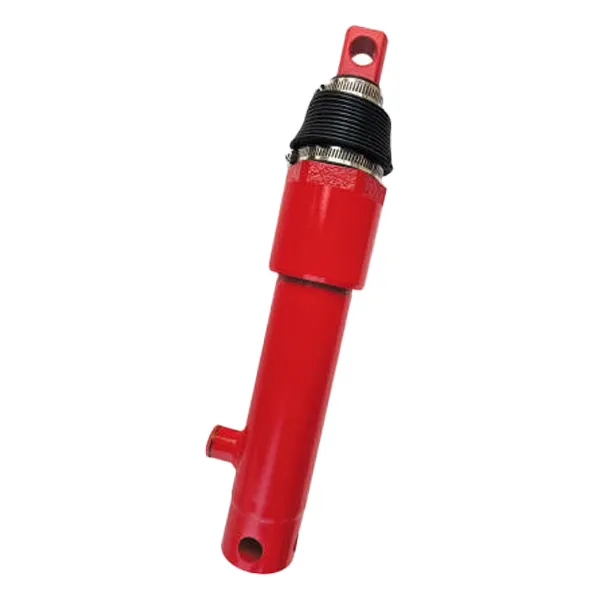
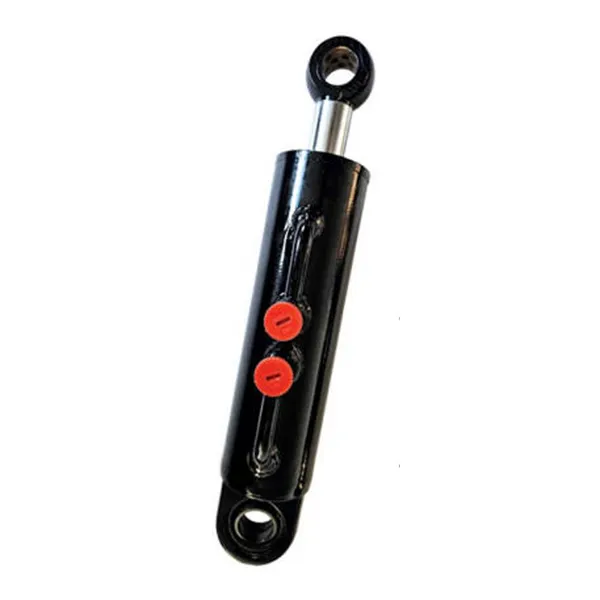
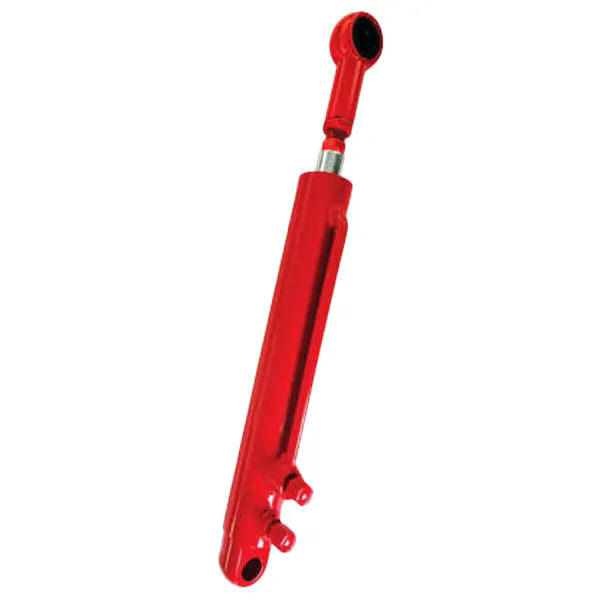
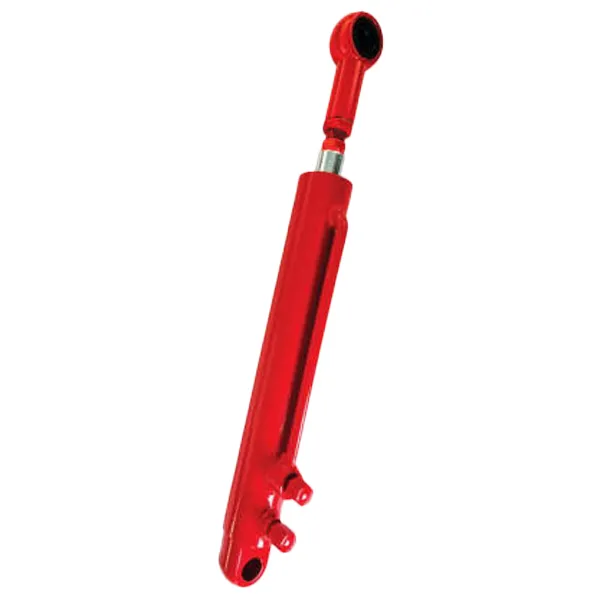
High-pressure applications demand precision, reliability, and durability from hydraulic systems. Choosing the right Hydraulic Cylinder is crucial to ensure consistent performance under extreme pressures. At Raydafon Technology Group Co.,Limited, we specialize in designing and manufacturing Hydraulic Cylinder solutions that meet the most rigorous industrial standards. Our commitment to quality and innovation enables our clients to optimize their systems while minimizing maintenance challenges.
Selecting a Hydraulic Cylinder for high-pressure use requires understanding technical specifications, materials, design considerations, and application constraints. Our factory emphasizes meticulous engineering, enabling us to offer cylinders that combine longevity, efficiency, and safety. This guide will help you navigate the selection process with clarity, offering professional insights into the key factors that influence performance and reliability.

Understanding the core aspects of Hydraulic Cylinders is the foundation of selecting the right solution for high-pressure applications. At Raydafon Technology Group Co.,Limited, our team emphasizes technical accuracy, ensuring our clients are informed about all critical specifications. Here are the primary considerations:
By thoroughly understanding these factors, our clients can match Hydraulic Cylinder specifications with operational requirements, ensuring safety and long-term performance.
Selecting a Hydraulic Cylinder without considering critical factors can result in system inefficiency, premature wear, or failure. Our factory focuses on integrating these essential factors into our design process. The following elements are indispensable for high-pressure applications:
Evaluating these factors ensures that our clients receive a Hydraulic Cylinder that delivers reliable performance and maximizes lifespan in high-pressure scenarios.
Material selection and engineering design are pivotal in determining the efficiency, safety, and durability of Hydraulic Cylinders. At Raydafon Technology Group Co.,Limited, our approach combines high-quality materials with advanced design principles. Consider these aspects:
Here is a table summarizing key parameters of our Hydraulic Cylinder models:
| Parameter | Specification | Notes |
| Operating Pressure | 2500-6000 PSI | Custom options available |
| Bore Size | 25-200 mm | Supports adjustable stroke length |
| Stroke Length | 50-3000 mm | Tailored to application needs |
| Rod Material | 42CrMo / EN8 Steel | Chrome plated, high wear resistance |
| Seal Type | Nitrile / Polyurethane | High-pressure, leak-proof |
| Mounting Options | Flange / Clevis / Trunnion | Multiple industrial configurations |
| Temperature Range | -40°C to 120°C | Extreme environment compatibility |
Our combination of high-quality materials, precise engineering, and rigorous testing guarantees long-term performance under demanding high-pressure conditions.

Even the most advanced Hydraulic Cylinder requires proper maintenance to deliver long-term performance. At Raydafon Technology Group Co.,Limited, our after-sales guidance ensures our clients maintain optimal operation. Essential maintenance practices include:
By following these practices, our clients can maximize the lifespan and efficiency of our Hydraulic Cylinder solutions.
Selecting the right Hydraulic Cylinder for high-pressure applications involves understanding specifications, evaluating key design factors, choosing durable materials, and implementing effective maintenance practices. At Raydafon Technology Group Co.,Limited, our Hydraulic Cylinder products are designed with precision, durability, and performance in mind. Our factory ensures each cylinder undergoes strict quality checks, enabling our clients to achieve operational efficiency and long-term reliability. Choosing our Hydraulic Cylinder allows you to optimize high-pressure systems while reducing downtime and maintenance costs.
Contact us today to discuss your high-pressure Hydraulic Cylinder needs. Our team is ready to provide tailored solutions and support, ensuring your systems operate at peak efficiency.
Q1: How do I determine the correct operating pressure for my Hydraulic Cylinder?
A1: Calculate the maximum system pressure and include a safety margin. Our factory recommends selecting a Hydraulic Cylinder rated slightly above the peak operating pressure to ensure safety and longevity.
Q2: What is the importance of rod material and surface treatment in high-pressure cylinders?
A2: Rod material and coatings like chrome plating provide corrosion and wear resistance. Our Hydraulic Cylinder uses hardened rods to minimize abrasion and extend service life under extreme pressure conditions.
Q3: How can I ensure my Hydraulic Cylinder remains leak-free?
A3: Use high-quality seals, maintain fluid cleanliness, and monitor pressure regularly. Our factory incorporates advanced polyurethane or nitrile seals designed for high-pressure applications to prevent leaks.
Q4: Which mounting styles are best for high-pressure applications?
A4: Flange, clevis, and trunnion mounts are common. Selection depends on load direction, alignment, and space constraints. Our Hydraulic Cylinder offers multiple mounting configurations to accommodate various industrial setups.
Q5: How often should maintenance checks be performed?
A5: Weekly visual inspections, periodic seal replacements, and fluid analysis are recommended. Our team provides detailed maintenance schedules to ensure our Hydraulic Cylinder maintains peak performance and reliability.
+86-574-87168065
Luotuo Industrial Area, Zhenhai District, Ningbo City, China