QR Code

Products
Contact Us


Fax
+86-574-87168065

Email

Address
Luotuo Industrial Area, Zhenhai District, Ningbo City, China


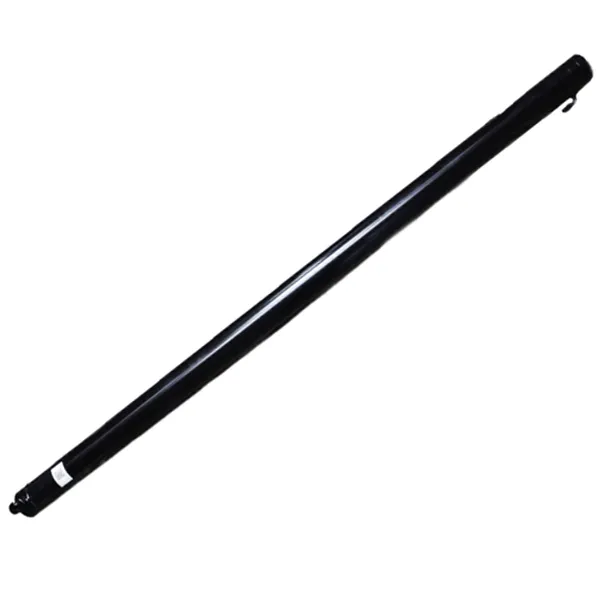
At the peak of harvest season, every minute counts. A modern combine harvester, with its complex array of hydraulic systems, relies on dozens of hydraulic cylinders to control everything from the header height to the reel speed and the unloading auger. When a Harvester Hydraulic Cylinder begins to perform poorly—responding sluggishly, leaking, or failing to hold position—the entire operation is compromised. The machine must be slowed down, or worse, stopped for repairs. In a season where weather windows are narrow and crop conditions change daily, the performance of these cylinders is not just a technical matter; it is a business-critical issue. But what factors determine whether a Harvester Hydraulic Cylinder will perform reliably day after day in the harsh conditions of the field, or whether it will become a source of frustration and downtime?
This article provides a comprehensive technical analysis of the factors that influence Harvester Hydraulic Cylinder performance in real-world agricultural operations. We will explore the impact of seal quality, the threat of contamination, the effects of load cycling, the importance of proper fluid maintenance, and the role of cylinder design and material selection. Drawing on our experience at Raydafon Technology Group Co.,Limited, we will examine how each of these factors contributes to the overall performance and longevity of the hydraulic cylinders that are essential for modern harvesting. Whether you are a farmer, a fleet manager, or a maintenance technician, this guide will help you understand the hidden forces that determine whether your hydraulic cylinders will carry you through the harvest or leave you stranded in the field.
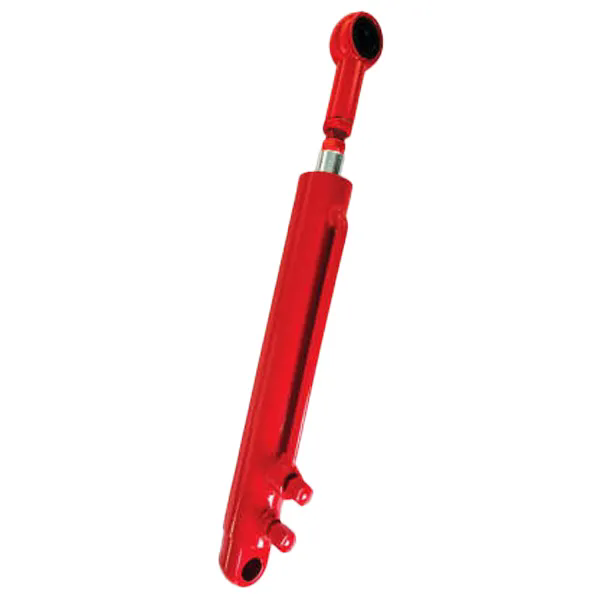
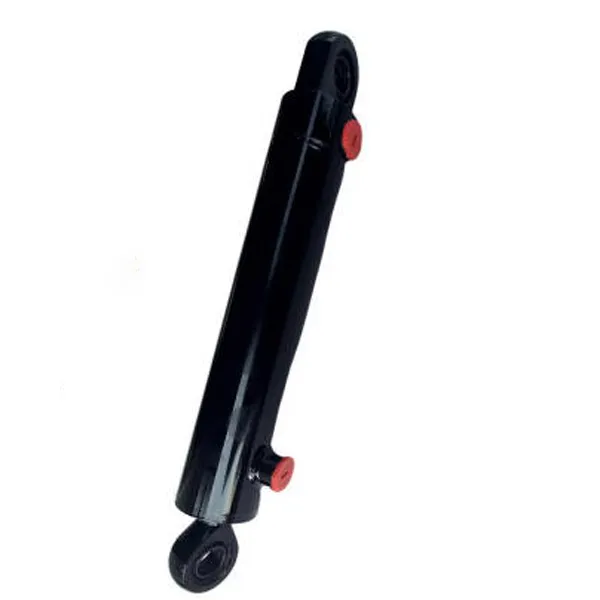
Imagine a Harvester Hydraulic Cylinder as a finely tuned piston moving within a polished tube. The sealing system is the critical interface that keeps the high-pressure hydraulic fluid where it belongs—on one side of the piston—and prevents it from leaking past. A seal failure is not just a leak; it is a loss of control. The primary seals in a hydraulic cylinder include the rod seal, which prevents fluid from leaking out along the piston rod; the piston seal, which separates the two pressure chambers; and the wiper seal, which scrapes dirt and moisture from the rod as it retracts. The performance of these seals is determined by their material composition, design, and the condition of the surfaces they contact. In a harvesting application, where the cylinder may be subjected to extreme temperatures, dust, and moisture, the seal material must be carefully selected. Polyurethane seals, for example, offer excellent abrasion resistance and are often preferred for rod seals in agricultural applications, while PTFE-based seals are chosen for their low friction in high-speed applications.
The condition of the cylinder bore and the piston rod surface is equally critical. A scratched or scored rod can cut the rod seal, leading to a rapid leak. Similarly, a rough bore can damage the piston seal and reduce the cylinder's efficiency. In our factory, we use a combination of honing and roller burnishing to achieve a surface finish of Ra 0.2-0.4 µm on the bore and a hard chrome plating (50-70 µm thick) on the rod. This combination provides a smooth, wear-resistant surface that extends the life of the seals. Lubrication is the invisible support system for the seals. A thin film of hydraulic fluid must be maintained between the seal and the rod to reduce friction and prevent wear. If the fluid is contaminated with water or particulates, it can break down this film, leading to increased wear and premature seal failure. A well-designed cylinder will have a lubrication groove that retains a small amount of fluid to ensure a continuous film. At Raydafon, we have engineered our Harvester Hydraulic Cylinder with an optimized seal groove design and surface finish that minimizes friction and maximizes seal life, ensuring reliable performance even under the most demanding field conditions.
Contamination is the silent enemy of any hydraulic system, but it is particularly damaging in agricultural applications where exposure to dirt, dust, and moisture is inevitable. A combine harvester operates in a cloud of dust and crop debris, and its hydraulic cylinders are constantly exposed to these contaminants. The most common and destructive form of contamination is particulate matter—sand, dust, and crop fragments. These particles can enter the cylinder through the rod seal, especially if the wiper seal is damaged or worn. Once inside, the particles act as an abrasive, grinding away at the piston rod, the cylinder bore, and the seals. This is often referred to as "wire-drawing" the rod, where the hard particles score the rod surface, leading to a permanent leak path. According to field data, a single grain of sand trapped between the seal and the rod can cause a leak within hours.
The most common entry point for contamination is the rod seal area, particularly when the wiper seal is compromised. A worn wiper seal allows dust to accumulate on the rod, which is then drawn into the cylinder during retraction. Another potential entry point is through breather filters on the hydraulic reservoir, which, if clogged or damaged, can allow atmospheric dust to enter the system. The contamination can lead to a rapid decline in cylinder performance, including erratic movement, leakage, and eventual complete failure. A study conducted on a fleet of harvesters showed that machines with a proactive contamination control program—including regular oil sampling, breather filter changes, and the use of high-quality seals—experienced 60% fewer cylinder failures than those without such a program. Our factory at Raydafon Technology Group Co.,Limited uses premium wiper seals with a double-lip design to maximize the removal of contaminants from the rod before they can enter the cylinder. Additionally, our Harvester Hydraulic Cylinder is designed with a protective dust cover option for extreme conditions, providing an additional layer of defense against contamination.
Water contamination is another significant threat. Water can enter the hydraulic system through condensation or direct exposure to rain or wash-down. Water in the hydraulic fluid can cause corrosion of the cylinder bore and rod, as well as the seals. It also reduces the lubricity of the fluid, increasing wear. The ideal solution is to use a hydraulic fluid with a good demulsibility rating, allowing water to separate and be drained from the reservoir. Regular sampling and analysis of the hydraulic fluid can detect the presence of water and particles, allowing corrective action to be taken before they can cause significant damage. Regular oil analysis is a cornerstone of our preventive maintenance recommendations for Harvester Hydraulic Cylinder.
Harvesting is not a steady-state operation. The loads on a Harvester Hydraulic Cylinder are constantly changing as the machine moves through the field. The header must be raised and lowered, the reel speed must be adjusted, and the auger must be extended. Each of these movements creates a load cycle: the cylinder extends, holds position, and then retracts. Over the course of a harvest season, a single cylinder may cycle thousands of times, from a few meters to its full stroke. This is known as fatigue loading, and it is a primary cause of cylinder failure over time.
To understand the impact of load cycling, we must consider the stresses on the components. The piston rod is subjected to tensile and compressive stresses as it extends and retracts. The seals experience pressure and friction. The metal components, particularly the piston rod and the cylinder head, are subjected to fatigue stress from these cycles. Over time, micro-cracks can develop, leading to failure. The cylinder's ability to withstand load cycling depends on its design and the materials used. A larger piston rod diameter, for example, provides greater resistance to buckling under compressive load. A double-acting cylinder, which uses hydraulic pressure for both extension and retraction, provides more controlled movement and can better handle shock loads than a single-acting cylinder. In addition, the cylinder's mounting style can affect its ability to handle side loads, which are common in harvesting applications. The design and material of the piston rod are also critical. High-strength steel with good fatigue properties, such as 42CrMo4 or 4140, is commonly used in high-cycle applications. This is the material we specify in our Harvester Hydraulic Cylinder at Raydafon.
To determine the expected life of a cylinder under cyclic loading, engineers use calculations based on the stress-life (S-N) approach or fracture mechanics. The endurance limit of the material is a key factor. The cylinder's load path must be designed to minimize stress concentrations, which can act as initiation points for fatigue cracks. The use of fillet radii, rather than sharp corners, at the junctions of the cylinder head and the tie rods (or the flange) is essential. The piston rod must be designed to withstand the maximum expected side load without buckling. In real-world conditions, a well-designed Harvester Hydraulic Cylinder can withstand millions of cycles. A cylinder that fails prematurely due to fatigue is often a result of a material defect, a design flaw (such as a stress riser), or an unexpected overload. The following table compares the fatigue performance of different piston rod materials under typical harvesting loads.
| Material | Yield Strength (MPa) | Endurance Limit (MPa) | Typical Fatigue Life (Cycles) | Application |
| C45 (Medium Carbon Steel) | 355 | 180 | 500,000 | Light-duty harvesters |
| 42CrMo4 (Alloy Steel) | 900 | 500 | 2,000,000 | Heavy-duty harvesters, combines |
| Induction-Hardened 42CrMo4 | 1100 | 600 | 3,000,000+ | High-cycle, heavy-load harvesters |
Hydraulic fluid is the lifeblood of the system, but it is often the most neglected component. The fluid serves multiple critical functions: it transmits power, lubricates moving parts, provides corrosion protection, and helps to cool the system. The viscosity and cleanliness of the hydraulic fluid have a direct impact on the performance of the Harvester Hydraulic Cylinder. If the fluid is too viscous, the cylinder will move slowly and the system will be inefficient. If the fluid is too thin, the internal leakage in the cylinder will increase, leading to a loss of power and positioning accuracy. The fluid's viscosity index, which indicates how much its viscosity changes with temperature, is particularly important in harvesting applications, where the system may operate in a wide range of temperatures.
Regular fluid maintenance is essential for cylinder longevity. The fluid must be kept clean and free of contaminants, and it must be replaced at the manufacturer's recommended intervals. The use of a high-quality filter, both in the return line and the suction line, is critical to keeping the system clean. In addition to mechanical filtration, the fluid's chemical properties must be monitored. The fluid's anti-wear additives, corrosion inhibitors, and oxidation stability are essential for protecting the cylinder and the rest of the system. If the fluid is allowed to become oxidized, it can form sludge and varnish, which can clog valves and damage seals. If the additives are depleted, the fluid will not provide the necessary protection against wear and corrosion. The condition of the hydraulic fluid should be tested periodically for viscosity, water content, and particle count. This is the only way to ensure that the fluid is performing as required. At Raydafon Technology Group Co.,Limited, we recommend a fluid analysis program for all customers with high-use harvesters, providing a simple and effective way to monitor the health of the hydraulic system and predict the need for oil changes or other maintenance.
A common misconception is that hydraulic fluid only needs to be changed when it looks dirty. In practice, the fluid's performance is often degraded before any visible change occurs. The degradation of the additive package can be measured through oil analysis. For example, a high acid number indicates that the oil is oxidizing and should be changed. Regular fluid analysis provides a clear picture of the fluid's health and allows for planned maintenance, preventing unexpected cylinder failures. The following table summarizes the recommended fluid maintenance schedule for a Harvester Hydraulic Cylinder used in typical field operations.
| Maintenance Task | Frequency | Notes |
| Fluid Level Check | Daily | Check before start-up; top up if necessary |
| Visual Fluid Inspection | Weekly | Check for discoloration, foam, or water |
| Fluid Sample Analysis | Every 250 hours | Test for viscosity, water, particle count |
| Filter Change | Every 500 hours | Replace return line and suction line filters |
| Complete Fluid Change | Every 1000 hours or annually | Drain and replace with fresh, clean oil |
To select the right Harvester Hydraulic Cylinder for a given application, engineers and equipment managers must carefully evaluate the key technical specifications. These specifications define the cylinder's physical capabilities and its compatibility with the machine's hydraulic system. The most fundamental specification is the cylinder's bore size (the inner diameter of the cylinder tube), which determines the theoretical force the cylinder can generate at a given pressure. A larger bore cylinder can exert more force, but it may be slower and require more fluid volume. The piston rod diameter affects the cylinder's buckling resistance and its speed on the retract stroke, as the rod reduces the effective area of the piston.
The cylinder's stroke length must be matched to the required range of motion of the implement it is controlling. The operating pressure, typically measured in bar or PSI, is determined by the hydraulic system of the machine. The cylinder must be rated to withstand the maximum pressure the system can produce. Seals must be specified to maintain their integrity at the operating pressure and temperature. The cylinder's mounting style (e.g., pin mount, flange mount, trunnion mount) determines how it is attached to the machine, and the mounting must be chosen to match the loads and stress path.
In addition to the core specifications, the engineer must consider the presence of any specialized features, such as a built-in cushioning device, which controls the cylinder's speed at the end of its stroke, or a lock valve, which prevents the cylinder from drifting under load. The material of the cylinder tube and the piston rod are critical for fatigue life and corrosion resistance. The table below provides a comparison of typical Harvester Hydraulic Cylinder specifications for different machine types, showing how the requirements vary by application.
| Specification | Combine Header Lift | Combine Reel Drive | Forage Harvester Spout |
| Typical Bore Size (mm) | 75-100 | 40-63 | 50-80 |
| Rod Diameter (mm) | 40-56 | 22-36 | 28-45 |
| Stroke Length (mm) | 300-600 | 100-300 | 200-500 |
| Working Pressure (bar) | 180-210 | 140-180 | 160-200 |
| Rod Material | 42CrMo4 Induction Hardened | 42CrMo4 | 42CrMo4 |
| Tube Material | Seamless Steel, Honed | Seamless Steel, Honed | Seamless Steel, Honed |
| Mounting Type | Pin Mount | Flange or Pin Mount | Pin Mount |
| Seal Type | Polyurethane Rod Seal, PTFE Piston Seal | Polyurethane Rod Seal, PTFE Piston Seal | Polyurethane Rod Seal, PTFE Piston Seal |
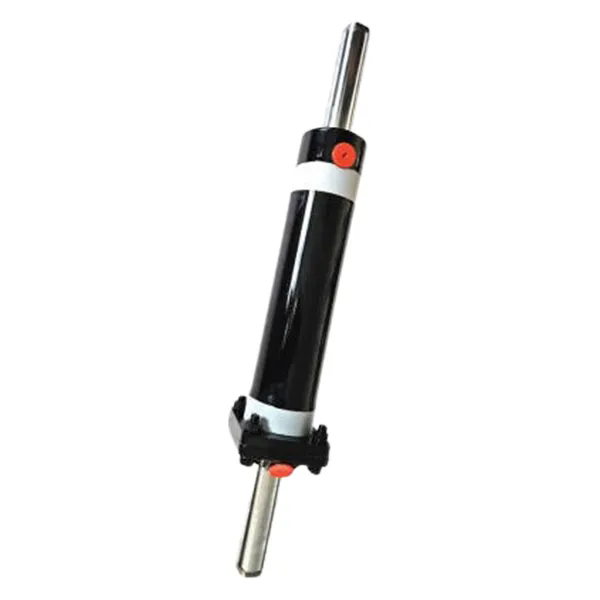
At Raydafon, our Harvester Hydraulic Cylinder is designed to meet the demanding requirements of agricultural field operations. We offer a full range of bore sizes, stroke lengths, and mounting styles to accommodate the specific needs of combines, forage harvesters, and other harvesting equipment. Our cylinders feature induction-hardened 42CrMo4 piston rods, providing exceptional strength and resistance to fatigue and impact. We use high-quality polyurethane rod seals and PTFE piston seals, ensuring a reliable seal over a wide range of temperatures and pressures. Every cylinder is tested to ensure it meets our rigorous quality standards before it leaves our factory.
Question 1: How often should the seals in a harvester hydraulic cylinder be replaced?
Answer: The seal replacement interval for a Harvester Hydraulic Cylinder depends on several factors, including the hours of operation, the operating environment, and the condition of the hydraulic fluid. As a general guideline, we recommend inspecting the cylinder seals at the beginning of each harvest season. If the cylinder shows any signs of leakage or if the rod appears scored or scratched, the seals should be replaced. In practice, many harvesters require seal replacement every 1,500 to 2,500 operating hours. Our factory at Raydafon Technology Group Co.,Limited provides seal kits and detailed installation instructions for all our cylinders. A regular inspection program is the best way to determine the correct interval for your specific operating conditions.
Question 2: What is the most common cause of internal leakage in a hydraulic cylinder?
Answer: The most common cause of internal leakage in a Harvester Hydraulic Cylinder is a worn or damaged piston seal. The piston seal separates the two pressure chambers of the cylinder. When the seal wears, hydraulic fluid can leak from the high-pressure side to the low-pressure side, resulting in a loss of power and speed. This is often caused by contaminated hydraulic fluid, which acts as an abrasive and wears down the seal. In many cases, the cylinder will still appear to be leak-free externally, but the internal leakage will manifest as a slow, creeping movement of the cylinder rod. The problem can be detected through a simple leak-down test, and the solution is to replace the piston seal and ensure the hydraulic fluid is clean.
Question 3: How can I prevent moisture from entering my hydraulic cylinder?
Answer: Moisture can enter a Harvester Hydraulic Cylinder through several pathways. The most common pathway is through the rod seal and wiper seal during humid conditions. The second pathway is through the breather filter on the hydraulic reservoir. To prevent moisture ingress, ensure the breather filter is clean and functioning correctly. A desiccant breather can be used to actively remove moisture from the air entering the reservoir. Also, regularly check the cylinder for any signs of water in the oil, such as a milky appearance. If water is present, drain and replace the fluid. Using a high-quality hydraulic fluid with good demulsibility will help to separate water from the oil, allowing it to be drained from the reservoir. In addition, avoid using high-pressure wash-down on the cylinder seals, as this can force water past the seals.
Question 4: What does the "stroke length" specification mean for a hydraulic cylinder?
Answer: The stroke length is the maximum distance the piston rod can travel from its fully retracted position to its fully extended position. This specification determines the range of motion that the cylinder can provide. When selecting a Harvester Hydraulic Cylinder, the stroke length must be matched to the required movement of the implement. For example, the header lift cylinder on a combine must have a stroke that is long enough to allow the header to be raised to the full transport height. If the stroke length is too short, the implement will not move through its full range of motion. If it is too long, the cylinder may bottom out or extend beyond the required range. Our factory at Raydafon Technology Group Co.,Limited offers a wide range of stroke lengths to suit various harvesting applications.
Question 5: Can a harvester hydraulic cylinder be rebuilt, or must it be replaced?
Answer: Yes, a Harvester Hydraulic Cylinder can typically be rebuilt. The rebuild process involves disassembling the cylinder, inspecting all components, and replacing any worn or damaged parts. The most common parts replaced during a rebuild are the seals (rod seal, piston seal, wiper seal), the rod (if scored or bent), and the cylinder tube (if damaged). Rebuilding a cylinder is often significantly less expensive than purchasing a new cylinder and is a common practice for extending the life of the equipment. Our factory at Raydafon Technology Group Co.,Limited offers rebuild kits and rebuild services for our Harvester Hydraulic Cylinder.
The performance of a Harvester Hydraulic Cylinder in field operations is determined by a complex interplay of factors: seal quality, contamination control, load management, fluid maintenance, and design specifications. Each factor plays a critical role in ensuring the cylinder provides reliable, efficient, and long-lasting service in the demanding environment of a working harvest. By understanding these factors, engineers, equipment managers, and operators can make informed decisions to maximize the performance and longevity of their hydraulic equipment. A comprehensive maintenance program, proactive contamination control, and the selection of high-quality components are essential to achieving optimal performance.
At Raydafon Technology Group Co.,Limited, we have over a decade of experience in manufacturing high-quality hydraulic components for the agricultural industry. Our Harvester Hydraulic Cylinder is designed and manufactured to meet the highest standards of performance and reliability, using premium materials, precision machining, and rigorous quality control. We are committed to providing our customers with the best possible solutions for their hydraulic needs. If you have any questions about selecting or maintaining a hydraulic cylinder for your harvesting equipment, please contact our expert team.
Contact Raydafon Technology Group Co.,Limited today to learn more about our Harvester Hydraulic Cylinder and how it can improve the reliability and efficiency of your harvesting operations.
+86-574-87168065
Luotuo Industrial Area, Zhenhai District, Ningbo City, China