QR Code

Products
Contact Us


Fax
+86-574-87168065

Email

Address
Luotuo Industrial Area, Zhenhai District, Ningbo City, China


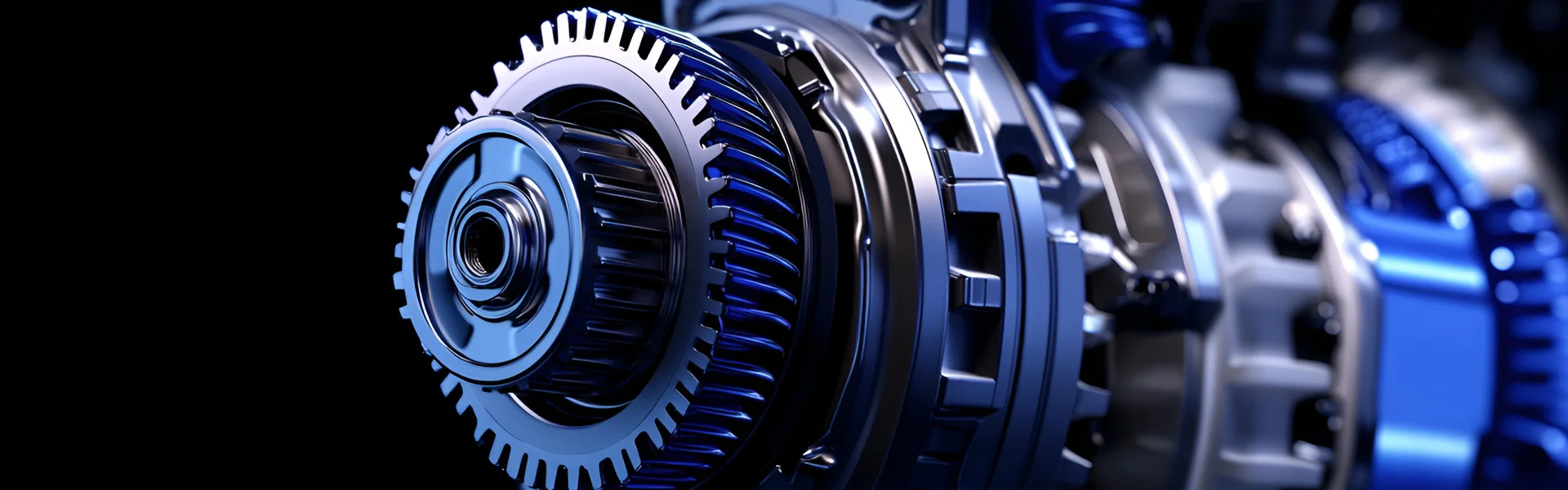
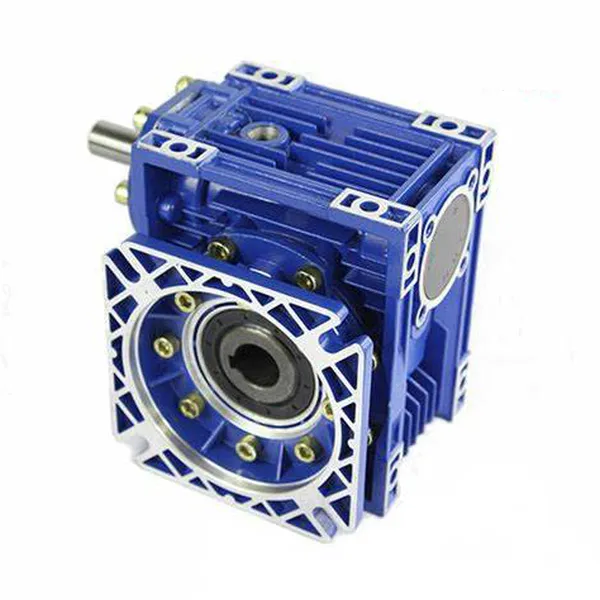
In industrial transmission systems that run without interruption, reliability is not an option but a requirement. Continuous operation places higher thermal, mechanical, and lubrication demands on every component, especially on a Worm Gearbox, which inherently operates under sliding friction rather than rolling contact. From material selection to heat dissipation, every design and usage detail directly affects long-term performance.
At Raydafon Technology Group Co.,Limited, our focus has always been on engineering solutions that support stable output, predictable maintenance cycles, and extended service life. Based on our factory experience and long-term field feedback, this article explains how to improve the service life of a Worm Gearbox during continuous operation through design optimization, correct parameter selection, lubrication management, and operational best practices.
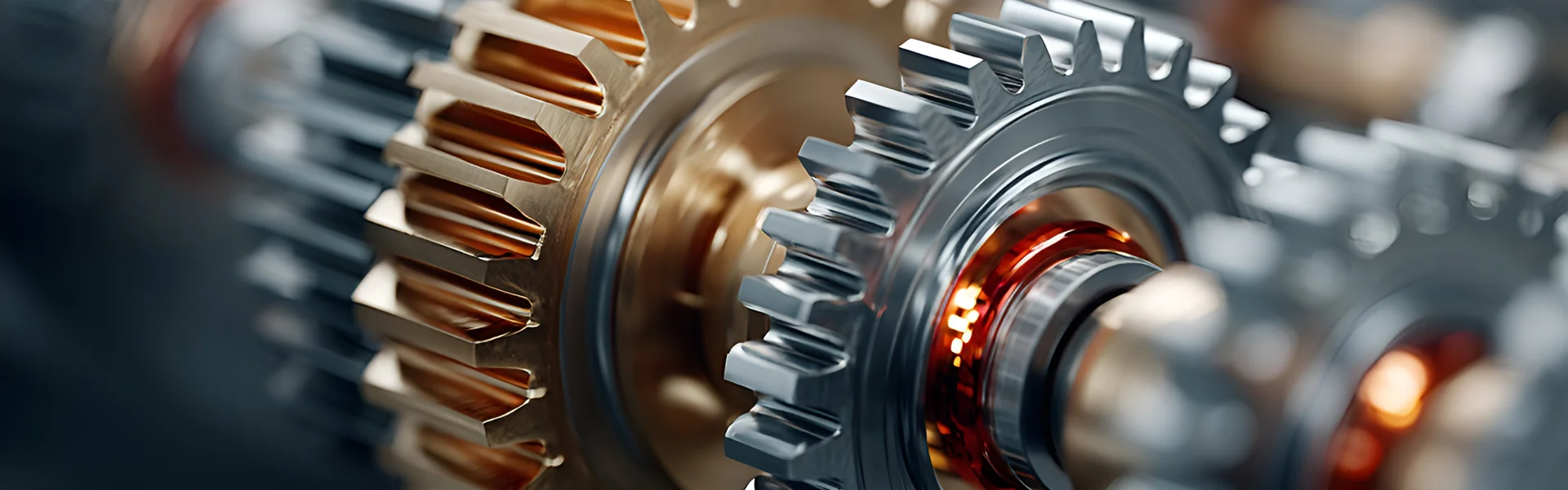
Continuous operation represents one of the most demanding working conditions for any mechanical transmission system. When a Worm Gearbox operates without interruption for extended periods, every internal component is exposed to cumulative mechanical stress, thermal load, and lubrication degradation. Unlike intermittent-duty equipment, continuous-duty systems do not benefit from cooling pauses or load relief cycles. This makes design margin, material choice, and operating discipline critical to long-term reliability.
From our factory experience at Raydafon Technology Group Co.,Limited, continuous operation is not simply a longer version of standard use. It is a fundamentally different operating environment that requires specific engineering consideration from the earliest design stage. Understanding why continuous operation is challenging is the first step toward improving service life.
A Worm Gearbox transmits power through sliding contact between the worm shaft and the worm wheel. This sliding motion is very different from the rolling contact found in helical or spur gear systems. Sliding contact inherently generates more friction, and friction is the primary source of heat and wear during continuous operation.
Under non-stop conditions, this friction never fully dissipates. Heat accumulates within the housing, oil viscosity gradually changes, and surface wear progresses steadily. Over time, even small inefficiencies in surface finish or lubrication quality can result in measurable performance decline.
At Raydafon Technology Group Co.,Limited, our design approach acknowledges this inherent friction characteristic and compensates through material pairing, surface treatment, and thermal management rather than attempting to eliminate friction entirely.
In continuous-duty applications, the load applied to a Worm Gearbox is often stable but persistent. Unlike short-term peak loads, continuous torque creates a fatigue-based failure mechanism. Components are not overloaded in a single event; instead, they gradually approach their endurance limits.
This is particularly important in conveyor systems, automated production lines, lifting mechanisms, and material handling equipment, where torque demand remains constant for hours or days.
| Load Condition | Long-Term Impact on Service Life |
| Rated Load Continuous Duty | Predictable wear with controlled maintenance cycle |
| Overrated Load Continuous Duty | Accelerated tooth wear and bearing fatigue |
| Fluctuating Load Continuous Duty | Uneven wear and increased vibration risk |
Our factory selection guidelines always recommend maintaining sufficient service factor for continuous operation. This ensures the Worm Gearbox operates within a stable stress range rather than at the edge of its mechanical limits.
Speed plays a decisive role in continuous operation. Higher input speeds increase sliding velocity at the contact interface, which directly affects oil film thickness and temperature rise. In continuous-duty scenarios, speed-related heat generation becomes cumulative rather than transient.
Low-speed operation under heavy load presents a different challenge. At lower speeds, full hydrodynamic lubrication may not form consistently, pushing the system into boundary lubrication where metal-to-metal contact risk increases.
At Raydafon Technology Group Co.,Limited, our factory evaluates speed and torque as a combined parameter rather than independent values, ensuring the Worm Gearbox remains within its optimal lubrication and thermal operating window.
Failures in continuous-duty systems rarely occur suddenly. Instead, they follow identifiable progression paths that begin with subtle performance changes. Understanding these pathways allows preventive measures to be applied long before failure occurs.
| Failure Indicator | Early Warning Sign | Underlying Cause |
| Rising Operating Temperature | Stable but increasing heat trend | Friction accumulation or oil degradation |
| Increased Noise Level | Low-frequency humming | Surface wear or alignment shift |
| Oil Discoloration | Darker oil appearance | Oxidation and contamination |
Our factory emphasizes condition awareness during continuous operation, allowing users to extend the service life of each Worm Gearbox by responding to early-stage indicators rather than reacting to failure.
Many users assume that continuous operation challenges can be solved solely through better maintenance. In reality, the foundation of long service life is established at the design stage. Housing rigidity, internal clearance, material pairing, and lubrication pathways all determine how well a Worm Gearbox tolerates uninterrupted use.
At Raydafon, our design philosophy considers continuous operation as a primary condition rather than an exception. Our factory integrates conservative load margins, optimized internal geometry, and thermal stability into every Worm Gearbox intended for long duty cycles.
By addressing these challenges systematically, continuous operation becomes a predictable engineering condition rather than a source of uncertainty. This understanding sets the stage for material optimization, lubrication strategy, and thermal management discussed in the following sections.
In continuous operation, the service life of a Worm Gearbox is largely determined long before it is installed or put into use. Material selection and manufacturing accuracy define how effectively internal components resist wear, manage heat, and maintain stable meshing conditions over extended periods. When a gearbox operates continuously, even small deficiencies in material quality or machining precision are amplified through time.
From our factory perspective at Raydafon Technology Group Co.,Limited, material engineering and manufacturing control are not isolated processes. They function together as a unified system that directly influences durability, efficiency, and operational predictability in long-term applications.
Unlike gear systems that rely primarily on rolling contact, a Worm Gearbox depends on sliding interaction between the worm and the worm wheel. This makes material compatibility far more important than absolute strength alone. The goal is not only to withstand load but also to manage friction in a controlled and predictable manner.
A common misconception is that harder materials always lead to longer service life. In reality, improper hardness matching can increase friction, accelerate wear, and raise operating temperature under continuous load.
At Raydafon, our factory selects hardened alloy steel for the worm and carefully specified bronze alloys for the worm wheel. This combination allows controlled sacrificial wear on the wheel while preserving overall transmission stability.
The worm wheel is often the primary wear component in a Worm Gearbox. In continuous operation, its material determines how smoothly sliding contact is maintained and how effectively heat is dissipated from the contact zone.
Different bronze formulations provide distinct performance characteristics. Selecting the appropriate alloy depends on load intensity, speed, and expected duty cycle.
| Worm Wheel Material | Key Advantage | Typical Application |
| Tin Bronze | Stable wear behavior | Medium load continuous duty |
| Aluminum Bronze | High load capacity | Heavy-duty industrial systems |
| Special Copper Alloy | Improved heat dissipation | High-speed continuous operation |
Our factory evaluates these material options during the design stage to ensure the Worm Gearbox aligns with the customer’s real operating conditions rather than theoretical load limits.
Manufacturing accuracy defines how evenly load is distributed across gear teeth and how consistently lubrication is maintained during rotation. In continuous operation, poor accuracy does not cause immediate failure but leads to uneven wear patterns that shorten service life.
Precision in gear cutting, grinding, and assembly ensures stable meshing geometry. Even minor deviations in tooth profile or center distance can result in localized stress concentration that worsens over time.
At Raydafon Technology Group Co.,Limited, our factory implements strict machining control across all critical dimensions. This allows each Worm Gearbox to operate smoothly under constant load without developing abnormal wear patterns.
Surface finish directly affects friction behavior during the initial run-in phase and throughout the service life of a Worm Gearbox. In continuous operation, rough surfaces increase friction and heat generation, while excessively polished surfaces may struggle to retain lubricant.
An optimized surface finish balances oil retention with smooth sliding contact. This balance becomes increasingly important as operating hours accumulate.
| Surface Parameter | Effect on Operation |
| Low Roughness | Reduced friction and noise |
| Moderate Texture | Enhanced lubricant retention |
| Uniform Finish | Predictable wear progression |
Our factory maintains surface finish standards that support stable operation across long duty cycles, helping each Worm Gearbox retain efficiency and reliability.
Even the best materials and machining processes can be undermined by improper assembly. In continuous operation, assembly errors manifest as long-term reliability issues rather than immediate faults.
Critical assembly factors include bearing preload, shaft alignment, and seal installation. When these elements are controlled, internal stresses remain balanced throughout operation.
Raydafon Technology Group Co.,Limited applies comprehensive inspection protocols in our factory, ensuring that every Worm Gearbox meets performance expectations under continuous-duty conditions. This systematic approach transforms material quality and manufacturing accuracy into tangible service life benefits for end users.
By aligning material science with precision manufacturing, continuous operation becomes a manageable engineering condition rather than a limiting factor. This foundation supports effective lubrication strategies and thermal control, which are addressed in the next section.
Lubrication is the most influential factor in extending service life during continuous operation. Unlike intermittent systems, oil in a Worm Gearbox must perform under constant shear and elevated temperatures.
For continuous duty, extreme-pressure gear oils with strong thermal stability are essential. Our field experience confirms that incorrect lubricant selection shortens service intervals significantly.
Adequate oil volume ensures effective heat removal. In our factory design, oil bath levels are calculated based on gear size, speed, and housing geometry.
| Lubrication Aspect | Recommended Practice |
| Oil Change Interval | Based on operating temperature and load |
| Oil Level Inspection | Regular during continuous operation |
| Contamination Control | Sealed housing and filtered breather |
Raydafon Technology Group Co.,Limited integrates lubrication access points into each Worm Gearbox design, enabling consistent maintenance without production downtime.
Heat is the primary enemy of continuous operation. Excessive temperature accelerates lubricant breakdown, material fatigue, and seal aging.
Our factory applies multiple thermal management approaches depending on application severity.
| Cooling Method | Application Scenario |
| Natural Air Cooling | Moderate load continuous duty |
| External Fan | High ambient temperature environments |
| Oil Cooler Integration | Heavy load and high duty cycle |
By controlling operating temperature, Raydafon Technology Group Co.,Limited ensures that each Worm Gearbox maintains stable performance throughout its designed service life.
In continuous operation, even the most carefully engineered Worm Gearbox will only reach its designed service life if it is operated and maintained correctly. Operational discipline and maintenance strategy are not secondary considerations; they are decisive factors that determine whether a gearbox performs reliably for years or experiences premature degradation. Unlike short-duty or intermittent systems, continuous-duty applications expose weaknesses gradually, making daily practices critically important.
From long-term field experience at Raydafon Technology Group Co.,Limited, we have consistently observed that operational behavior and maintenance quality often have a greater impact on service life than load rating alone. Our factory designs each Worm Gearbox with durability in mind, but real-world longevity is achieved through correct installation, stable operation, and proactive monitoring.
Installation is the first operational step and frequently the most underestimated. Errors introduced during installation are rarely obvious at startup but manifest later as vibration, uneven wear, or temperature rise during continuous operation. Once a Worm Gearbox begins operating under constant load, these initial inaccuracies are amplified over time.
A stable installation ensures that internal components operate under the conditions assumed during design. This includes correct shaft alignment, rigid mounting, and appropriate torque transfer without external stress.
| Installation Factor | Potential Long-Term Impact |
| Poor Shaft Alignment | Accelerated bearing and gear wear |
| Flexible or Uneven Base | Housing distortion and noise increase |
| Improper Coupling Fit | Vibration and seal damage |
At Raydafon Technology Group Co.,Limited, our factory provides installation guidance based on real operating scenarios, helping ensure each Worm Gearbox starts its service life under optimal mechanical conditions.
Continuous operation demands stability. Frequent starts, stops, or load fluctuations introduce transient stresses that accelerate wear even when nominal load remains within limits. Stable operating conditions allow internal surfaces to establish predictable wear patterns and lubrication regimes.
From our factory observations, systems that maintain steady speed and torque experience significantly longer service life compared to those exposed to repeated transient conditions.
Operating stability allows the Worm Gearbox to function within its designed thermal and lubrication balance, minimizing stress accumulation across long operating hours.
In continuous-duty applications, failures rarely occur without warning. Subtle changes in temperature, noise, or vibration often precede mechanical issues. Condition monitoring transforms maintenance from a reactive task into a predictive process.
Our factory recommends integrating simple but consistent monitoring practices into daily operations. These observations require minimal downtime but provide valuable insight into gearbox health.
| Monitoring Parameter | Indication | Possible Cause |
| Temperature Increase | Gradual rise over time | Lubrication degradation or friction increase |
| Noise Change | Low-frequency humming | Gear surface wear or misalignment |
| Oil Appearance | Darker or cloudy oil | Oxidation or contamination |
Raydafon Technology Group Co.,Limited designs each Worm Gearbox with accessible inspection points, allowing users to implement effective monitoring without interrupting production.
Preventive maintenance focuses on addressing wear mechanisms before they reach critical levels. In continuous operation, maintenance intervals should be based on operating conditions rather than fixed schedules alone.
Lubrication management is central to preventive maintenance, but it is not the only factor. Seal condition, fastener integrity, and mounting stability also require periodic attention.
| Maintenance Task | Recommended Frequency |
| Oil Condition Check | Regular during continuous operation |
| Seal Inspection | During scheduled downtime |
| Alignment Verification | After long operating cycles |
Our factory supports customers with maintenance recommendations tailored to their specific operating environment, ensuring that each Worm Gearbox remains within optimal performance parameters.
Operator behavior directly influences service life. Even well-designed systems can suffer premature wear if abnormal conditions are ignored or misinterpreted. Continuous operation requires operators to recognize early signs of deviation and respond appropriately.
Training operators to understand normal operating behavior allows issues to be addressed before they escalate into mechanical damage.
At Raydafon Technology Group Co.,Limited, our factory emphasizes user education as part of long-term reliability. When operational awareness aligns with robust engineering, the Worm Gearbox delivers consistent performance across extended service cycles.
Maximizing durability is not only a technical goal but also an economic one. Continuous operation places a premium on predictability, reduced downtime, and controlled maintenance costs. A well-managed Worm Gearbox supports stable production planning and lowers total ownership cost.
Our factory experience shows that customers who adopt structured operational and maintenance practices achieve longer replacement intervals and improved operational confidence.
By combining correct installation, stable operation, consistent monitoring, and preventive maintenance, continuous-duty systems transform from high-risk assets into reliable production components. Raydafon Technology Group Co.,Limited remains committed to supporting this lifecycle approach, helping customers extract maximum value from every Worm Gearbox delivered by our factory.

Improving the service life of a Worm Gearbox in continuous operation requires a systematic approach that integrates material science, precision manufacturing, lubrication strategy, thermal control, and disciplined operation. When these factors are addressed collectively, long-term stability becomes predictable rather than reactive.
Raydafon Technology Group Co.,Limited applies this integrated philosophy from design to delivery. Our commitment to quality, combined with practical field experience, ensures that our solutions perform reliably under continuous-duty conditions. If long-term operational stability is a priority, selecting the right transmission partner makes all the difference.
Contact our team today to discuss your operating conditions and let our factory provide a tailored Worm Gearbox solution designed for extended service life and dependable performance.
Q1: How to Improve The Service Life of a Worm Gearbox in Continuous Operation?
Improving service life starts with proper load selection, high-quality materials, correct lubrication, effective thermal control, and disciplined maintenance routines working together.
Q2: How to Improve The Service Life of a Worm Gearbox in Continuous Operation under heavy loads?
Heavy-load applications require reinforced gear materials, higher-viscosity lubricants, optimized cooling, and conservative torque margins to prevent accelerated wear.
Q3: How to Improve The Service Life of a Worm Gearbox in Continuous Operation at high temperatures?
Managing temperature through finned housings, external cooling, and oxidation-resistant lubricants helps stabilize internal conditions and extend component life.
Q4: How to Improve The Service Life of a Worm Gearbox in Continuous Operation with limited maintenance time?
Selecting a gearbox with optimized lubrication systems, sealed housings, and easy inspection points minimizes maintenance frequency while maintaining reliability.
Q5: How to Improve The Service Life of a Worm Gearbox in Continuous Operation for industrial automation?
Precision manufacturing, stable alignment, consistent monitoring, and application-specific customization ensure smooth, long-term performance in automated systems.
+86-574-87168065
Luotuo Industrial Area, Zhenhai District, Ningbo City, China