QR Code

Products
Contact Us


Fax
+86-574-87168065

Email

Address
Luotuo Industrial Area, Zhenhai District, Ningbo City, China


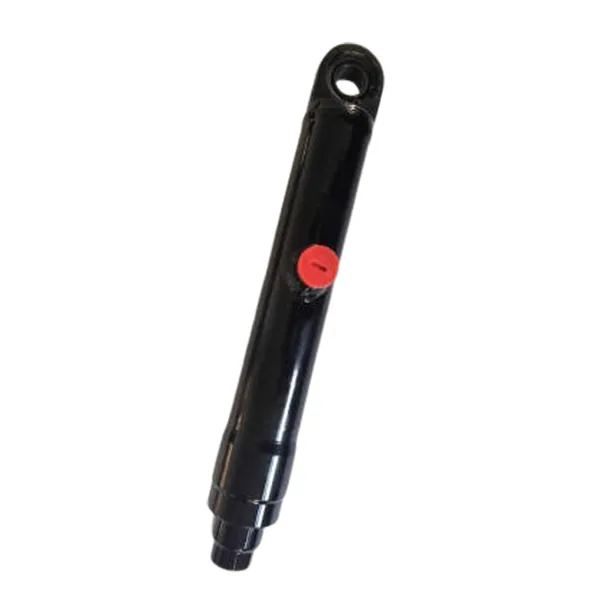
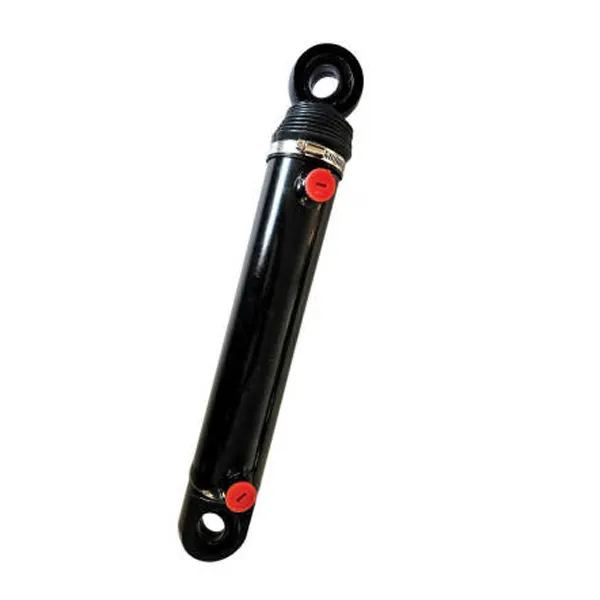
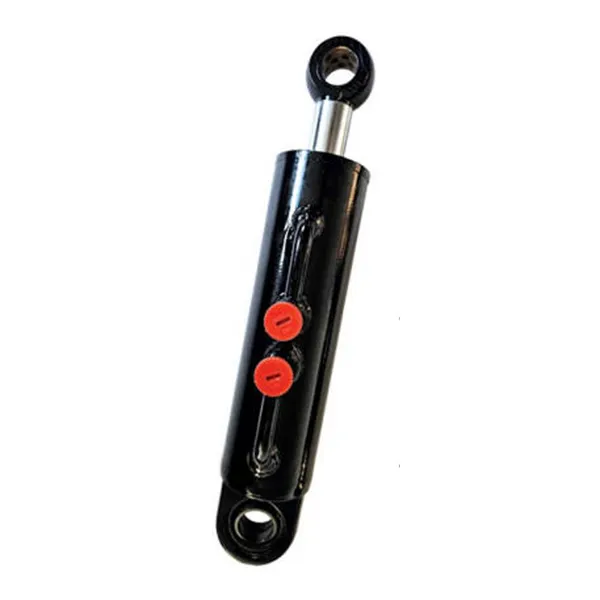
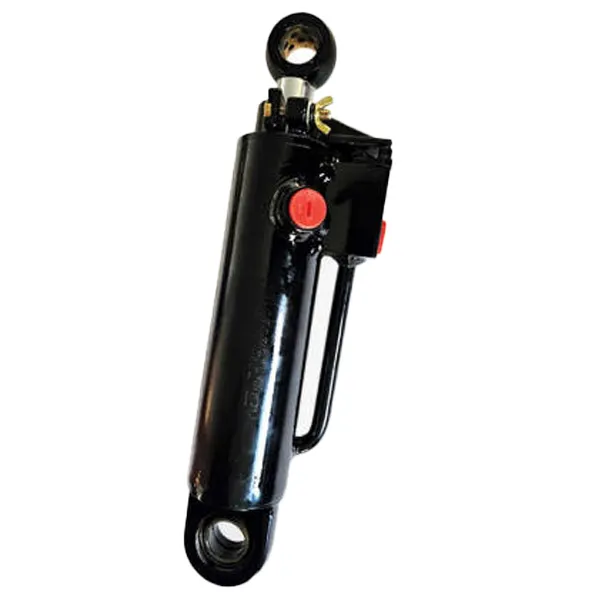
For a tractor manufacturer or a spare parts distributor, the steering system is one of the most critical subsystems on the machine. A tractor that cannot steer precisely is not just inefficient; it is unsafe, especially when operating on slopes, in wet fields, or near livestock and workers. The component at the heart of modern tractor steering is the Steering Hydraulic Cylinder. It converts hydraulic pressure into the linear force that turns the front wheels, and it does so with a level of power and precision that mechanical steering simply cannot match. When you are sourcing a Steering Hydraulic Cylinder for agricultural tractors, you are not just buying a part. You are making a decision that affects the reliability of every tractor you build or service.
The purpose of this guide is to help procurement engineers, tractor manufacturers, and spare parts buyers understand how a Steering Hydraulic Cylinder is used in agricultural tractors and how to select the right one for their application. We will cover the working principle, the different steering configurations, the key specifications you need to specify, the environmental and load conditions that affect durability, and the criteria for evaluating a supplier. We will also provide detailed product specifications from our factory at Raydafon Technology Group Co.,Limited. Whether you are designing a new tractor model or sourcing replacement cylinders for a fleet, this guide will give you the technical foundation you need to make a confident purchasing decision.
A Steering Hydraulic Cylinder in an agricultural tractor is a double-acting hydraulic actuator that converts fluid pressure into linear force. It is connected to the steering linkage, which transmits the force to the front wheels. The cylinder operates under the control of a steering valve, which is typically an orbitrol (hydrostatic steering) unit. When the operator turns the steering wheel, the orbitrol valve directs pressurized hydraulic fluid to one side of the cylinder's piston. The piston moves, extending or retracting the rod, and the rod pushes or pulls the steering linkage. The wheels turn, and the tractor changes direction. When the operator turns the wheel in the opposite direction, the valve directs fluid to the other side of the piston, and the cylinder moves in the opposite direction.
The key advantage of hydraulic steering over mechanical steering is force multiplication. A mechanical steering system requires the operator to exert significant physical effort, especially when the tractor is stationary or moving slowly with a heavy load. A hydraulic system amplifies the operator's input, allowing the wheels to be turned with minimal effort. This is essential for modern tractors, which are larger, heavier, and often equipped with front loaders or other attachments that increase the load on the front axle. The Steering Hydraulic Cylinder is also capable of absorbing shock loads from the wheels, which improves operator comfort and reduces wear on the steering components. The table below summarizes the key functions of the cylinder in a tractor steering system.
| Function | Description | Benefit to the Tractor Manufacturer |
| Force Multiplication | Converts low-pressure input into high-force output | Allows easy steering for heavy tractors |
| Directional Control | Double-acting design for left and right steering | Precise control in both directions |
| Shock Absorption | Dampens forces from uneven ground | Improves comfort and reduces wear |
| Load Holding | Maintains steering angle under load | Stable operation on slopes |
At Raydafon, our factory manufactures Steering Hydraulic Cylinders specifically for agricultural tractor applications. We understand the unique requirements of the agricultural market: high force, durability in harsh environments, and reliable performance over thousands of operating hours. Our engineering team works with tractor manufacturers to design cylinders that meet their specific steering geometry and performance requirements.
Agricultural tractors use several different steering configurations, each with its own advantages and disadvantages. The choice of configuration affects the type, size, and number of Steering Hydraulic Cylinders required. The most common configurations are the single-cylinder configuration, the dual-cylinder configuration, and the integrated steering cylinder. The single-cylinder configuration uses one cylinder connected to the steering linkage. This is common on smaller tractors and utility tractors. The dual-cylinder configuration uses two cylinders, one on each side of the front axle. This provides more force and better control, and it is common on larger, heavier tractors. The integrated steering cylinder is built into the front axle housing. This design saves space and provides protection for the cylinder, but it is more complex and more expensive to manufacture. The table below compares these configurations.
| Configuration | Number of Cylinders | Typical Tractor Size | Advantages | Disadvantages |
| Single Cylinder | 1 | Small to medium | Simple, low cost | Limited force, asymmetric steering |
| Dual Cylinder | 2 | Medium to large | High force, symmetric steering | Higher cost, more complex |
| Integrated Cylinder | 1 or 2 | Large, high-horsepower | Space-saving, protected | Complex manufacturing, high cost |
When sourcing a Steering Hydraulic Cylinder for a tractor, the buyer must first determine the steering configuration. This will determine the number of cylinders required and their mounting style. At our factory, we manufacture cylinders for all three configurations. We can provide the cylinder alone or as part of a complete steering kit. Our engineering team can assist with the selection of the appropriate configuration for your tractor model.
When purchasing a Steering Hydraulic Cylinder for agricultural tractors, the buyer must specify several key parameters. These parameters determine whether the cylinder will fit, whether it will generate sufficient force, and whether it will last. The most important specifications are the bore diameter, the rod diameter, the stroke length, the operating pressure, the mounting type, and the port size. The bore diameter determines the force output. The rod diameter determines the buckling resistance. The stroke length determines the maximum steering angle. The operating pressure determines the force and the stress on the cylinder. The mounting type determines how the cylinder attaches to the tractor. The port size determines the flow rate and the speed of steering. The table below summarizes these specifications and their importance.
| Specification | Typical Range | Importance for Tractor Steering |
| Bore Diameter | 40 - 100 mm | Determines steering force |
| Rod Diameter | 20 - 60 mm | Determines buckling resistance |
| Stroke Length | 100 - 300 mm | Determines steering angle |
| Operating Pressure | 100 - 250 bar | Determines force and stress |
| Mounting Type | Clevis, Flange, Threaded | Determines fit with steering linkage |
| Port Size | G1/4" - G3/4" | Determines flow rate and speed |
| Seal Type | Polyurethane, PTFE, NBR | Determines durability in field conditions |
| Rod Coating | Hard Chrome, Ceramic | Determines wear and corrosion resistance |
At Raydafon Technology Group Co.,Limited, we help our customers specify the right cylinder for their tractor. We can provide technical data sheets, calculate the required force, and recommend the appropriate mounting and sealing options. Our goal is to make the specification process as straightforward as possible for our customers.
The operating conditions in agricultural tractor applications are among the most demanding of any hydraulic cylinder application. The cylinder is exposed to dust, mud, water, chemicals (fertilizers and pesticides), and extreme temperatures. It is subjected to shock loads from uneven terrain, and it may be operated for thousands of hours per year. These conditions affect the durability of the cylinder and must be considered when selecting a supplier and a product. The most critical factors are contamination, corrosion, temperature, and shock loads. Contamination from dust and mud can enter the cylinder through the rod seal and cause wear. Corrosion from water and chemicals can damage the rod and the barrel. Temperature extremes can affect the properties of the seals and the hydraulic fluid. Shock loads from rough terrain can bend the rod or damage the seals. The table below summarizes these conditions and the design features that address them.
| Operating Condition | Effect on Cylinder | Design Feature to Address It |
| Dust and Mud | Seal wear, rod damage | Wiper seal, hard chrome rod |
| Water and Chemicals | Corrosion of rod and barrel | Corrosion-resistant coating, stainless steel options |
| Temperature Extremes | Seal hardening or softening | High-performance seals (polyurethane, PTFE) |
| Shock Loads | Rod bending, seal damage | Oversized rod, cushioning, relief valve |
| High Cycle Operation | Wear of seals and bearings | Durable seal materials, guide rings |
At our factory, we design our Steering Hydraulic Cylinders for agricultural tractors to withstand these conditions. We use high-quality seals, hard chrome plated rods, and corrosion-resistant coatings. We also offer optional features such as rod boots and wiper seals for extra protection. Our goal is to provide our customers with a cylinder that will last for many seasons of operation.
Evaluating a supplier of Steering Hydraulic Cylinders is as important as evaluating the product itself. The supplier's capabilities, quality system, and technical support determine whether you will receive a product that meets your specifications and whether you will receive it on time. The key criteria for evaluating a supplier are manufacturing capability, quality management, technical support, delivery performance, and cost. Manufacturing capability includes the ability to machine, weld, and assemble cylinders to the required tolerances. Quality management includes the systems and processes that ensure consistent quality. Technical support includes the ability to assist with specification, design, and problem-solving. Delivery performance includes the ability to meet lead times and to respond to urgent orders. Cost includes the total cost of ownership, not just the unit price. The table below summarizes these criteria and what to look for in each.
| Evaluation Criterion | What to Look For | Why It Matters |
| Manufacturing Capability | CNC machining, welding, assembly equipment | Ensures dimensional accuracy and structural integrity |
| Quality Management | ISO 9001 certification, inspection records | Ensures consistent product quality |
| Technical Support | Engineering team, design assistance | Helps optimize cylinder for your application |
| Delivery Performance | On-time delivery record, inventory capability | Keeps your production line running |
| Cost | Total cost of ownership, not just unit price | Ensures long-term value |
At Raydafon, we have been manufacturing hydraulic cylinders for agricultural applications for over a decade. Our factory is equipped with advanced CNC machining centers, automatic welding equipment, and a comprehensive quality control laboratory. We are ISO 9001 certified, and we maintain detailed records of all inspections. Our technical team is available to assist with specification and design. And we have a strong track record of on-time delivery to customers around the world. We invite you to evaluate us against these criteria and to consider us as your partner for Steering Hydraulic Cylinders.
The following table provides the key product parameters for our Steering Hydraulic Cylinders for agricultural tractors. These cylinders are designed for the demanding conditions of field operation and are available in a range of sizes and configurations to suit different tractor models. Our factory can also produce custom cylinders to meet specific requirements.
| Parameter | Specification Range | Notes |
| Bore Diameter | 40 - 100 mm | Custom sizes available |
| Rod Diameter | 20 - 60 mm | Selected for buckling resistance |
| Stroke Length | 100 - 300 mm | Custom strokes available |
| Operating Pressure | Up to 250 bar | Higher pressures available |
| Mounting Type | Clevis, Flange, Threaded | Custom mountings available |
| Port Size | G1/4" - G3/4" | SAE ports available |
| Seal Material | Polyurethane, PTFE, NBR | Selected for temperature and contamination |
| Rod Coating | Hard Chrome (20-30 µm) | Ceramic coating optional |
| Barrel Material | ST52, E355 | Seamless steel tube |
| Rod Material | 20MnV6, 42CrMo4 | High-strength steel |
| Operating Temperature | -30°C to +100°C | High-temperature options available |
| Standards | ISO 6020, ISO 6022 | Compliance with international standards |
At our factory, we manufacture our Steering Hydraulic Cylinders to meet these specifications and more. We can customize the cylinder to suit your specific tractor model and steering geometry. Our engineering team can assist with the selection process and provide detailed technical data for your project.
Question 1: How do I determine the correct bore size for my tractor's steering cylinder?
Answer: The correct bore size is determined by the required steering force and the available system pressure. The steering force depends on the weight on the front axle, the tire size, and the steering geometry. As a general rule, the bore size should be selected so that the cylinder can generate the required force at 70-80% of the maximum system pressure. Our engineering team can calculate the required bore size for your specific tractor model.
Question 2: What is the difference between a single-acting and a double-acting steering cylinder?
Answer: A single-acting cylinder uses hydraulic pressure to steer in one direction and relies on a return spring or the force of the steering linkage to return to the center position. A double-acting cylinder uses hydraulic pressure to steer in both directions. Double-acting cylinders are more common in agricultural tractors because they provide positive control in both directions and are more responsive. Most modern tractors use double-acting steering cylinders.
Question 3: How can I extend the life of my tractor's steering cylinder?
Answer: To extend the life of your Steering Hydraulic Cylinder, follow these practices: keep the rod clean and free of dirt and mud; check for hydraulic fluid leaks regularly; maintain the correct hydraulic fluid level and quality; replace the seals at the recommended interval; and avoid operating the tractor with the steering cylinder fully extended or retracted for extended periods. Regular maintenance and inspection are key to long cylinder life.
Question 4: Can I use a standard hydraulic cylinder for tractor steering?
Answer: No, a standard hydraulic cylinder is not suitable for tractor steering. Steering cylinders require specific features such as a hard chrome plated rod, a wiper seal, and a design that can withstand the shock loads and contamination of field operation. Using a standard cylinder will result in premature failure and potential safety hazards. Always use a cylinder that is specifically designed for steering applications.
Question 5: What is the typical lead time for a custom steering hydraulic cylinder?
Answer: The typical lead time for a custom Steering Hydraulic Cylinder is 4 to 6 weeks after design approval. For standard cylinders, the lead time is typically 2 to 4 weeks. The lead time depends on the complexity of the design, the quantity ordered, and the availability of materials. At Raydafon Technology Group Co.,Limited, we work closely with our customers to meet their delivery requirements.
The Steering Hydraulic Cylinder is a critical component in agricultural tractors. It determines the ease of steering, the safety of operation, and the productivity of the machine. When sourcing a Steering Hydraulic Cylinder, buyers must consider the steering configuration, the key specifications, the operating conditions, and the supplier's capabilities. A cylinder that is correctly specified and manufactured by a reliable supplier will provide years of trouble-free service. At Raydafon Technology Group Co.,Limited, our factory has the expertise and the equipment to manufacture high-quality Steering Hydraulic Cylinders for agricultural tractors. We use high-strength materials, precision machining, and advanced sealing systems to ensure that our cylinders deliver reliable performance in the most demanding field conditions.
Whether you are a tractor manufacturer, a spare parts distributor, or a fleet operator, we invite you to contact us to discuss your requirements. We can provide technical data, samples, and customized solutions. Our commitment to quality and customer satisfaction has made us a trusted partner for agricultural equipment manufacturers around the world.
Contact Raydafon Technology Group Co.,Limited today to discuss your Steering Hydraulic Cylinder requirements and discover how our cylinders can improve the performance and reliability of your agricultural tractors.
+86-574-87168065
Luotuo Industrial Area, Zhenhai District, Ningbo City, China