
QR Code

Products
Contact Us


Fax
+86-574-87168065

Email

Address
Luotuo Industrial Area, Zhenhai District, Ningbo City, China


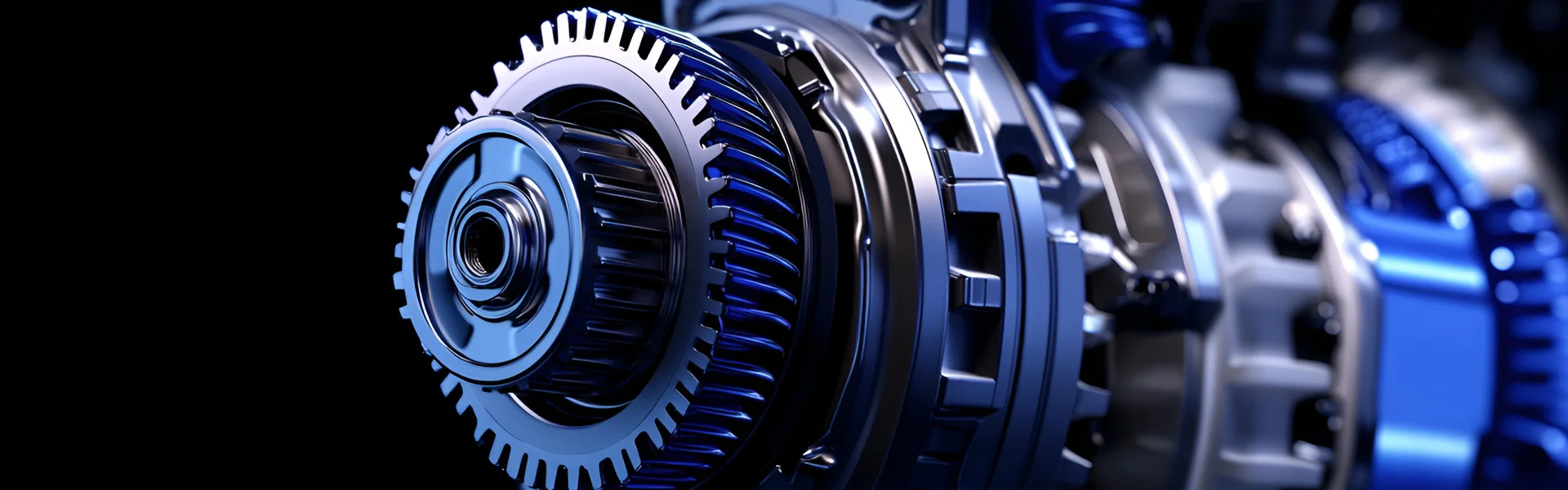
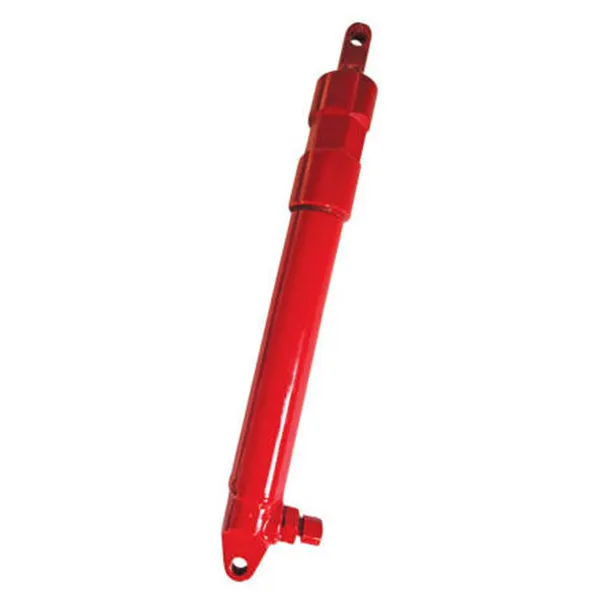
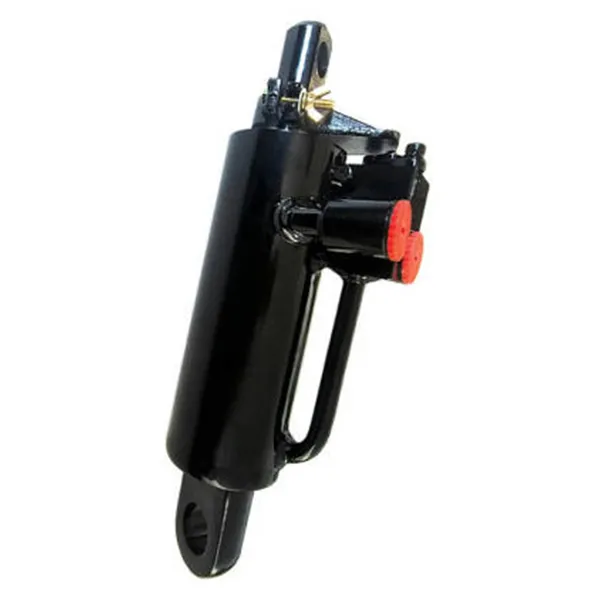
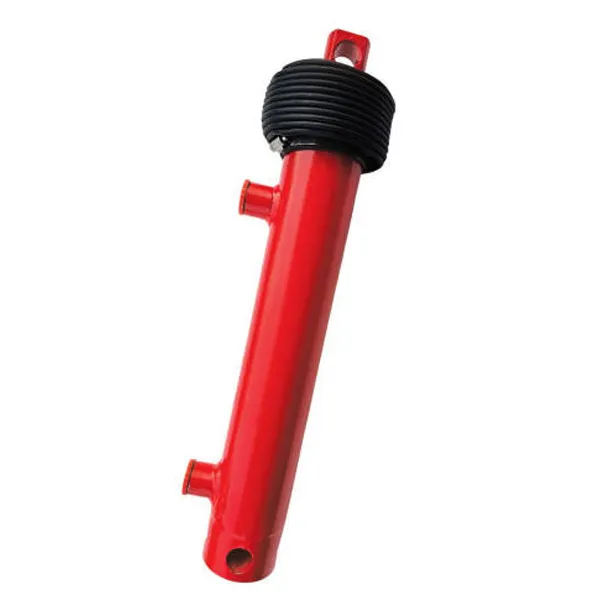
A fully loaded wheel loader weighs over 20 tons. To turn its wheels on a construction site, the steering system must generate enough force to overcome the resistance of the tires against the ground. A human driver cannot supply this force through manual effort alone. The Steering Hydraulic Cylinder is what makes it possible. Inside the cylinder, hydraulic fluid pressurized to 200 bar or more pushes against a piston with a surface area of hundreds of square centimeters. The result is a force of tens of thousands of Newtons, transmitted through the steering linkage to turn the wheels. The source of this force is hydraulic pressure. Without sufficient pressure, the cylinder cannot generate the force required. Without stable pressure, the steering feels vague and unresponsive. Without precisely controlled pressure, the operator cannot steer with confidence. Hydraulic pressure is not just one factor among many; it is the single most critical parameter determining steering cylinder power.
The question of why hydraulic pressure is critical for steering cylinder power is a question of physics and engineering. Pressure multiplied by piston area equals force. The pressure determines how much force the cylinder can generate for a given piston size. It also determines the speed at which the steering responds and the precision with which the operator can control the vehicle. In this article, we will examine the role of hydraulic pressure in steering cylinder power from multiple perspectives. We will cover the fundamental force equation, the pressure ratings that define cylinder performance, the factors that affect pressure in a steering system, and the consequences of insufficient or unstable pressure. We will also provide detailed specifications for our Steering Hydraulic Cylinders from our factory at Raydafon Technology Group Co.,Limited.
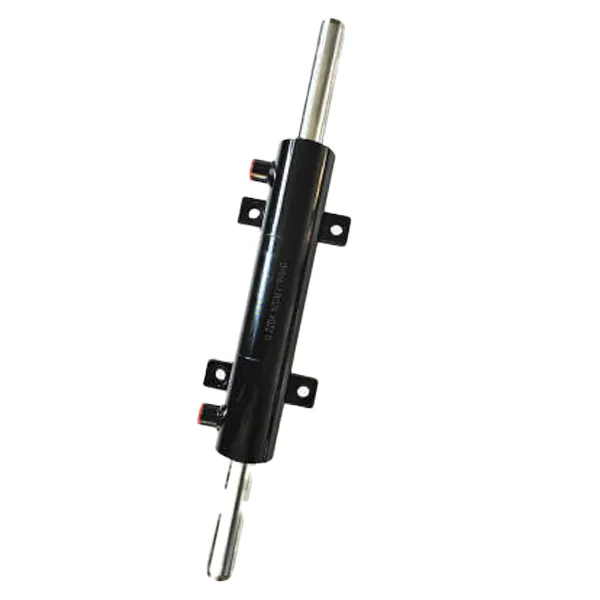
The force generated by a Steering Hydraulic Cylinder is determined by a simple equation: Force = Pressure × Area. The pressure is the hydraulic pressure of the fluid, measured in bar or psi. The area is the surface area of the piston, measured in square centimeters or square inches. To increase the force, you can either increase the pressure or increase the piston area. In practice, both are used. For a typical steering cylinder, the piston diameter might be 100mm, giving a piston area of 78.5 cm². At a pressure of 200 bar, the force is 78.5 × 200 = 15,700 kg, or approximately 15.7 tons. This is the force that the cylinder applies to the steering linkage. The table below illustrates the relationship between pressure, piston area, and force.
| Piston Diameter (mm) | Piston Area (cm²) | Pressure (bar) | Force (kg) | Force (tons) |
| 80 | 50.3 | 150 | 7,545 | 7.5 |
| 100 | 78.5 | 200 | 15,700 | 15.7 |
| 125 | 122.7 | 250 | 30,675 | 30.7 |
| 140 | 153.9 | 300 | 46,170 | 46.2 |
| 160 | 201.1 | 350 | 70,385 | 70.4 |
At Raydafon Technology Group Co.,Limited, our factory manufactures Steering Hydraulic Cylinders with piston diameters from 50mm to 200mm and pressure ratings up to 350 bar. We work with our customers to select the optimal combination of pressure and piston area for their specific steering application. Our engineering team can calculate the required force and recommend the appropriate cylinder specifications.
The pressure rating of a Steering Hydraulic Cylinder is the maximum pressure at which it can operate safely. This rating is determined by the design of the cylinder, including the wall thickness of the barrel, the strength of the rod, and the pressure rating of the seals. The pressure rating is typically expressed in bar or psi. For steering cylinders, the typical pressure rating is between 150 and 350 bar, depending on the application. Light-duty vehicles may use pressures of 100-150 bar, while heavy-duty off-road equipment may use pressures of 250-350 bar. The pressure rating must be selected to match the capability of the hydraulic pump and the requirements of the steering system. The table below summarizes the pressure ratings for different steering applications.
| Application | Typical Pressure Range (bar) | Typical Piston Diameter (mm) | Typical Force (tons) |
| Passenger Car | 80 - 120 | 40 - 60 | 2 - 4 |
| Light Truck | 100 - 150 | 60 - 80 | 4 - 8 |
| Agricultural Tractor | 150 - 200 | 80 - 100 | 8 - 16 |
| Construction Equipment | 200 - 280 | 100 - 140 | 16 - 40 |
| Heavy Off-Road | 280 - 350 | 140 - 200 | 40 - 80 |
At our factory, we design our Steering Hydraulic Cylinders to meet the pressure requirements of the most demanding applications. We use high-strength materials and precision manufacturing to ensure that our cylinders can withstand the rated pressure with an adequate safety factor. We also test every cylinder at 1.5 times the rated pressure before it is shipped. This commitment to quality ensures that our cylinders deliver reliable performance in the field.
The pressure in a steering system does not just determine the maximum force; it also affects the response and feel of the steering. Higher pressure allows the cylinder to generate force more quickly, resulting in faster steering response. This is important for maneuvering in tight spaces or at high speeds. Lower pressure results in slower response, which can feel sluggish or unresponsive. The pressure also affects the feedback that the operator feels through the steering wheel. In a hydraulic steering system, the pressure is regulated by a steering valve that senses the operator's input and the resistance from the wheels. The pressure difference across the piston creates the steering force. The operator feels a proportional resistance through the steering wheel, which provides feedback about the terrain and the load on the wheels. The table below summarizes the relationship between pressure and steering feel.
| Pressure Level | Steering Response | Operator Feedback | Typical Application |
| Low (80-120 bar) | Slow | Light, vague | Passenger cars |
| Medium (150-200 bar) | Moderate | Moderate, responsive | Light trucks, tractors |
| High (250-350 bar) | Fast | Firm, precise | Construction, mining |
At Raydafon, our factory designs Steering Hydraulic Cylinders that deliver the optimal balance of response and feedback for each application. We work with our customers to select the right pressure rating and piston diameter to achieve the desired steering characteristics. Our engineering team can also provide advice on the design of the steering valve and the hydraulic circuit to optimize the overall steering performance.
The pressure in a steering system is determined by several factors, including the pump output, the relief valve setting, the resistance of the steering cylinder, and the flow rate of the hydraulic fluid. The pump is the source of pressure. It delivers a flow of hydraulic fluid at a pressure determined by the system's resistance. If the resistance is low, the pressure is low. If the resistance is high, the pressure increases until it reaches the relief valve setting. The relief valve protects the system from overpressure. The steering cylinder is the primary resistance in the system. The force required to turn the wheels determines the pressure. The flow rate determines the speed of the steering response. The table below summarizes these factors.
| Factor | Description | Effect on Pressure |
| Pump Output | Flow rate and maximum pressure | Determines the maximum available pressure |
| Relief Valve Setting | Maximum pressure limit | Caps the system pressure |
| Steering Cylinder Resistance | Force required to turn the wheels | Determines the actual operating pressure |
| Flow Rate | Volume of fluid per unit time | Affects response speed, not pressure directly |
| Fluid Temperature | Viscosity of the hydraulic fluid | Affects pressure drop and system efficiency |
At our factory, we consider all these factors when designing Steering Hydraulic Cylinders for our customers. We work closely with the system integrator to ensure that the cylinder is matched to the pump and the relief valve. We also provide guidance on the selection of hydraulic fluid and the design of the hydraulic circuit to ensure optimal performance.
Insufficient or unstable pressure in a steering system can have serious consequences. If the pressure is too low, the cylinder cannot generate enough force to turn the wheels, especially under heavy loads or on rough terrain. The steering will feel heavy and unresponsive, and the operator may not be able to steer the vehicle safely. If the pressure is unstable, the steering will feel erratic. The wheels may turn too quickly or too slowly, and the operator may have difficulty maintaining control. In extreme cases, the steering may fail completely. The table below summarizes the consequences of insufficient or unstable pressure.
| Condition | Symptom | Consequence | Action Required |
| Low Pressure | Heavy steering, slow response | Difficulty steering, unsafe operation | Check pump, relief valve, and leaks |
| Unstable Pressure | Erratic steering, wheel shimmy | Loss of control, accident risk | Check valve, air in system, pump wear |
| Pressure Loss | Steering fails completely | Loss of vehicle control | Immediate repair required |
| Overpressure | Blown seals, damaged cylinder | System failure, safety hazard | Check relief valve, reduce load |
At Raydafon, our factory designs Steering Hydraulic Cylinders to operate reliably even under challenging conditions. We use high-quality seals and precision manufacturing to ensure that our cylinders maintain stable pressure and consistent performance. We also provide technical support to help our customers diagnose and resolve pressure-related problems in their steering systems.
The key specifications for a Steering Hydraulic Cylinder include the bore diameter, the rod diameter, the stroke length, the pressure rating, the mounting type, and the seal type. The table below provides a summary of the typical specifications for our Steering Hydraulic Cylinders.
| Specification | Range | Notes |
| Bore Diameter | 50 - 200 mm | Selected based on force requirement |
| Rod Diameter | 30 - 140 mm | Selected based on buckling resistance |
| Stroke Length | 100 - 500 mm | Selected based on steering geometry |
| Pressure Rating | Up to 350 bar | Higher ratings available |
| Mounting Type | Clevis, Flange, Trunnion, Threaded | Selected based on vehicle design |
| Seal Type | Polyurethane, PTFE, NBR | Selected based on environment |
| Rod Coating | Hard Chrome, Ceramic | Selected based on abrasion |
| Operating Temperature | -30°C to +120°C | High-temperature options available |
At our factory, we manufacture Steering Hydraulic Cylinders to meet these specifications and more. We can customize the cylinder to suit specific vehicle requirements, including special bore diameters, special pressure ratings, and special mounting configurations. Our engineering team can assist with the selection process and provide detailed technical data for your project.
Question 1: How do I calculate the required pressure for my steering cylinder?
Answer: To calculate the required pressure, you first need to determine the force required to turn the wheels. This depends on the weight of the vehicle, the tire friction, and the terrain conditions. Once you have the required force, you can calculate the pressure using the formula: Pressure = Force / Area. The area is the piston area of the cylinder. Our engineering team can assist with the calculation for your specific application.
Question 2: What is the maximum pressure a steering cylinder can handle?
Answer: The maximum pressure depends on the design and materials of the cylinder. Our standard Steering Hydraulic Cylinders are rated for pressures up to 350 bar. Higher pressures are possible with custom designs. The pressure rating is determined by the wall thickness of the barrel, the strength of the rod, and the pressure rating of the seals. Never exceed the rated pressure of the cylinder.
Question 3: Why does my steering feel heavy and unresponsive?
Answer: Heavy and unresponsive steering is often a sign of insufficient hydraulic pressure. This can be caused by a worn pump, a faulty relief valve, a leak in the system, or air in the hydraulic fluid. Check the pump output, the relief valve setting, and the system for leaks. Bleed the system to remove air. If the problem persists, the steering cylinder may be worn and need replacement.
Question 4: Can I increase the pressure in my steering system to get more power?
Answer: Increasing the pressure can increase the steering force, but it must be done carefully. The entire steering system, including the pump, the cylinder, the hoses, and the valves, must be rated for the higher pressure. Increasing the pressure beyond the rating of any component can cause failure and safety hazards. Consult with a qualified engineer before making any changes to the system pressure.
Question 5: What is the difference between a single-acting and a double-acting steering cylinder?
Answer: A single-acting cylinder uses hydraulic pressure to steer in one direction and relies on a return spring or the force of the steering linkage to return to the center position. A double-acting cylinder uses hydraulic pressure to steer in both directions. Double-acting cylinders are more common in heavy equipment because they provide positive control in both directions and are more responsive.
Hydraulic pressure is critical for steering cylinder power because it is the source of the force that turns the wheels. Without sufficient pressure, the cylinder cannot generate the force required. Without stable pressure, the steering feels vague and unresponsive. Without precisely controlled pressure, the operator cannot steer with confidence. At Raydafon Technology Group Co.,Limited, our factory manufactures Steering Hydraulic Cylinders that deliver reliable performance at pressures up to 350 bar. We use high-strength materials, precision manufacturing, and rigorous testing to ensure that every cylinder we produce meets the most demanding requirements. Our engineering team works closely with our customers to select the optimal cylinder specifications for their specific application.
Whether you are designing a new steering system or upgrading an existing one, we invite you to contact us to discuss your requirements. We can provide samples, technical data, and design assistance. Our commitment to quality and customer satisfaction has made us a trusted partner for off-road equipment manufacturers around the world.
Contact Raydafon Technology Group Co.,Limited today to discuss your Steering Hydraulic Cylinder requirements and discover how our cylinders can deliver the power and reliability you need.
+86-574-87168065
Luotuo Industrial Area, Zhenhai District, Ningbo City, China