QR Code

Products
Contact Us


Fax
+86-574-87168065

Email

Address
Luotuo Industrial Area, Zhenhai District, Ningbo City, China


A wheel loader clawing its way through a muddy construction site. A tractor traversing a rocky hillside. A military truck navigating a rutted dirt road. In each of these scenarios, the Steering Hydraulic Cylinder is the component that translates the operator's input into precise, controlled movement of the wheels. On rough terrain, this task is far more demanding than on a paved road. The cylinder must overcome obstacles, absorb shock loads, and maintain control when the ground beneath the tires is uneven, soft, or unstable. A steering system that works perfectly on asphalt may fail completely when the terrain turns rough. The Steering Hydraulic Cylinder is the key to maintaining control in these challenging conditions.
The question of how a Steering Hydraulic Cylinder works on rough terrain is a question of force, feedback, and durability. The cylinder must generate enough force to turn the wheels against the resistance of the ground. It must provide the operator with the feedback needed to sense the terrain. It must withstand the shock loads and vibration that are inherent to off-road operation. And it must do all of this reliably, day after day, in environments that are dirty, wet, and abrasive. This article will examine the design and operation of the Steering Hydraulic Cylinder in rough terrain applications. We will cover the force dynamics, the sealing systems, the materials and construction, and the specific features that enable reliable performance. We will also provide detailed specifications for our Steering Hydraulic Cylinder products from our factory at Raydafon Technology Group Co.,Limited.
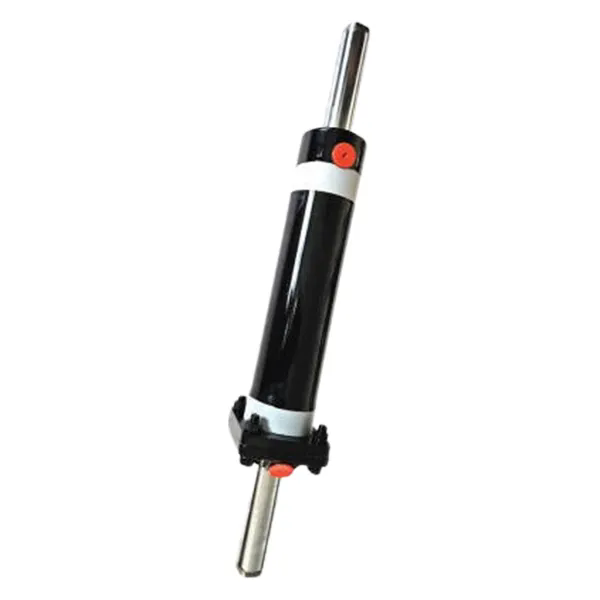
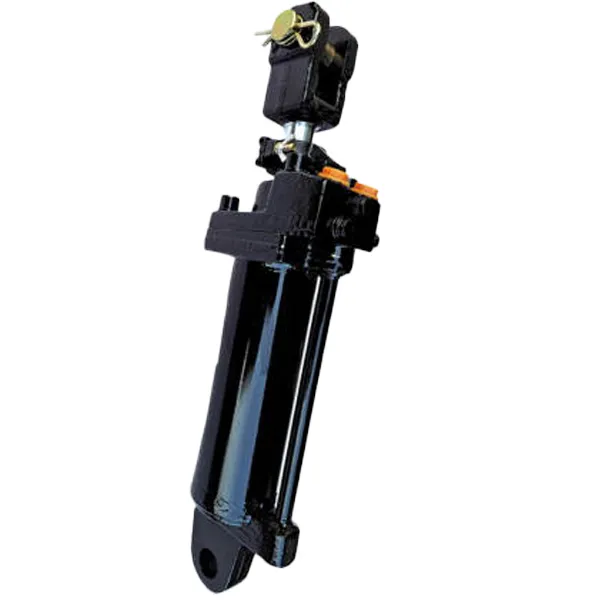
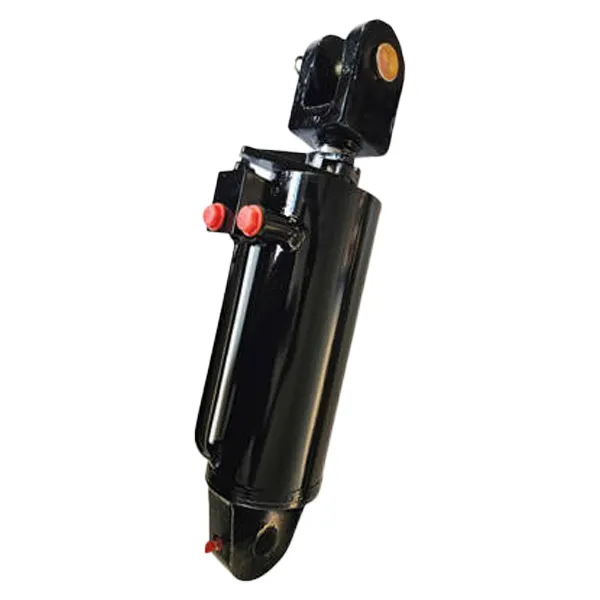
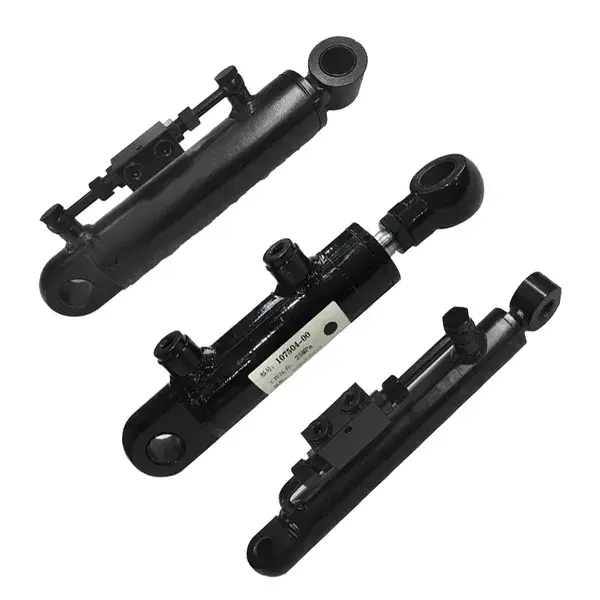
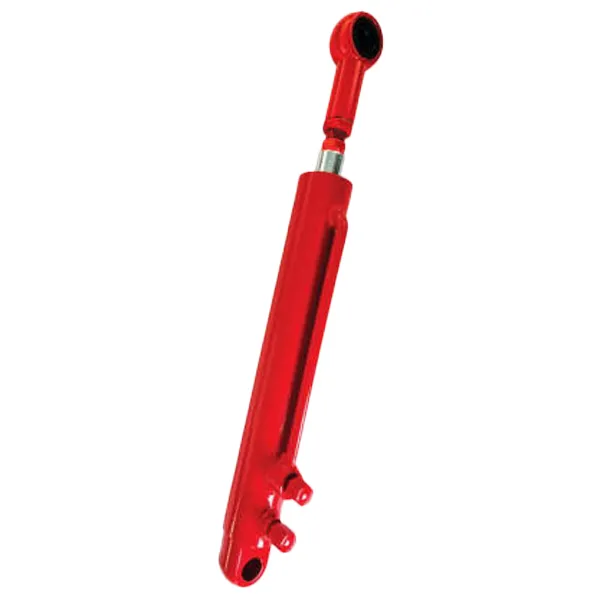
A Steering Hydraulic Cylinder is a hydraulic actuator that converts hydraulic pressure into linear force to steer the wheels of a vehicle or machine. It is a double-acting cylinder, meaning it can generate force in both directions—extending to steer in one direction and retracting to steer in the other. The cylinder is connected to the steering linkage, which transmits the force to the wheels. When the operator turns the steering wheel, a hydraulic pump delivers pressurized fluid to one side of the piston, causing the rod to extend or retract. The movement of the rod pushes or pulls the steering linkage, turning the wheels. The cylinder is controlled by a steering valve, which directs the flow of hydraulic fluid based on the operator's input.
On rough terrain, the operation of the Steering Hydraulic Cylinder is more complex than on flat ground. The wheels are constantly being deflected by obstacles, and the steering linkage is subjected to forces from multiple directions. The cylinder must be able to maintain control despite these disturbances. This requires a robust design, precise manufacturing, and high-quality sealing. The table below summarizes the key functions of a Steering Hydraulic Cylinder and the design features that enable them.
| Function | Design Feature | Benefit on Rough Terrain |
| Force Generation | Large piston area and high pressure | Overcomes resistance from obstacles |
| Directional Control | Double-acting design | Steers in both directions |
| Shock Absorption | Cushioning at end of stroke | Reduces impact from obstacles |
| Contamination Resistance | Wiper seals and rod coatings | Prevents dirt from entering |
| Leak Prevention | High-quality piston and rod seals | Maintains pressure and control |
At Raydafon Technology Group Co.,Limited, our factory manufactures Steering Hydraulic Cylinders specifically designed for rough terrain applications. We use high-strength materials, precision machining, and advanced sealing systems to ensure reliable performance in the most demanding conditions. Our engineering team works closely with customers to understand their specific requirements and to provide the optimal cylinder design.
Rough terrain dramatically increases the force required to steer a vehicle. On a smooth road, the steering force is primarily determined by the friction between the tires and the road surface, and the alignment of the front wheels. On rough terrain, additional forces come into play. The wheels may be lodged against rocks, embedded in mud, or pushed sideways by ruts. The Steering Hydraulic Cylinder must overcome these forces to turn the wheels. The force required can be several times higher than on a paved road. This means that the cylinder must be sized with a larger piston area or a higher operating pressure to generate the necessary force. The table below illustrates the difference in steering force requirements between smooth and rough terrain for a typical wheel loader.
| Terrain Condition | Typical Steering Force (kN) | Required Cylinder Pressure (bar) | Piston Diameter (mm) |
| Smooth Pavement | 20 - 30 | 100 - 150 | 80 - 100 |
| Gravel Road | 40 - 60 | 150 - 200 | 100 - 125 |
| Muddy Terrain | 80 - 120 | 200 - 250 | 125 - 160 |
| Rocky Terrain | 100 - 150 | 250 - 300 | 140 - 180 |
| Extreme Off-Road | 150 - 200 | 300 - 350 | 160 - 200 |
At our factory, we design our Steering Hydraulic Cylinders to meet the force requirements of the most demanding off-road applications. We offer a range of piston diameters and pressure ratings to suit different vehicle sizes and terrain conditions. Our engineering team can calculate the required steering force for your specific application and recommend the appropriate cylinder specifications.
Contamination is the enemy of any hydraulic system, and it is especially problematic for a Steering Hydraulic Cylinder operating on rough terrain. Dirt, dust, mud, and water are constantly present and can enter the cylinder through the rod seal if it is not properly protected. Once inside, these contaminants can damage the seals, scratch the rod and barrel surfaces, and cause the cylinder to leak or seize. To prevent this, a Steering Hydraulic Cylinder for off-road use must be equipped with a robust sealing system that includes a wiper seal, a rod seal, and a piston seal. The wiper seal, also known as a scraper, is the first line of defense. It removes dirt and debris from the rod as it retracts, preventing it from entering the cylinder. The rod seal is the primary pressure seal. It prevents hydraulic fluid from leaking out along the rod. The piston seal prevents fluid from leaking across the piston. The table below summarizes the sealing system components and their functions.
| Seal Component | Function | Typical Material | Contamination Resistance |
| Wiper Seal | Removes dirt and debris from rod | Polyurethane | Excellent |
| Rod Seal | Prevents fluid leakage along rod | Polyurethane, PTFE | Good |
| Piston Seal | Prevents fluid leakage across piston | PTFE, NBR | Good |
| Buffer Seal | Protects rod seal from pressure spikes | PTFE | Good |
| Guide Rings | Supports piston and rod | PTFE + bronze | Good |
At Raydafon, we use only high-quality seals from reputable manufacturers. Our factory has extensive experience in selecting the right seal materials for off-road applications, considering factors such as the type of contamination, the operating temperature, and the pressure. We also offer rod coatings, such as hard chrome or ceramic, that enhance the performance of the wiper seal and extend the life of the cylinder.
On rough terrain, a Steering Hydraulic Cylinder is subjected to shock loads that can be many times higher than the normal operating force. These shock loads occur when the wheels hit an obstacle, such as a rock or a curb, and the force is transmitted back through the steering linkage to the cylinder. If the cylinder is not designed to absorb these shocks, the seals can be damaged, the rod can bend, and the cylinder can fail. To prevent this, a Steering Hydraulic Cylinder for off-road use must incorporate features that absorb and dissipate shock energy. The most common feature is end-of-stroke cushioning. This is a design that traps a small volume of hydraulic fluid at the end of the piston stroke, creating a hydraulic cushion that decelerates the piston and absorbs the shock. Another feature is the use of a relief valve in the hydraulic circuit, which opens to release pressure when a shock load occurs, protecting the cylinder from overpressure. The table below summarizes the shock absorption features and their functions.
| Shock Absorption Feature | Function | Benefit |
| End-of-Stroke Cushioning | Decelerates piston at end of stroke | Reduces impact noise and wear |
| Relief Valve | Releases pressure during shock loads | Protects cylinder from overpressure |
| Heavy-Duty Rod | Resists bending from side loads | Prevents rod deformation |
| Reinforced Mounting | Absorbs forces at attachment points | Prevents mounting failure |
| Accumulator (System) | Absorbs pressure spikes in circuit | Smoothes steering response |
At our factory, we design our Steering Hydraulic Cylinders with end-of-stroke cushioning as a standard feature. We also offer optional relief valves and reinforced mountings for the most demanding applications. Our engineering team can analyze the shock loads in your specific application and recommend the appropriate design features to ensure reliable performance.
The durability of a Steering Hydraulic Cylinder on rough terrain depends on the materials and finishes used in its construction. The cylinder barrel must be made from high-strength steel that can withstand the operating pressure and the shock loads. The piston rod must be made from a material that resists bending and wear. The rod surface must be hardened and coated to resist abrasion and corrosion. The seals must be made from materials that resist contamination and temperature extremes. The table below summarizes the materials and finishes used in our Steering Hydraulic Cylinders.
| Component | Material / Finish | Benefit |
| Barrel | ST52, E355 seamless steel tube | High strength, pressure containment |
| Piston Rod | 20MnV6, 42CrMo4 | High strength, resistance to bending |
| Rod Coating | Hard chrome plating (20-30 µm) | Abrasion and corrosion resistance |
| Rod Coating (Optional) | Ceramic coating | Superior wear resistance |
| Seals | Polyurethane, PTFE, NBR | Contamination and temperature resistance |
| End Caps | Ductile iron or steel | High strength, impact resistance |
| Paint Finish | Epoxy or polyurethane | Corrosion resistance |
At Raydafon, we use only high-quality materials in our Steering Hydraulic Cylinders. Our factory has the equipment and the expertise to machine, weld, and assemble cylinders to the highest standards. We also offer a range of surface treatments, including hard chrome plating, ceramic coating, and epoxy painting, to ensure that our cylinders can withstand the harshest environments.
The key specifications for a Steering Hydraulic Cylinder include the bore diameter, the rod diameter, the stroke length, the operating pressure, the mounting type, and the port size. The table below provides a summary of the typical specifications for our Steering Hydraulic Cylinders.
| Specification | Range | Notes |
| Bore Diameter | 50 - 200 mm | Selected based on force requirement |
| Rod Diameter | 30 - 140 mm | Selected based on buckling resistance |
| Stroke Length | 100 - 500 mm | Selected based on steering geometry |
| Operating Pressure | Up to 350 bar | Higher pressures available |
| Mounting Type | Clevis, Flange, Trunnion, Threaded | Selected based on vehicle design |
| Port Size | G1/2" - G1" | Selected based on flow rate |
| Seal Type | Polyurethane, PTFE, NBR | Selected based on environment |
| Rod Coating | Hard Chrome, Ceramic | Selected based on abrasion |
At our factory, we manufacture Steering Hydraulic Cylinders to meet these specifications and more. We can customize the cylinder to suit specific vehicle requirements, including special mounting configurations, special port sizes, and special seal materials. Our engineering team can assist with the selection process and provide detailed technical data for your project.
Question 1: How do I know if my Steering Hydraulic Cylinder is failing?
Answer: The signs of a failing Steering Hydraulic Cylinder include excessive play in the steering, difficulty turning the wheels, hydraulic fluid leaks around the rod or end caps, and unusual noises during steering. If you notice any of these symptoms, the cylinder should be inspected by a qualified technician. Early detection can prevent more extensive damage and costly repairs.
Question 2: Can a Steering Hydraulic Cylinder be repaired, or does it need to be replaced?
Answer: In many cases, a Steering Hydraulic Cylinder can be repaired. The most common repair is the replacement of the seals. If the rod is bent or the barrel is damaged, the repair may be more extensive. At Raydafon Technology Group Co.,Limited, we offer a full repair and reconditioning service for our cylinders. We can restore a cylinder to like-new condition at a fraction of the cost of a new cylinder.
Question 3: What is the difference between a single-acting and a double-acting Steering Hydraulic Cylinder?
Answer: A single-acting cylinder uses hydraulic pressure to steer in one direction and relies on a return spring or the force of the steering linkage to return to the center position. A double-acting cylinder uses hydraulic pressure to steer in both directions. Double-acting cylinders are more common in heavy equipment because they provide positive control in both directions and are more responsive.
Question 4: How often should a Steering Hydraulic Cylinder be inspected?
Answer: The inspection frequency depends on the application and the operating conditions. For heavy equipment operating on rough terrain, we recommend a visual inspection daily, a detailed inspection monthly, and a full overhaul every 2-3 years or after a specified number of operating hours. The inspection should include checking for leaks, verifying the rod surface condition, checking the hydraulic fluid for contamination, and testing the steering response.
Question 5: Can I use a standard hydraulic cylinder for steering on rough terrain?
Answer: No, a standard hydraulic cylinder is not suitable for steering on rough terrain. Steering cylinders for off-road applications require special features such as end-of-stroke cushioning, heavy-duty rods, and robust sealing systems to withstand the shock loads and contamination. Using a standard cylinder will result in premature failure and potential safety hazards. Always use a cylinder that is specifically designed for steering applications.
The Steering Hydraulic Cylinder is a critical component for any vehicle or machine that operates on rough terrain. It must generate high force, resist contamination, absorb shock loads, and provide reliable performance in the most demanding conditions. At Raydafon Technology Group Co.,Limited, our factory has the expertise and the equipment to manufacture Steering Hydraulic Cylinders that meet these requirements. We use high-strength materials, precision machining, and advanced sealing systems to ensure that our cylinders deliver reliable performance and long service life. Whether you are designing a new off-road vehicle or maintaining an existing fleet, we can provide the cylinder you need.
Our engineering team is available to assist with the selection process and to provide detailed technical data for your project. We can calculate the required steering force, recommend the appropriate cylinder specifications, and provide guidance on installation and maintenance. Our commitment to quality and customer satisfaction has made us a trusted partner for off-road equipment manufacturers around the world.
Contact Raydafon Technology Group Co.,Limited today to discuss your Steering Hydraulic Cylinder requirements and discover how our cylinders can improve the performance and reliability of your off-road equipment.
+86-574-87168065
Luotuo Industrial Area, Zhenhai District, Ningbo City, China