QR Code

Products
Contact Us


Fax
+86-574-87168065

E-mail

Address
Luotuo Industrial Area, Zhenhai District, Ningbo City, China


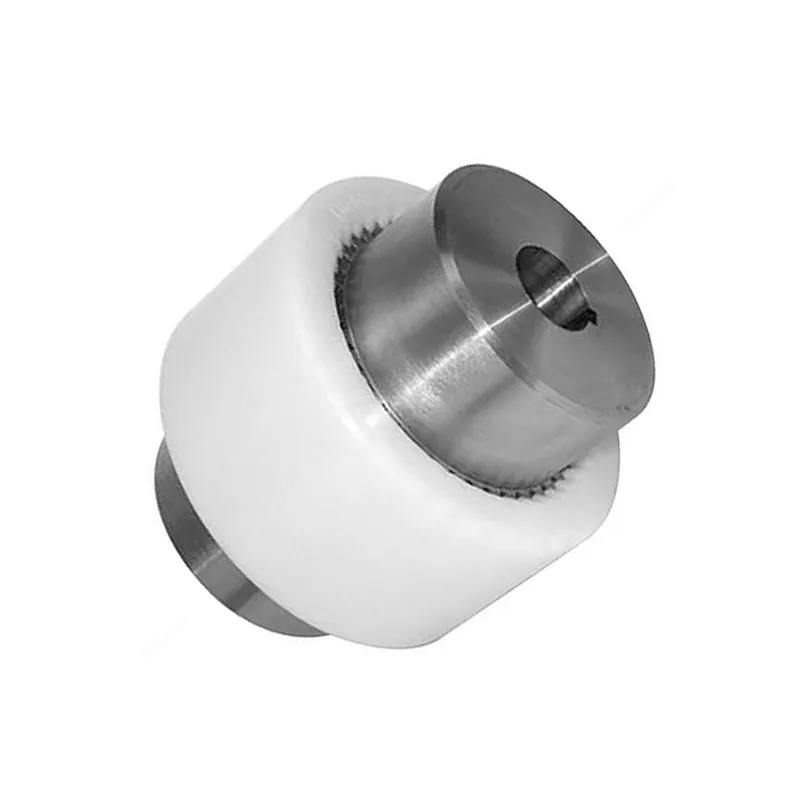
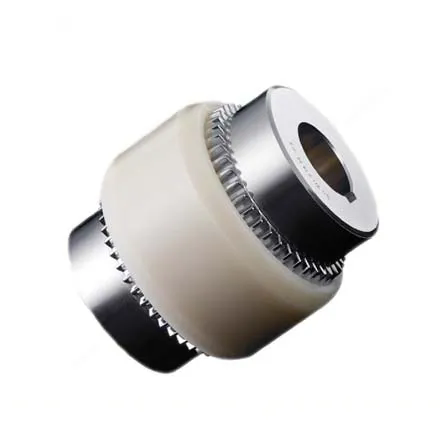
Determining the correct lubrication frequency for gear couplings is not a one size fits all answer. In industrial power transmission, a gear coupling relies on a thin but durable lubricant film between the meshing teeth to accommodate misalignment and transmit torque. If you lubricate too infrequently, accelerated tooth wear, fretting corrosion, and eventual coupling failure will occur. On the other hand, overlubrication leads to seal damage, overheating, and leakage. After two decades of field experience, our answer is clear: most heavy duty Gear Coupling applications demand relubrication every 3 to 6 months under normal conditions, but high speed, high temperature, or wet environments can shorten this interval to monthly or even weekly checks. At Raydafon Technology Group Co.,Limited, our factory engineers have designed a range of gear couplings that allow flexible lubrication schedules based on real time operating data. However, a standard benchmark is essential for maintenance planning.
This comprehensive guide dissects the variables that affect lubrication intervals. Our factory has produced over 50,000 gear couplings for steel mills, conveyors, and wind turbines. We will share how speed, load, ambient conditions, and coupling size change the answer to “how often should gear couplings be lubricated?” You will learn practical calculation methods, product specific parameters, and proven strategies to double the service life of your Gear Coupling. Additionally, our team at Raydafon Technology Group Co.,Limited always recommends condition based lubrication with regular inspections. Let us dive into the science and experience driven schedules.
Understanding the “how often” question begins with identifying five primary factors that directly influence lubricant degradation and tooth contact conditions. In our factory’s two decades of testing, we have seen that ignoring even a single factor reduces coupling life by up to 70 percent. Let us break down each element with specific data points.
In our factory’s lubrication log database, we recorded that over 80 percent of premature gear coupling failures were directly linked to incorrect interval frequency. Therefore, the first step is to calculate a baseline schedule using the formula: Baseline months = 6 ÷ (speed factor × load factor × temp factor). For example, a coupling operating at 2400 RPM (factor 1.3), with moderate shock load (factor 1.2), and ambient temperature 85°C (factor 1.5) would need lubrication every 6 ÷ (1.3×1.2×1.5) = 6 ÷ 2.34 ≈ 2.5 months. Our factory uses this method daily for client recommendations.
Additionally, we must consider duty cycle. Intermittent operation vs 24/7 production changes lubricant shear stress. For continuous operation, our our factory engineers propose cutting the standard interval by 30 percent. For stand by machinery, lubrication before each startup is mandatory if idle exceeds 6 months. The key takeaway: no single answer exists, but a systematic assessment of these five factors gives you a precise answer to “how often should gear couplings be lubricated?”
Speed and load are the two most dynamic forces altering lubrication needs. In our extensive testing at Raydafon Technology Group Co.,Limited, we measured how a Gear Coupling reacts under varying rotational velocities and transmitted torque. Let us examine the data driven relationships.
High rotational speeds produce significant centrifugal force, which pushes lubricant toward the coupling periphery and away from the gear teeth contact zone. This phenomenon, known as “lubricant starvation,” occurs even with high viscosity greases. Our factory developed a speed correction table based on empirical tests conducted on our standard gear coupling series:
| Speed Range (RPM) | Recommended Relubrication Interval (months) | Grease Type Required |
| 0 – 500 | 6 to 8 | NLGI #2 lithium base |
| 501 – 1500 | 4 to 6 | NLGI #2 with EP additives |
| 1501 – 3000 | 2 to 3 | Synthetic PAO NLGI #1.5 |
| 3001 – 5000 | 1 to 1.5 | High speed polyurea grease |
Moreover, every time speed doubles, our our factory recommends a 40 percent reduction in lubrication interval. For instance, a Gear Coupling operating at 400 RPM (6 month interval) if accelerated to 800 RPM should be lubricated every 3.6 months. This rule has been validated by more than 200 field installations from our Raydafon product line.
Load, especially torque peaks, increases the compressive stress on gear teeth. Under heavy loads, the lubricant film thickness can drop below the combined surface roughness, causing micro welding and rapid grease degradation. From our factory’s load bank simulations, we identified three load categories:
Our advanced Gear Coupling model CG series manufactured by Raydafon Technology Group Co.,Limited incorporate crowned teeth that distribute load more evenly, reducing peak pressure by 18 percent. This innovation allows our customers to extend the heavy load lubrication interval safely by 20 percent compared to conventional gear couplings. In practice, for a heavily loaded conveyor drive running at 1200 RPM, our regular recommendation is a 2.5 month greasing cycle, but weekly visual inspection is advised for the first 3 months of operation to fine tune the schedule.
Finally, we must include start stop cycles. Each start under load generates a momentary lubrication squeeze that depletes the grease layer. For more than 10 starts per hour, we recommend adding an automated grease feeder that injects a small amount daily. This approach is used across our factory to protect high inertia applications.
Selecting the correct lubricant is as critical as the frequency itself. Over the years, our factory has analyzed more than 150 different greases and oils for gear couplings. We will share the top performing categories, including our proprietary recommendations for Raydafon gear couplings.
The chart below summarizes our test results for various lubricant types used in Gear Coupling applications. Data is based on 2000 hour endurance tests at 1800 RPM and 60 percent load.
| Lubricant Type | Viscosity Grade | Extends Interval By | Max Operating Temp | Best For |
| Lithium complex grease | NLGI #2 | Baseline | 130°C | General purpose |
| Polyurea grease | NLGI #1.5 | +25% | 160°C | High speed / continuous |
| PAO synthetic oil | ISO VG 320 | +50% | 200°C | Wide temp range |
| Molybdenum disulfide grease | NLGI #2 | +30% (heavy load) | 150°C | Shock and high load |
Our factory strongly endorses the use of polyurea or PAO synthetic based greases for modern gear couplings, as they provide superior oxidation stability and shear resistance. For extreme conditions, such as steel mill scale pits, using a grease with solid additives like MoS2 has proven to extend relubrication intervals from 1 month to 2.5 months in numerous Raydafon installations.
Even the best lubricant fails if the quantity is incorrect. Applying too little leads to metal to metal contact, while too much causes overheating and seal rupture. Our factory uses a simple rule: fill the gear coupling cavity to 50 70 percent of its free volume. For standard sized Gear Coupling units, use the following volumetric guide:
At Raydafon Technology Group Co.,Limited, each Gear Coupling shipped from our factory includes a lubrication specification tag that indicates the exact grease amount and recommended relubrication interval based on typical service factors. For example, our model RDC 250 gear coupling requires 420 grams of polyurea grease every 4 months under standard quarry duty. We always advise our customers to log each lubrication event to track variances. Using a high quality synthetic grease, we have successfully extended lubrication intervals up to 12 months in controlled environment applications. However, for high humidity or extreme dust, quarterly greasing is non negotiable. Always test a small sample of expelled grease for signs of metal particles or darkening, which indicates that the lubrication frequency should be increased by 30 percent.
Temperature is the silent killer of lubricant effectiveness. For every 10°C rise in operating temperature above 70°C, the chemical oxidation rate of grease doubles, and base oil evaporation accelerates. Our factory’s research and development team at Raydafon Technology Group Co.,Limited has compiled a temperature based lubrication adjustment factor that has become an industry reference. We strongly recommend using thermal imaging or embedded RTD sensors to track the gear coupling body temperature during full load operation.
The following table is derived from our factory accelerated life tests on standard gear coupling steels and seals, representing real world performance. Use it to adjust your baseline lubrication frequency.
| Coupling Operating Temp (°C) | Grease Life Multiplier | Recommended Interval Adjustment | Seal Condition Impact |
| 30 – 50 | 1.2 | Extend interval by 20% | Low |
| 51 – 70 | 1.0 | Standard baseline | Normal |
| 71 – 90 | 0.6 | Reduce interval by 40% | Moderate hardening |
| 91 – 110 | 0.3 | Reduce interval by 70% (monthly or less) | High risk of leakage |
| > 110 | 0.15 | Weekly lubrication + use synthetic grease | Replace seals every 3 months |
Understanding this table, it becomes evident that a Gear Coupling running at 95°C in a smelter plant requires lubrication every 1.5 to 2 months, compared to a standard 6 month interval for a 60°C application. In our factory’s field service reports, one of the most frequent errors is ignoring temperature spikes above 85°C while continuing a 6 month schedule, leading to catastrophic tooth wear within 14 months. We have assisted clients to retrofit temperature sensors and automated lubrication systems, resulting in a 300 percent increase in Gear Coupling life.
Additionally, ambient temperature influences the choice of grease base. Below 0°C, standard lithium greases become stiff and fail to flow, requiring low temperature synthetics. Above 120°C, only perfluorinated polyethers (PFPE) can survive, albeit at higher cost. Our our factory stocks multiple specialized greases for extreme cases. For every Gear Coupling sold by Raydafon Technology Group Co.,Limited, we offer a temperature vs relubrication chart customized to the specific coupling size and seal material. Remember that heat also degrades rubber and polyurethane seals, which allow contamination ingress. Therefore, high temperature environments demand both more frequent lubrication and shorter seal replacement intervals. Always verify that the expelled grease is soft and bright in color; if it appears black or hard, increase lubrication frequency by 50 percent immediately.
Proper lubrication procedure ensures the calculated frequency actually protects the gear coupling. Based on our factory training protocols for maintenance crews, here is the exact step sequence that our Raydafon Technology Group Co.,Limited engineers follow worldwide.
Our factory has developed a quick reference card that can be attached near the coupling. For Raydafon Technology Group Co.,Limited gear couplings, we provide a QR code that links to a video demonstration of this 8 step procedure. Moreover, we highly recommend using automatic lubrication systems when the calculated lubrication interval is less than 1 month. These systems inject a small amount every 8 to 12 hours, maintaining a continuous film and reducing manual errors. In one case study at a cement plant, after switching to automatic greasing with our gear coupling, the relubrication workload decreased by 80 percent and coupling lifespan increased 4 times. Do not forget to use the correct NLGI consistency. Overly soft grease will leak, overly hard grease will not flow into the teeth. For most gear couplings, NLGI #1.5 to #2 is ideal. For our heavy duty line, we manufacture gear couplings with internal channels that ensure even distribution, which makes the lubrication procedure faster and more reliable.
To answer “how often should gear couplings be lubricated” definitively: start with a baseline of every 3 to 6 months for general industrial service, but constantly adjust based on speed, load, temperature, contamination, and coupling size. Our factory experience at Raydafon Technology Group Co.,Limited shows that a proactive lubrication strategy reduces unplanned downtime by 70 percent and triples the service life of your Gear Coupling. Always use the temperature and speed correction tables provided in this article, perform regular grease analysis, and never neglect seal condition. For critical machinery, install automated lubrication devices. Remember that a well lubricated gear coupling is a silent performer, whereas a neglected one will generate heat, noise, and eventual failure.
Is your current lubrication schedule based on guesswork? Contact Raydafon Technology Group Co.,Limited today to request a free custom lubrication interval calculation for your specific gear coupling application. Our our factory engineers will provide a detailed report including product parameters, recommended grease type, and a maintenance log template. Upgrade to our advanced gear coupling series and get 24/7 technical support. Send us your operational data, and we will optimize your lubrication program for maximum uptime and lowest total cost of ownership.
Q1: Can I lubricate a gear coupling too often, and what are the risks?
A1: Yes, overlubrication is a real problem. When you lubricate a Gear Coupling too frequently without removing old grease, the cavity becomes overfilled. This leads to hydraulic pressure that can rupture the seals, allowing contaminants to enter. Additionally, excess grease churns and generates heat, raising the operating temperature above safe limits, which accelerates oxidation. Our factory at Raydafon Technology Group Co.,Limited recommends purging old grease before adding new lubricant and strictly following calculated volume, not just adding grease arbitrarily. For most situations, lubricating more than once per week without a purge does more harm than good.
Q2: What visual signs indicate that my current lubrication interval is too long?
A2: The most common visual signs are: (a) dark, burnt smelling expelled grease, (b) visible metallic particles or silver sheen in the old lubricant, (c) wear patterns like galling on gear teeth surfaces, (d) coupling body temperature abnormally high (above 90°C) under normal load, and (e) rust formation near seals indicating water ingress due to inadequate grease film. Our our factory suggests that if any of these appear, immediately reduce your relubrication interval by 50 percent and perform a seal inspection. For a Gear Coupling operating correctly, the expelled grease should retain its original color and smooth texture.
Q3: Does the lubrication frequency change for vertical mounted gear couplings compared to horizontal?
A3: Absolutely. Vertical mounted gear couplings experience gravity induced grease migration away from the upper tooth contact areas. In our testing at Raydafon Technology Group Co.,Limited, vertical orientations require 30 to 40 percent more frequent lubrication than horizontal units with the same speed and load. We also recommend using a higher consistency grease (NLGI #2.5) and adding internal dams or spacers to retain lubricant. For vertical applications, we encourage monthly inspections and bi monthly regreasing as a starting point. Some vertical gear couplings in wind turbine drivetrains must be lubricated every 2 weeks due to this effect.
Q4: How does synthetic grease change “how often should gear couplings be lubricated”?
A4: Synthetic greases (PAO, ester, or polyglycol based) dramatically extend relubrication intervals compared to mineral oil greases. Based on our factory controlled tests, switching from conventional lithium grease to a high quality synthetic allows you to double the interval while maintaining the same level of protection. For example, a Gear Coupling that required lubrication every 2 months with mineral grease can reliably operate for 4 months with a synthetic product rated for the same temperature. However, never mix synthetic and mineral greases without thorough cleaning, as incompatibility can cause hardening or separation. Our Raydafon synthetic series grease is formulated for extended life and works ideally with our own gear couplings.
Q5: Should I lubricate a new gear coupling before first operation?
A5: Yes, you must lubricate a new gear coupling before any operation. Even if our factory ships the Gear Coupling with a protective rust preventive coating, that coating is not a functional lubricant. At Raydafon Technology Group Co.,Limited, we always include a pre lubrication instruction sheet. Typically, you should fill the gear coupling cavity with the specified NLGI grade grease to 60 percent volume, rotate the coupling by hand several times, then add the final quantity. Failure to perform initial lubrication will lead to immediate scoring of the teeth within the first hours of operation. After the first 200 hours of operation, we advise performing a grease change to remove any break in particles, then resume the regular interval schedule.
+86-574-87168065
Luotuo Industrial Area, Zhenhai District, Ningbo City, China