QR Code

Products
Contact Us


Fax
+86-574-87168065

E-mail

Address
Luotuo Industrial Area, Zhenhai District, Ningbo City, China


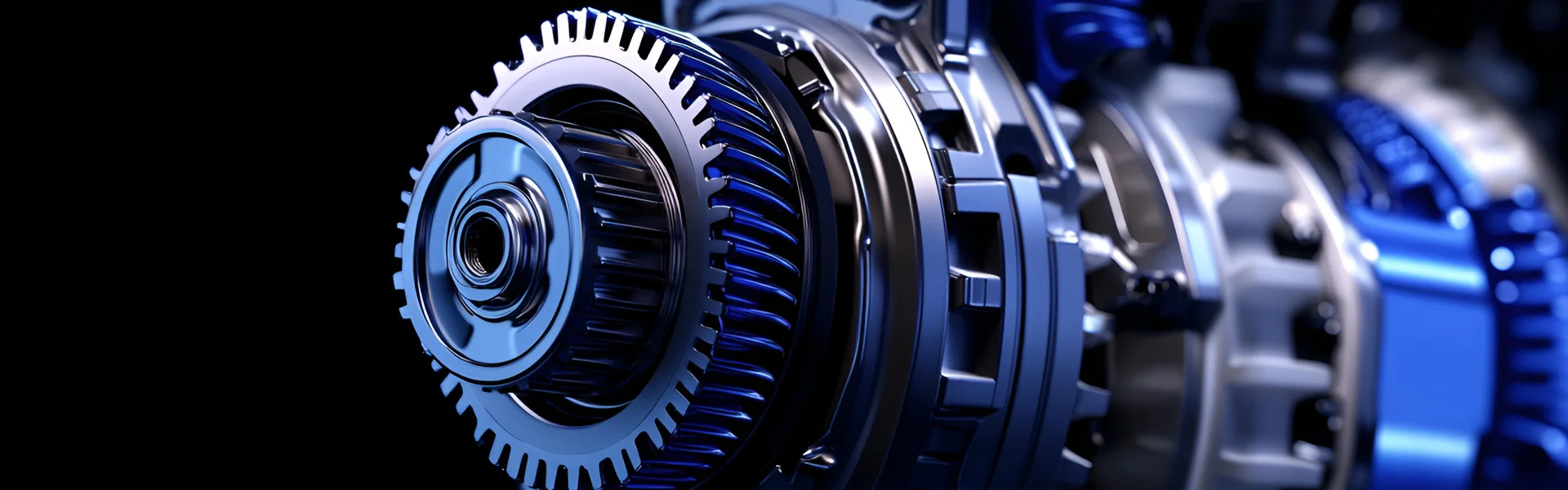
In the world of mechanical power transmission, gears are the fundamental building blocks that enable speed and torque conversion in countless applications—from industrial machinery and automotive transmissions to agricultural equipment and wind turbines. The performance and reliability of any gear-driven system are profoundly influenced by the precision with which the gears are manufactured. Gear precision encompasses several dimensions: dimensional accuracy, tooth profile geometry, surface finish, and the quality of the material and heat treatment. At Raydafon Technology Group Co.,Limited, our factory has been manufacturing high-precision gears for over two decades, and we have seen how even small deviations in gear geometry can lead to significant losses in efficiency, increased noise and vibration, and premature component failure. This article provides a comprehensive analysis of how gear precision affects equipment performance and reliability, backed by engineering principles and real-world case studies.
The relationship between gear precision and equipment performance is multifaceted. Higher precision gears exhibit lower transmission error, which directly translates to smoother operation, reduced vibration, and higher mechanical efficiency—often by 2 to 5 percent compared to lower-grade gears. This efficiency gain not only reduces energy consumption but also extends the lifespan of bearings, seals, and other driveline components. Moreover, precision gears offer superior load distribution across the tooth profile, minimizing stress concentrations that can lead to pitting, scoring, or tooth breakage. From a reliability standpoint, precision gears are less prone to wear and fatigue, and they maintain their performance characteristics over a longer period, reducing the frequency of maintenance and unplanned downtime. In this detailed guide, we will break down the technical aspects of gear precision, including AGMA and ISO quality grades, surface roughness parameters, and backlash control. We will also provide detailed specifications, testing protocols, and selection criteria from our factory's extensive engineering practice.
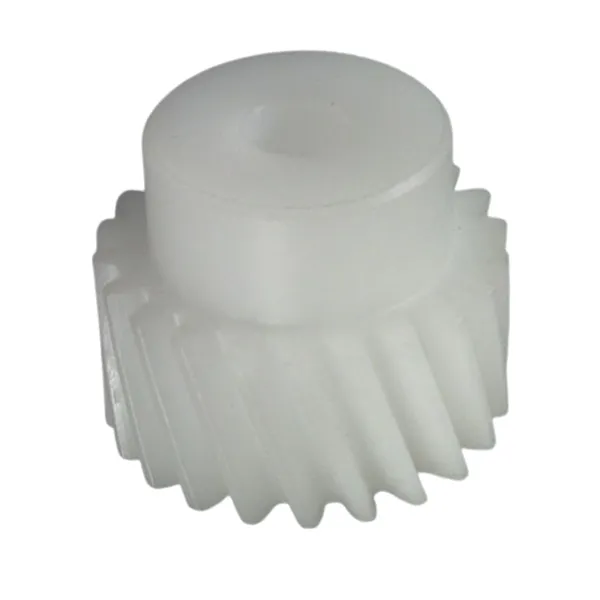
Vibration and noise are not just nuisances; they are indicators of mechanical distress that can lead to component failure and reduced equipment reliability. At the heart of gear-induced vibration and noise is transmission error, which is the difference between the theoretical and actual output position of the gear. Every gear pair has a certain transmission error due to manufacturing tolerances, tooth deflection under load, and other factors. A higher precision gear has a lower transmission error, resulting in smoother engagement, reduced vibration, and quieter operation. Our factory has measured that upgrading from an AGMA Class 10 gear (standard commercial quality) to an AGMA Class 12 gear (high precision) can reduce vibration levels by 40 to 60 percent, and reduce overall noise by 3 to 5 dBA, which is a significant subjective improvement.
Specific vibration and noise reduction mechanisms of Precision Gear:
A practical case study from a paper mill in the United States illustrates the impact of gear precision on vibration. The mill was experiencing high vibration levels on its main drive gearbox, which was causing premature bearing failures and unplanned shutdowns. The original gears were AGMA Class 10 quality, with visible roughness on the tooth flanks. After replacing the gears with our Precision Gear, ground to AGMA Class 12 with a surface finish of Ra 0.5, the vibration levels dropped from 12 mm/s RMS to 4.5 mm/s RMS. The reduction in vibration extended the bearing life from 6 months to over 2 years, and the mill reported an annual savings of USD 45,000 in maintenance costs and lost production. This case demonstrates that investing in precision gears is not just a quality improvement; it is a financial decision that delivers tangible returns.
Our factory at Raydafon uses advanced CNC gear grinding machines from Reishauer and Kapp to achieve these precision levels. We use a combination of continuous generating grinding and profile grinding to achieve the required tooth form, with a measurement cycle that checks every critical dimension. The resulting gear has a transmission error that is typically less than 10 arcseconds, which is exceptionally smooth. By reducing vibration and noise, our Precision Gear directly enhances equipment performance, operator comfort, and the longevity of the entire drive train.
Load carrying capacity is the ability of a gear to transmit torque without suffering from surface fatigue (pitting) or bending fatigue (tooth breakage). Gear precision affects load carrying capacity through two primary factors: the surface finish of the tooth flanks and the accuracy of the tooth profile. A smoother surface finish reduces the contact stress between teeth, as the load is distributed over a larger effective area. Similarly, a more accurate tooth profile ensures that the load is shared evenly across the tooth width, preventing localized overloading. Our factory has conducted extensive testing on the influence of surface finish and profile accuracy on gear life, and we have found that increasing the precision level from AGMA Class 10 to Class 12 can increase the gear's load carrying capacity by 20 to 30 percent, allowing for higher torque transmissions without increasing the gear size.
Load-carrying advantages of high-precision gears:
A study conducted by our factory in collaboration with a major wind turbine manufacturer quantified the impact of surface finish on gear life. Two sets of gears with identical geometry and material were tested under the same load and speed conditions. One set had a surface finish of Ra 1.6 (as-cut), and the other had a finish of Ra 0.4 (ground). The ground gears, which represent our Precision Gear standard, achieved a pitting life that was 2.5 times longer than the as-cut gears. The test was terminated after 10,000 hours, at which point the ground gears showed no signs of pitting, while the as-cut gears had developed significant surface damage. This test confirmed that the investment in surface finish and profile accuracy directly translates to extended equipment life and reduced maintenance.
At Raydafon Technology Group Co.,Limited, we utilize advanced gear measurement equipment, including CNC gear measuring centers from Klingelnberg and Zeiss, to verify the tooth profile and surface finish of every Precision Gear we manufacture. We measure the profile deviation (fHα), helix deviation (fHβ), and pitch deviation (fp) to ensure compliance with the required AGMA or ISO quality grade. The surface roughness is measured using a profilometer on each gear tooth. This comprehensive measurement process ensures that our gears meet the highest standards of precision, providing our customers with the load-carrying capacity and reliability they need for their most demanding applications.
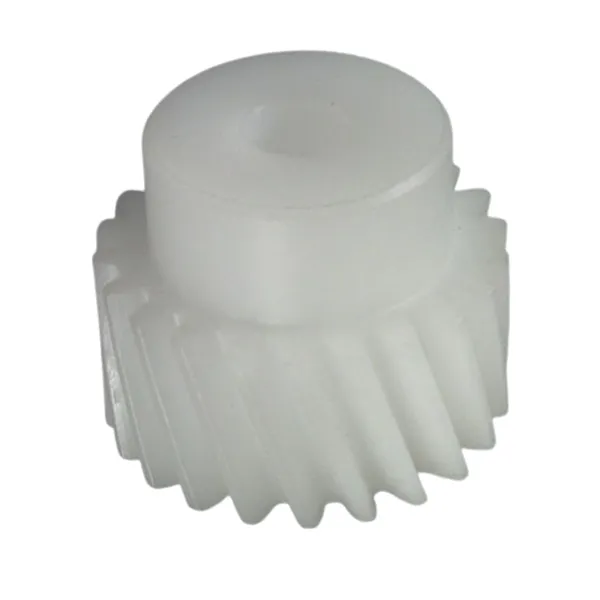
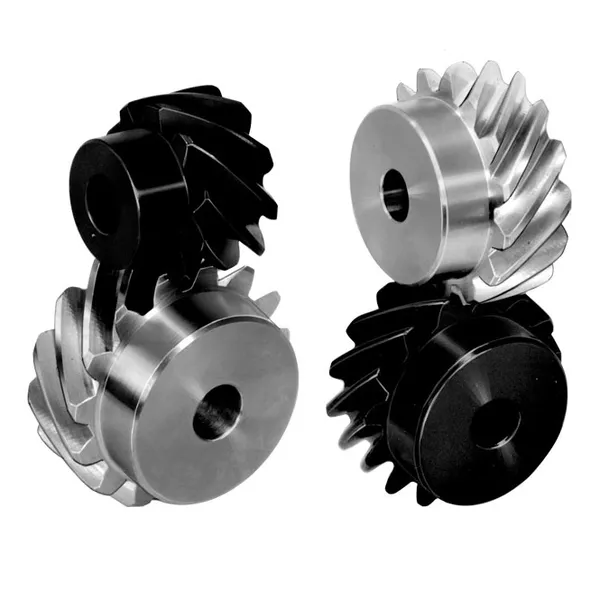
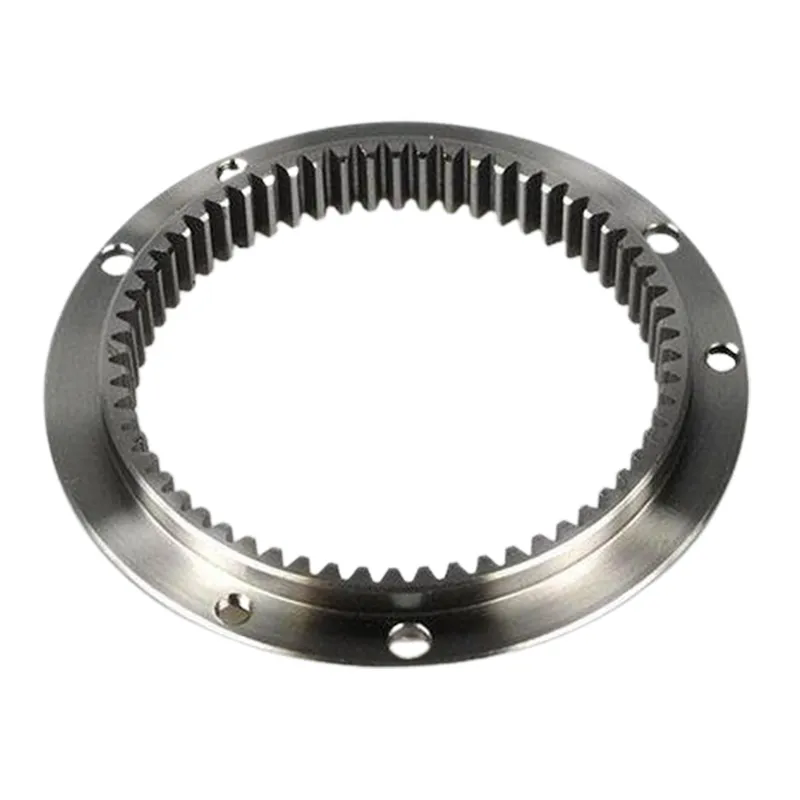
Raydafon Technology Group Co.,Limited manufactures a comprehensive range of Precision Gear products, including spur gears, helical gears, bevel gears, and internal gears, for various industrial applications. Our product line includes gears from AGMA Class 10 to Class 14 (or equivalent ISO 8 to ISO 4), with modules ranging from 0.5 to 40, and diameters up to 2,000 mm. The table below summarizes the key technical specifications for our most popular Precision Gear products, which are used in aerospace, automotive, oil and gas, and heavy machinery applications. Our factory can also produce custom gears to meet specific project requirements, including non-standard modules, special materials, and custom heat treatment.
| Precision Grade | AGMA Class / ISO Grade | Tooth Profile Accuracy (µm) | Tooth Lead Accuracy (µm) | Pitch Accuracy (µm) | Surface Roughness (Ra) µm | Grinding Method | Typical Application |
| Standard Precision | AGMA 10 / ISO 8 | +/- 15 | +/- 20 | +/- 12 | 1.6 | Hobbing + shaving | General industrial, agricultural |
| High Precision | AGMA 12 / ISO 6 | +/- 7 | +/- 10 | +/- 6 | 0.8 | Hobbing + grinding | Automotive, marine, compressors |
| Super Precision | AGMA 13 / ISO 5 | +/- 4 | +/- 6 | +/- 4 | 0.5 | Grinding (continuous) | Aerospace, robotics, turbines |
| Ultra Precision | AGMA 14 / ISO 4 | +/- 2.5 | +/- 4 | +/- 2.5 | 0.4 | Grinding + superfinishing | Optical, precision instruments |
In addition to the standard precision grades, our factory offers several optional features to further enhance gear performance. These include: special tooth modifications (tip relief, root relief, crowning) to optimize load distribution, heat treatment processes (carburizing, nitriding, induction hardening) to improve surface hardness, and special coatings (DLC, phosphate) to reduce friction and wear. We also offer custom engineering support, including gear design and analysis using advanced FEA software, to help our customers select the optimal gear for their application.
Our quality control process includes a 100 percent inspection of all critical dimensions on a CNC gear measuring center. Each gear is measured for profile, lead, pitch, and runout, and a detailed inspection report is provided with every shipment. We also conduct a magnetic particle inspection (MPI) on gears over 200 mm in diameter to detect any subsurface cracks or inclusions. Our factory at Raydafon maintains a comprehensive inventory of standard gear sizes and can provide quick turnaround for custom orders. We also offer a full range of related products, including pinions, shafts, and gearboxes, providing a one-stop solution for our customers' precision gearing needs.
Equipment reliability is ultimately measured by uptime and the total cost of ownership. Precision gears contribute to both by reducing wear, minimizing the risk of catastrophic failure, and maintaining consistent performance over extended periods. Because high-precision gears have lower transmission error and superior load distribution, they generate less heat and experience less tooth wear. This means that they can operate for longer intervals between maintenance inspections and rebuilds. Furthermore, the consistent performance of precision gears makes it easier to detect any deterioration in the system, allowing for condition-based maintenance rather than reactive repairs. Our factory has documented that the use of Precision Gear in industrial gearboxes can extend the time between scheduled overhauls by up to 50 percent, directly reducing maintenance labor and downtime.
Maintenance and reliability advantages of Precision Gear:
A case study from an oil refinery in the Middle East illustrates the maintenance benefits of precision gears. The refinery had a fleet of gear pumps that operated at 3,600 rpm and processed corrosive fluids. The original gears, AGMA Class 10, required a complete overhaul every 12 months due to wear and pitting. After replacing the gears with our Precision Gear, ground to Class 12 and with a surface finish of Ra 0.6, the overhaul interval was extended to 24 months. The refinery also reported that the precision gears maintained their performance consistency throughout the extended interval, reducing the risk of unexpected shutdowns. The maintenance manager estimated that the switch to precision gears saved the refinery over USD 120,000 annually in maintenance labor and lost production.
Our factory provides a comprehensive gear health monitoring service, where we analyze vibration data and oil samples to predict the remaining life of the gear. This service helps our customers plan their maintenance activities proactively, avoiding unplanned downtime. Additionally, we offer a gear re-grinding service for worn gears, where we restore the tooth profile and surface finish to the original precision level, providing a cost-effective alternative to gear replacement. This combination of precision manufacturing, proactive monitoring, and restoration services makes our Precision Gear products a comprehensive solution for enhancing equipment reliability and reducing maintenance costs.
Question 1: What is the difference between AGMA and ISO gear precision grades?
Answer: AGMA (American Gear Manufacturers Association) and ISO (International Organization for Standardization) both define gear precision grades, but they use different numerical scales and measurement methods. AGMA grades typically range from Class 3 (lowest precision) to Class 15 (highest precision). ISO grades range from ISO 1 (lowest) to ISO 12 (highest). For practical purposes, AGMA Class 10 corresponds approximately to ISO 8, AGMA Class 12 to ISO 6, and AGMA Class 14 to ISO 4. Both systems specify tolerances for tooth profile, lead, pitch, and runout. Our factory at Raydafon Technology Group Co.,Limited can manufacture gears to either AGMA or ISO standards and provide a cross-reference table for your convenience.
Question 2: How much efficiency improvement can be expected from upgrading to a higher precision gear?
Answer: The efficiency improvement depends on the load, speed, and the specific precision grades involved. For a typical industrial gearbox operating at moderate speeds and loads, upgrading from AGMA Class 10 to Class 12 can improve mechanical efficiency by 2 to 3 percent. This may seem small, but for a 1,000 kW gearbox, this translates to a 20-30 kW reduction in power loss, which over a year can represent a significant energy saving. At higher speeds, the efficiency gain can be even larger, as precision gears reduce churning losses and windage. We provide a detailed efficiency calculation for each customer based on their specific operating parameters.
Question 3: Are precision gears more expensive, and is the investment worth it?
Answer: Yes, precision gears are more expensive than standard gears due to the additional manufacturing processes (grinding, honing, superfinishing) and the more rigorous quality control. The cost premium can range from 30 to 100 percent depending on the precision level. However, the investment is almost always justified by the extended service life, reduced downtime, and energy savings. Our factory provides a total cost of ownership analysis for each project, comparing the initial cost with the long-term benefits. In most cases, the payback period for upgrading to precision gears is less than 2 years, after which the savings are directly realized.
Question 4: Can precision gears be repaired or reconditioned when they wear?
Answer: Yes, many precision gears can be reconditioned to extend their service life. The process typically involves re-grinding the tooth flanks to restore the profile and surface finish, and then performing a heat treatment to relieve any residual stress. The gear is then re-measured to verify that it meets the required precision level. Our factory offers a comprehensive reconditioning service that can restore worn gears to near-original performance at a fraction of the cost of a new gear. We also provide advice on when reconditioning is feasible and when replacement is the better option.
Question 5: What materials are used for precision gears, and how do they affect performance?
Answer: Precision gears are typically made from alloy steels such as 17CrNiMo6, 20MnCr5, or 18Cr2Ni4W, which are carburized and hardened to achieve a surface hardness of 58-62 HRC while maintaining a tough, ductile core. The material selection affects the gear's load-carrying capacity, impact resistance, and fatigue life. For corrosion-resistant applications, we offer gears made from stainless steel or special alloys. Our factory also offers gears with a nitrided surface, which provides high hardness with minimal distortion. We work with our customers to select the optimal material and heat treatment for their specific application, based on the load, speed, and environmental conditions.
The precision of a gear directly influences every aspect of equipment performance and reliability—from vibration and noise levels to load capacity, efficiency, and maintenance requirements. Higher precision gears reduce transmission error, distribute loads evenly, and maintain their dimensional accuracy over extended periods, resulting in smoother operation, longer component life, and lower total cost of ownership. At Raydafon Technology Group Co.,Limited, our factory has mastered the art of precision gear manufacturing, offering a comprehensive range of products from standard commercial grades to ultra-precision gears for the most demanding applications. Our commitment to quality, innovation, and customer support ensures that our gears deliver the performance and reliability that our customers expect.
Are you ready to upgrade your equipment with precision gears? Contact Raydafon Technology Group Co.,Limited today for a comprehensive gear consultation. Our team of engineers will analyze your application and recommend the optimal gear precision grade, material, and heat treatment to maximize your equipment's performance and reliability. We offer free gear design assistance, competitive pricing, and fast delivery. Request your free precision gear consultation now from Raydafon Technology Group Co.,Limited and experience the difference that true precision can make.
+86-574-87168065
Luotuo Industrial Area, Zhenhai District, Ningbo City, China