QR Code

Products
Contact Us


Fax
+86-574-87168065

E-mail

Address
Luotuo Industrial Area, Zhenhai District, Ningbo City, China


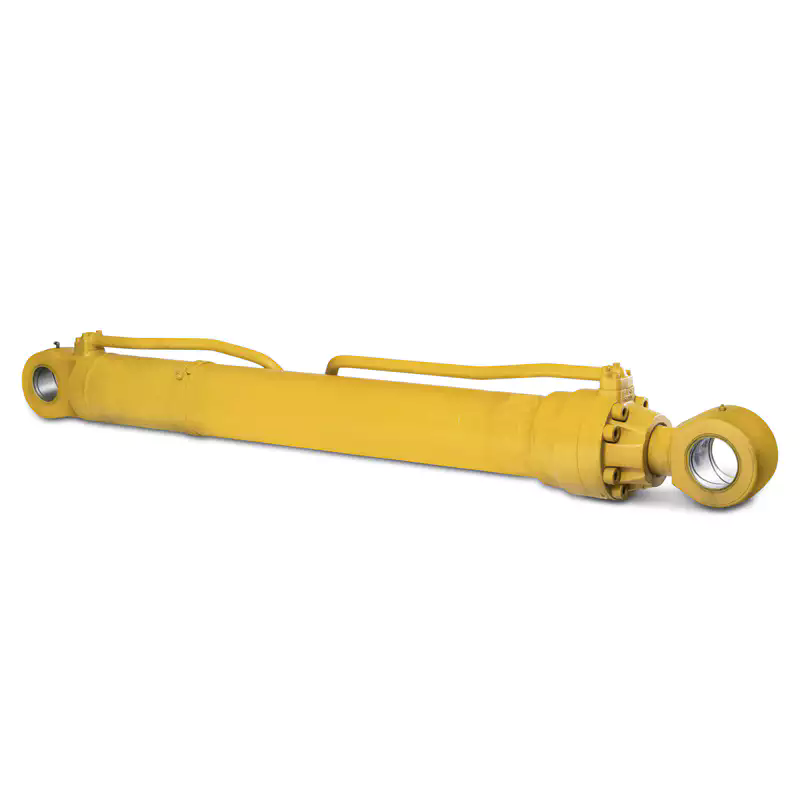
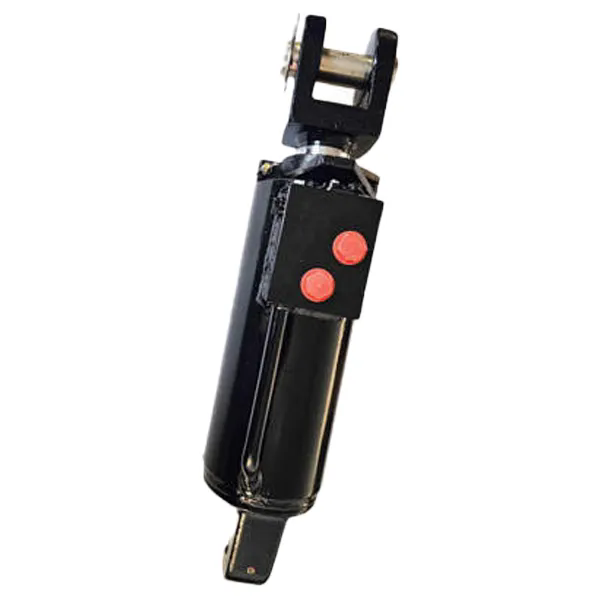
Decades of field experience reveal that hydraulic cylinders are the workhorses of industrial machinery—but their longevity hinges on proactive care, precision engineering, and operational wisdom. In this guide, we distill 20 years of hands-on expertise to help you maximize reliability and minimize downtime.
At Raydafon Technology Group Co.,Limited, our factory has engineered thousands of high-performance hydraulic cylinders that withstand extreme conditions. Yet even the most robust components require systematic attention. Whether you manage heavy construction equipment, manufacturing presses, or agricultural machinery, the principles outlined here will transform how you approach cylinder lifecycle management.
Understanding why hydraulic cylinders fail is the first step toward extending their operational life. In our decades of manufacturing and servicing hydraulic cylinders at Raydafon, we have categorized failure modes into five primary categories. Each mode directly impacts performance and, if left unchecked, leads to catastrophic breakdowns.
Our factory’s failure analysis lab examines over 2,000 returned units annually, and the data consistently highlights these dominant culprits:
Beyond these mechanical factors, operational habits such as lack of lubrication schedules, ignoring early warning signs (sluggish motion, increased temperature), and using non-OEM repair kits drastically reduce cylinder longevity. At Raydafon Technology Group Co.,Limited, our factory embeds failure mode analysis into every design review, ensuring that our hydraulic cylinders incorporate thicker chrome plating, precision-ground rods, and advanced seal geometries to resist these common killers.
To quantify durability, we rely on ISO 10771 fatigue life testing. A well-maintained cylinder should achieve 5–10 million cycles under rated load. However, without addressing failure modes, that figure can drop below 500,000 cycles. By recognizing these failure signatures early, maintenance teams can schedule interventions before total failure occurs, effectively doubling or tripling service life.
Our factory’s field data shows that facilities implementing condition-based monitoring—including ultrasonic leak detection and oil analysis—reduce cylinder-related downtime by 43% in the first year. The takeaway: proactive failure mode management is not optional; it is the foundation of hydraulic cylinder longevity.
Seals are the unsung heroes of any hydraulic cylinder. Even a perfectly machined cylinder will fail prematurely if seals are mismatched to the application or improperly maintained. At Raydafon, our factory has developed a comprehensive seal management protocol that has extended field service life by an average of 35% across customer operations.
Selecting the correct seal material and profile depends on several operating parameters. Below is a reference table summarizing our factory’s standard seal material guidelines based on application conditions. Note that these selections are validated through thousands of hours of real-world testing.
| Operating Condition | Recommended Seal Material | Key Benefit |
| Standard mineral oil, -20°C to +80°C | Nitrile (NBR) 70–90 Shore A | Excellent abrasion resistance, low compression set |
| High temperature (>100°C) or fire-resistant fluids | Fluorocarbon (FKM) / Viton | Superior thermal stability, chemical resistance |
| Water-glycol, high-moisture environments | Polyurethane (PU) with stainless steel spring energizers | Hydrolysis resistance, high tear strength |
| Extreme pressure spikes, heavy shock loads | PTFE bronze-filled with O-energizer | Zero extrusion, ultra-low friction, high load capacity |
| Food-grade / biodegradable fluids | Ethylene Propylene (EPDM) | Compatible with ester-based fluids, FDA compliant |
Beyond material selection, maintenance protocols dramatically influence seal life. Our factory-trained technicians emphasize the following seal-centric practices:
One often-overlooked aspect is the rod wiper seal. In contaminated environments, a wiper with a heavy-duty scraping lip (such as our factory’s RA series polyurethane wiper) prevents external debris from entering the seal system. When combined with a secondary dust boot for extreme applications, wiper seal life extends by 200% compared to standard configurations.
For facilities aiming to maximize hydraulic cylinder lifespan, we recommend establishing a seal replacement schedule based on cycle count rather than visual inspection alone. Our factory’s predictive algorithm uses cycle counting and temperature logging to notify maintenance teams when seals approach 80% of their estimated fatigue life. This data-driven approach eliminates unexpected leaks and keeps production lines running.
Hydraulic fluid serves three essential roles: power transmission, lubrication, and heat dissipation. When cleanliness or temperature falls outside optimal ranges, hydraulic cylinders suffer accelerated wear, reduced efficiency, and premature failure. At Raydafon Technology Group Co.,Limited, our factory has analyzed thousands of oil samples from failed cylinders, and the correlation between contamination level and cylinder life is undeniable.
Industry standards such as ISO 4406 define cleanliness codes. For industrial hydraulic cylinders operating with servo valves or tight-clearance components, we recommend a cleanliness target of ISO 16/14/11 or better. Yet many facilities operate at 18/16/13 or worse, effectively reducing cylinder life by 50–70%. Our factory integrates advanced filtration recommendations into every system design:
Temperature control is equally vital. Every 10°C increase above 60°C doubles the oxidation rate of hydraulic oil, forming sludge and varnish that adhere to cylinder internal surfaces. Varnish deposits increase friction, leading to seal sticking and piston scoring. Our factory’s thermal management best practices include:
Water contamination is another silent killer. Free water above 0.1% causes additive depletion and rust formation on cylinder rods and internal bores. Our factory routinely uses Karl Fischer water testing to ensure water content stays below 500 ppm. For applications where water ingress is unavoidable (e.g., outdoor mining), our factory recommends cylinders with corrosion-resistant coatings such as electroless nickel plating and stainless steel piston rods.
We also emphasize the importance of regular oil sampling. A typical fluid analysis program for hydraulic cylinders includes:
One case study from our factory highlights the impact: a steel mill with 30 hydraulic cylinders on a continuous caster implemented rigorous filtration and temperature control. Cylinder replacement intervals extended from 6 months to 28 months, saving over $340,000 annually in parts and labor. Clean fluid and stable temperature directly translate to extended cylinder life, lower total cost of ownership, and improved machine reliability.
Even the most precisely manufactured hydraulic cylinder will fail rapidly if subjected to improper mounting alignment or excessive side loading. Our factory’s engineering team has documented that misalignment accounts for up to 25% of all cylinder warranty claims. By addressing mounting conditions, end users can dramatically increase cylinder longevity while enhancing overall machine performance.
Mounting alignment errors manifest as eccentric loading on the piston rod. Common scenarios include:
Our factory recommends the following alignment and mounting best practices:
Load management extends beyond alignment. Overloading a cylinder—either by exceeding rated pressure or by shock loading—induces stresses that exceed material yield points. Our factory’s hydraulic cylinders are designed with a 1.5:1 safety factor for static loads, but repeated pressure spikes can cause micro-cracking in welded joints and piston threads. To manage loads effectively:
Another critical factor is stroke end cushioning. When a piston slams into the end cap at full velocity, impact forces can exceed 10 times the normal operating pressure. Our factory equips all heavy-duty hydraulic cylinders with adjustable cushioning to decelerate the piston gradually. For retrofit applications, we recommend installing external shock absorbers or flow controls to reduce end-of-stroke impact.
Field data from our factory’s customer base indicates that proper alignment and load management extend cylinder life by an average of 4.2 times compared to installations where misalignment and overloading go unaddressed. For facilities seeking maximum uptime, we suggest a biannual alignment audit using laser systems and a review of peak pressure logs to ensure the cylinder operates within its engineered envelope.
Industry leaders have moved beyond reactive repairs and calendar-based maintenance to adopt predictive and reliability-centered maintenance (RCM) strategies for hydraulic cylinders. At Raydafon Technology Group Co.,Limited, our factory collaborates with Fortune 500 manufacturers to implement advanced PM practices that consistently yield 30–50% longer cylinder service life and unplanned downtime reduction of over 60%.
These advanced practices fall into four interconnected pillars:
One standout example involves a mining corporation operating 120 hydraulic cylinders on haul truck dump bodies. By adopting our factory’s predictive maintenance program—integrating vibration sensors and oil analysis—the company reduced cylinder failures by 72% over three years. The average service life per hydraulic cylinder increased from 14 months to 38 months.
To support these advanced PM practices, our factory offers a comprehensive lifecycle management platform. This platform centralizes cylinder history, repair records, and condition data, enabling reliability engineers to make data-driven decisions. Facilities that adopt such a proactive framework not only extend the service life of hydraulic cylinders but also significantly improve safety and operational efficiency.
Extending the service life of industrial hydraulic cylinders is not a single action but a systematic approach combining superior component selection, disciplined maintenance, and continuous improvement. Throughout this guide, we have detailed the most impactful strategies: understanding failure modes, optimizing seal selection, ensuring fluid cleanliness and temperature control, maintaining perfect mounting alignment, and deploying advanced predictive practices.
At Raydafon Technology Group Co.,Limited, our factory has spent decades refining these methodologies across industries ranging from offshore drilling to automotive manufacturing. Our engineering team stands ready to assist with custom hydraulic cylinder solutions tailored to your specific operating conditions. By partnering with us, you gain access to not only high-quality hydraulic cylinders but also the expertise to make them last.
Ready to maximize your hydraulic cylinder reliability? Contact Raydafon Technology Group Co.,Limited today to schedule a free consultation. Let our factory’s specialists evaluate your current systems and deliver a customized plan to extend service life, reduce downtime, and lower total cost of ownership. Reach out now to request a quote or a site audit—because every hour of uptime counts.
A: There is no universal interval, but our factory recommends oil analysis every 500 operating hours for continuous-duty applications. Replace fluid when particle count exceeds ISO 18/16/13, water content surpasses 500 ppm, or viscosity shifts by more than 15% from original. For most industrial hydraulic cylinders, this results in fluid changes every 2,000–4,000 hours, depending on filtration effectiveness.
A: Early seal failure indicators include slower actuation speed, increased system temperature, erratic motion (stick-slip), and audible squeaking during stroke. Our factory uses ultrasonic acoustic monitoring to detect internal leakage as low as 0.1 L/min. Once identified, immediate seal replacement prevents costly bore or rod damage.
A: Absolutely. Hard chrome plating (minimum 0.05 mm thickness) provides superior wear and corrosion resistance compared to standard induction-hardened rods. For extreme environments like marine or chemical processing, our factory offers stainless steel rods (316L or 17-4 PH) that virtually eliminate pitting. The upgrade typically adds 30–50% to rod seal life.
A: Sustained temperatures above 80°C degrade seals twice as fast due to accelerated chemical aging and hardness loss. Our factory’s test data shows that for every 10°C increase above 60°C, seal life is halved. Conversely, operating below 20°C increases viscosity, leading to sluggish response and risk of cavitation. Maintaining oil between 40°C and 55°C is optimal for seal longevity and system efficiency.
+86-574-87168065
Luotuo Industrial Area, Zhenhai District, Ningbo City, China