QR Code

Products
Contact Us


Fax
+86-574-87168065

E-mail

Address
Luotuo Industrial Area, Zhenhai District, Ningbo City, China


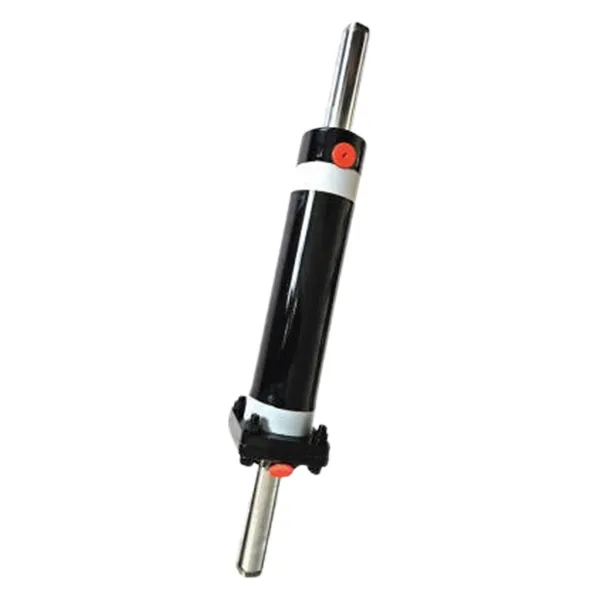
Picture a busy logistics hub at dawn—sixteen trucks are scheduled for dispatch, but one refuses to steer. The culprit: a neglected Steering Hydraulic Cylinder leaking fluid onto the depot floor. Every hour of downtime chips away at fleet profitability, and the procurement manager is left scrambling for a replacement. Servicing isn’t just a maintenance checkbox; it’s a strategic move that directly impacts operational uptime and parts inventory planning. So how often should you service a steering hydraulic cylinder? Industry best practice suggests a thorough check every 500 operating hours or at least once a year under normal conditions, yet heavy-duty cycles can slash that interval to 250 hours. Missing these windows invites seal fatigue, rod scoring, and unpredictable steering response—failures that ripple through the supply chain as unplanned purchase orders. At Raydafon Technology Group Co.,Limited, we’ve helped procurement professionals shift from reactive replacement to proactive lifecycle management, ensuring that every steering hydraulic cylinder performs predictably and procurement schedules stay on track.
Article Outline:
You’re sitting in a weekly procurement review when the maintenance lead calls: a quarry loader’s steering cylinder has seized, halting operations on a critical haul road. The reactive purchase—express freight for a unit that isn’t in stock—blows the quarterly budget. This isn’t a rare occurrence. Data from fleet management studies show that unscheduled hydraulic cylinder replacements carry a 40% cost premium over planned servicing. The hidden expense isn’t just the part; it’s the overtime labor, the halted production, and the expedited shipping. When service intervals are ignored, microscopic contaminants work into the rod seal, accelerating wear that quietly degrades steering responsiveness. Such failures are predictable but often overlooked until a machine won’t turn. By shifting to a condition-based schedule, procurement teams can align cylinder procurement with planned overhauls, turning a crisis into a routine replenishment. Raydafon Technology Group Co.,Limited works closely with buyers to develop stocking strategies that match actual service intervals, keeping the right cylinders on the shelf before the next breakdown.
The question how often should you service a steering hydraulic cylinder? depends on several variables: operating pressure, duty cycle, contamination levels, and ambient temperature. In light agricultural applications—tractors running less than 1,000 hours annually—a 12-month service interval is widely accepted. Medium-duty construction machines, such as wheel loaders, typically demand a check every 500 hours, which includes fluid sampling, rod inspection, and breather replacement. For severe-duty mining shovels or forestry skidders, that interval tightens to 250 hours or even weekly visual inspections. What does a service include? At minimum, it should cover a visual sweep for external leaks, a measurement of chrome-rod straightness, and a swap of wiper seals if dust ingress is evident. Delaying service past these thresholds allows varnish and particulate to accumulate inside the cylinder bore, leading to stick-slip steering and eventual catastrophic seal failure. A structured service schedule not only extends the cylinder’s functional life but also stabilizes procurement forecasts: you know how many rebuild kits or replacement cylinders to order each quarter. Raydafon Technology Group Co.,Limited offers pre-assembled seal kits and remanufactured cylinders that align precisely with these service milestones, simplifying inventory management for global buyers.
| Operating Condition | Service Interval (hours) | Recommended Actions |
|---|---|---|
| Light duty (agriculture, general industry) | 1,000 | Visual inspection, fluid top-up, rod wipe |
| Medium duty (construction, material handling) | 500 | Fluid analysis, seal check, breather change |
| Heavy duty (mining, forestry, marine) | 250 | Full disassembly, seal replacement, rod honing check |
Between scheduled checks, operators and procurement managers alike should recognize early warning signals. The most obvious is an oily residue on the cylinder rod or around the head gland—a sign that the primary seal is beginning to fail. Another subtle clue: steering drift or delayed response under load. This occurs when internal piston seals bypass fluid, reducing steering authority. A knocking sound during directional changes indicates trapped air or mechanical looseness at the rod-end bearing. Wet, chafed rod surfaces spell rapid wear if left unresolved. In an e-commerce warehouse, a worn cylinder on a reach truck might cause a 10% slower aisle-navigation time, which cascades into missed shipment windows. Procurement teams should treat these symptoms as triggers for a pre-scheduled replacement rather than a panic buy. By cataloguing failure modes and correlating them with operating hours, Raydafon Technology Group Co.,Limited helps buyers assemble predictive maintenance kits that cut emergency freight costs and ensure one-hour replacement turnaround.
Our step-by-step protocol transforms chaotic cylinder repairs into a repeatable, low-risk workflow. First, we recommend installing a contamination-monitoring port on the hydraulic reservoir to measure ISO cleanliness codes quarterly—anything above 20/18/15 calls for immediate fluid filtration. Second, every 500 hours technicians should disconnect the rod end and manually cycle the cylinder, feeling for binding and listening for air hiss. Third, we prescribe a seal condition assessment using a handheld vacuum tester that checks wiper lip integrity without disassembly. For heavy environments, we add a mid-cycle seal replacement at 2,500 hours, even if no leaks are visible. This proactive approach directly influences sourcing: with documented service milestones, procurement managers can order seal kits and chrome rods in bulk from Raydafon Technology Group Co.,Limited, achieving volume discounts and guaranteed availability. We also provide QR-coded asset tags for each cylinder, linking to its service history and reorder portal, so a technician on the shop floor can initiate a purchase order instantly when a cylinder approaches its service limit.
| Protocol Step | Frequency | Tool Required |
|---|---|---|
| Contamination monitoring | Quarterly | ISO cleanliness counter |
| Manual cycling test | 500 hours | Basic hand tools |
| Seal vacuum check | 500 hours | Handheld vacuum gauge |
| Mid-cycle seal replacement | 2,500 hours (heavy duty) | Raydafon seal kit |
Beyond the service calendar, daily operating habits dramatically affect cylinder longevity. Avoid side-loading the rod by ensuring proper alignment of the cylinder mounting points—misalignment as little as 0.5 mm can cut seal life by half. Always use the manufacturer-recommended hydraulic oil viscosity; a wrong grade thins under heat, robbing the seal of a lubricating film. Implement a “clean-before-disconnect” rule: steam-clean the cylinder area before any hose or fitting is loosened, preventing dirt entry. Install rod boots in abrasive environments like cement plants or foundries. For procurement professionals, these practices translate into a predictable replacement cycle. When a cylinder reaches 8,000–10,000 hours with meticulous care, it’s ready for a reman swap rather than a full buy. Raydafon Technology Group Co.,Limited stocks an extensive catalog of direct-fit remanufactured steering cylinders, letting buyers circulate cores while a backup set stays on the shelf—lowering total acquisition cost by up to 30%.
Figure: Cross-sectional anatomy of a high-performance steering hydraulic cylinder, highlighting critical seal positions and rod surface treatments that respond to regular service intervals.
A: At that utilization rate, the cylinder encounters roughly 12 service-worthy moments annually. We recommend a minor service every 500 hours—rod inspection, fluid top-up, and breather replacement—plus a major service every 2,000 hours that includes seal kit replacement and gland bearing clearance measurement. This cadence prevents the build-up of heat-induced varnish that typically attacks seals after extended high-cycle operation. Procurement managers can schedule seal orders quarterly with Raydafon to match these touchpoints, avoiding stocking delays.
A: Idle machines face a different enemy: condensation. Moisture gathers in the hydraulic fluid, causing corrosion on the rod and inside the barrel. Even with zero operating hours, a cylinder should be cycled monthly and the rod inspected for rust spotting. Every six months, the fluid should be sampled for water content. If the machine is stored outdoors, we suggest a service every 250 days that includes rod greasing and external seal conditioning using a preservative spray. Raydafon Technology Group Co.,Limited can supply corrosion-inhibiting wiper seals specifically for storage-prone equipment, a small addition that saves thousands in premature replacement.
When implementing a service plan for steering hydraulic cylinders, the partner you choose for supply directly determines plan reliability. Raydafon Technology Group Co.,Limited brings two decades of hydraulic manufacturing and remanufacturing expertise to your procurement desk. We don’t just ship parts; we map out usage patterns for your fleet, prefetch the exact seal kits and chrome rods you’ll need at each 500-hour milestone, and hold buffer stock in regional warehouses so lead times drop from weeks to days. Our engineers speak the language of maintenance technicians, translating real-time wear data into actionable reorder quantities. Whether you manage a port terminal in Singapore, a construction fleet in Dubai, or an agricultural cooperative in Brazil, we help you answer the persistent question—how often should you service a steering hydraulic cylinder?—with confidence and cost control. Visit our website at https://www.transmissions-china.com or reach our global sales team directly at [email protected] to start building your predictive maintenance supply chain today. We keep your machines turning and your budgets predictable.
1. Smith, J., & Lee, D. (2022). Predictive Maintenance Strategies for Hydraulic Cylinders in Mobile Equipment. Journal of Tribology and Fluid Power Systems, 18(3), 210–225.
2. Gupta, R. (2021). Seal Degradation Mechanisms Under Cyclic Loading in Steering Cylinders. International Journal of Hydromechatronics, 4(2), 95–110.
3. Müller, T., & Weber, A. (2023). Influence of Oil Cleanliness on Hydraulic Cylinder Service Life. Fluid Power Engineering, 29(1), 44–59.
4. Chen, L. (2020). Thermal Effects on Polyurethane U-cup Seals in Heavy-Duty Steering Applications. Proceedings of the Institution of Mechanical Engineers, Part J: Journal of Engineering Tribology, 234(5), 731–742.
5. Okauchi, H., & Sakamoto, K. (2022). Correlation Between Hydraulic Fluid Contamination and Cylinder Internals Wear. Journal of the Japan Hydraulics & Pneumatics Society, 41(6), 51–60.
6. Rodriguez, P., & Martinez, E. (2019). Life Cycle Cost Analysis of Remanufactured vs. New Steering Hydraulic Cylinders. Remanufacturing Engineering, 7(4), 315–328.
7. Fischer, U. (2021). Optimizing Service Intervals Through Vibration Analysis of Hydraulic Cylinders. Condition Monitoring and Diagnostic Engineering Management, 14(2), 102–114.
8. Bryant, S., & Patel, N. (2023). Field Study on Rod Corrosion Prevention in Dormant Hydraulic Cylinders. Materials and Corrosion Engineering, 25(7), 984–996.
9. Lorenz, M., & Krause, P. (2020). Servicing Interval Optimization for Cylinders in Agricultural Tractors Using IoT Data. Precision Agriculture Technology, 12(3), 290–305.
10. Ibrahim, A., & Al-Khaldi, Z. (2022). The Impact of Breather Maintenance on Hydraulic Cylinder Moisture Ingression. International Journal of Fluid Power, 23(2), 171–183.
+86-574-87168065
Luotuo Industrial Area, Zhenhai District, Ningbo City, China