QR Code

Products
Contact Us


Fax
+86-574-87168065

E-mail

Address
Luotuo Industrial Area, Zhenhai District, Ningbo City, China


A hydraulic cylinder may look like a simple linear actuator, but for equipment owners, purchasing teams, and machine builders, it often becomes the component that determines whether a machine runs smoothly or becomes a constant maintenance burden. When the wrong cylinder is selected, common problems appear fast: oil leakage, unstable movement, weak output force, poor sealing under pressure, short service life, and long downtime during replacement.
This article explains what really matters when choosing a hydraulic cylinder, how to identify pain points before they become failures, and what buyers should expect from a reliable manufacturing partner. It also discusses material strength, sealing quality, application matching, customization, and long-term cost control. With support from practical manufacturing experience, Raydafon Technology Group Co.,Limited helps customers move from price-only purchasing to performance-based decision making.
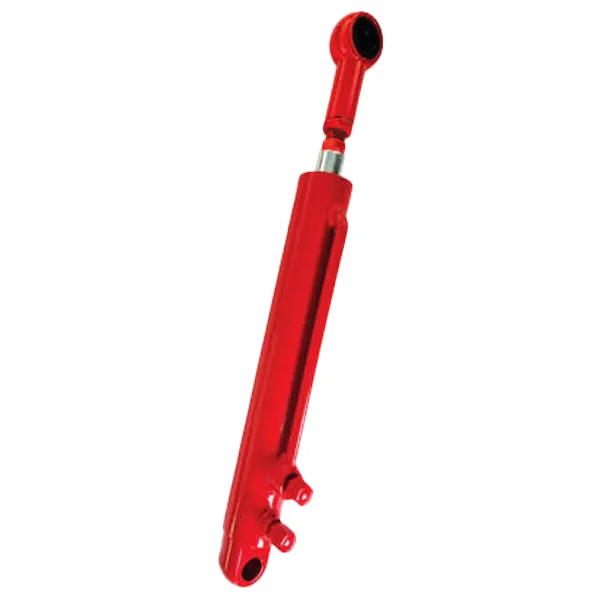
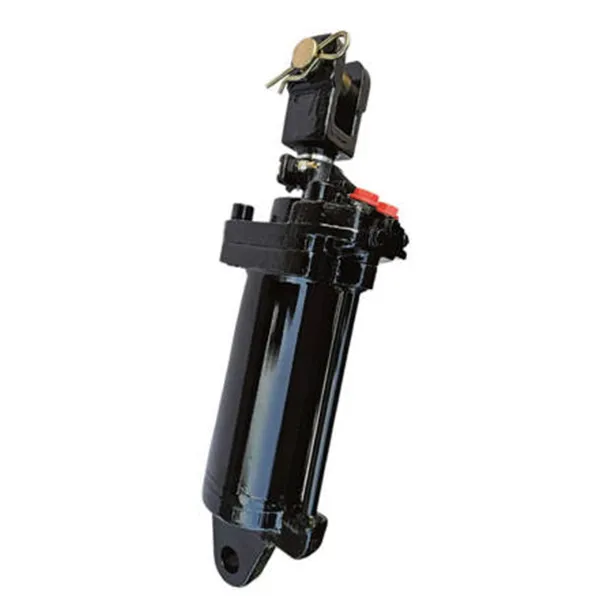
A hydraulic cylinder is the working muscle behind many machines that lift, push, pull, tilt, clamp, dump, steer, and position loads. In theory, the function is straightforward: hydraulic pressure enters the cylinder, the piston moves, and force is converted into controlled linear motion. In practice, however, the quality of that motion depends on far more than basic structure.
When a cylinder is well designed, the machine feels stable, responsive, and dependable. Movement stays smooth under load. Sealing remains intact under repeated pressure cycles. The rod surface resists wear. The barrel handles pressure without distortion. Maintenance intervals become more predictable. That is why a hydraulic cylinder is not just a replaceable accessory. It is a performance-defining component.
For machine manufacturers and end users alike, this matters because failure rarely stays isolated. Once a cylinder leaks or loses force, the entire system suffers. Production slows down, accuracy declines, and operators lose confidence in the equipment. In demanding sectors such as construction machinery, agricultural equipment, lifting systems, and industrial presses, the cost of cylinder failure often spreads beyond the part itself.
A reliable hydraulic cylinder should support:
Many customers do not struggle because they lack demand. They struggle because the market is full of products that look similar while performing very differently after installation. A cylinder may appear acceptable in photos or on a quotation sheet, yet fail quickly once exposed to dust, humidity, vibration, side load, or continuous duty.
The most common customer pain points usually include premature oil leakage, damaged rod surfaces, weak pressure resistance, inconsistent stroke performance, slow response from suppliers, and poor compatibility with existing machinery. Some buyers are also forced into expensive redesigns because a standard product does not match the mounting method, bore size, stroke length, or operating environment of their equipment.
Another hidden pain point is buying on unit price alone. A cheaper cylinder may reduce the first purchase cost, but repeated shutdowns, replacement labor, fluid loss, freight, and customer complaints can make it far more expensive over time. Serious buyers want more than a low quote. They want a product that protects uptime.
| Customer Pain Point | What Usually Causes It | What Buyers Should Look For |
|---|---|---|
| Frequent oil leakage | Poor sealing design, low-grade seal materials, rough machining | Optimized seal system, precise tolerances, proven pressure stability |
| Short service life | Weak raw materials, poor rod treatment, insufficient testing | High-strength materials, durable rod finishing, quality inspection |
| Unstable movement | Poor dimensional control, internal friction, mismatch with load | Application-based design and accurate specification confirmation |
| Replacement difficulties | Non-standard interfaces or incomplete technical support | Customization ability and responsive engineering communication |
| High total maintenance cost | Buying by price only without considering operating conditions | Long-term reliability, after-sales support, and consistent supply |
A good purchasing decision starts with asking better questions. Instead of only checking the model number, buyers should evaluate the working pressure, application type, duty cycle, installation style, environmental conditions, stroke requirement, bore size, rod diameter, and sealing expectations. The more closely the product matches actual operating conditions, the more value it will deliver after installation.
Material choice is especially important. A strong barrel and rod help the hydraulic cylinder withstand pressure and repeated impact. Sealing is equally critical because even small leakage can affect efficiency and cleanliness while gradually damaging nearby components. Surface treatment also deserves attention. In abrasive or wet environments, protection against corrosion and wear directly affects service life.
Buyers should also ask whether the supplier can handle non-standard requirements. In real projects, standard dimensions often do not solve the problem completely. A supplier with customization capability can help adjust mounting ends, pressure ratings, strokes, or structure details to fit specific machines more accurately.
Before ordering a hydraulic cylinder, confirm these points:
The value of a hydraulic cylinder becomes even clearer when viewed through real application needs. In construction equipment, it must provide strong output and stable control under shock loads and dirty environments. In agricultural machinery, it needs to support precise motion while resisting moisture, mud, and long seasonal use. In industrial manufacturing, it should maintain repeatability and smooth control to support continuous production.
It also plays an essential role in trucks, lifting systems, mobile cranes, aerial platforms, steering systems, and material handling equipment. Each field has its own pressure patterns, installation constraints, and service expectations. That is why one cylinder design rarely fits every machine equally well.
Raydafon Technology Group Co.,Limited focuses on delivering hydraulic cylinder solutions that serve a wide range of machinery applications. For customers, that means the sourcing process can move beyond generic catalog selection and toward products that better match actual working conditions.
| Industry | Typical Requirement | Value of a Suitable Hydraulic Cylinder |
|---|---|---|
| Construction machinery | High load, impact resistance, outdoor use | Improves force delivery and operational stability |
| Agricultural machinery | Moisture resistance, reliable lifting and turning | Supports efficient field work and easier maintenance |
| Industrial equipment | Repeatable motion, continuous operation | Helps maintain productivity and process consistency |
| Transport and lifting equipment | Safe extension, controlled motion, long duty cycles | Enhances safety and reduces failure-related downtime |
Customization matters because real equipment rarely behaves like a standard catalog drawing. Space limitations, special mounting points, unique stroke lengths, higher sealing demands, and regional operating conditions all affect the final specification. A hydraulic cylinder that is almost correct can still create serious installation or durability problems.
Buyers often discover this only after delivery, when a part does not align properly or performs poorly under live conditions. That is why responsive engineering support is not a luxury. It is part of risk control. A capable manufacturer should be able to review drawings, discuss application details, and recommend design adjustments before production starts.
For OEM buyers in particular, customization also supports brand reputation. When the cylinder fits the machine properly and performs consistently, the end customer associates that reliability with the equipment brand itself. That is one of the reasons long-term buyers usually prefer stable manufacturing partners over random low-price vendors.
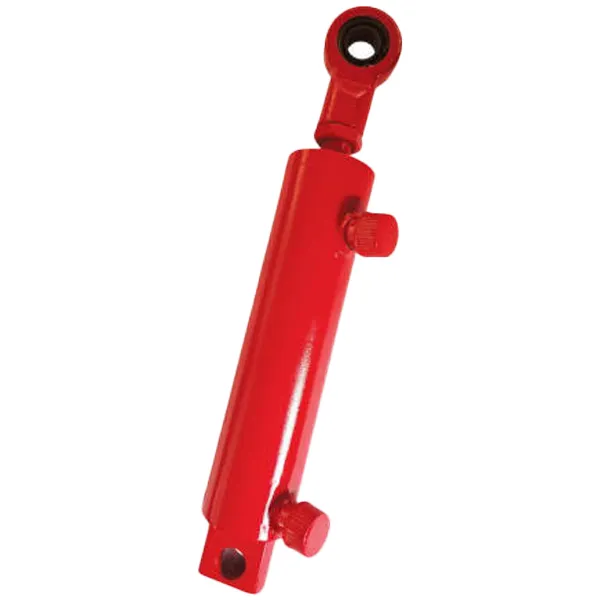
The right supplier does more than ship a part. A dependable supplier helps reduce failure risk, protects delivery schedules, supports technical clarification, and maintains more consistent quality across repeat orders. This directly influences total operating cost because the real cost of a hydraulic cylinder includes far more than the invoice price.
Downtime, unscheduled maintenance, fluid leakage cleanup, labor for replacement, delayed projects, and customer dissatisfaction all add to the cost of a poor sourcing decision. By contrast, a well-made hydraulic cylinder with strong materials, optimized sealing, and application-focused design can create better value even if the initial price is not the lowest in the market.
This is where manufacturing experience becomes meaningful. A supplier that understands cylinders not only as products, but as working components inside demanding machines, can help buyers avoid expensive mistakes. With broad production capability, practical customization support, and a focus on dependable performance, Raydafon Technology Group Co.,Limited is positioned to support customers who want both quality and long-term cost control.
Choosing a hydraulic cylinder should never be treated as a routine purchase. It is a decision that affects equipment force, motion quality, uptime, maintenance frequency, and the user experience of the entire machine. Buyers who look beyond the surface will usually find that the best cylinder is not simply the cheapest one or the easiest one to find. It is the one that matches the application, holds up under real working conditions, and comes from a supplier able to support long-term performance.
If your current equipment suffers from leakage, weak motion, unstable performance, or frequent replacement cycles, it may be time to reassess the hydraulic cylinder itself rather than only treating the symptoms. The right choice can improve efficiency, reduce maintenance pressure, and create more confidence in every working cycle.
Q1: What is the main function of a hydraulic cylinder?
A hydraulic cylinder converts hydraulic pressure into linear mechanical force. It helps machines lift, push, pull, tilt, clamp, and control motion in a stable and efficient way.
Q2: How do I know whether I need a custom hydraulic cylinder?
You may need customization if your machine has special mounting dimensions, non-standard stroke requirements, unique pressure conditions, or demanding environmental factors that standard products cannot fully satisfy.
Q3: Why does a hydraulic cylinder start leaking oil?
Common causes include damaged seals, poor machining accuracy, contamination, rod surface wear, excessive pressure, or selecting a cylinder that does not match the operating conditions of the equipment.
Q4: What should I check before buying a hydraulic cylinder?
You should confirm the bore size, stroke, rod diameter, pressure range, mounting style, working environment, and required service life. It is also helpful to check whether the supplier can provide technical communication and custom support.
Q5: Which industries commonly use hydraulic cylinders?
Hydraulic cylinders are widely used in construction machinery, agricultural equipment, industrial manufacturing systems, lifting devices, transport vehicles, material handling equipment, and many other heavy-duty applications.
Q6: Is a lower-priced hydraulic cylinder always a better buying choice?
Not necessarily. A lower upfront price can turn into a higher long-term cost if the cylinder causes downtime, leakage, frequent replacement, or maintenance issues. Reliability and application fit are often more important than the initial quotation alone.
Looking for a hydraulic cylinder that truly fits your machinery, performs reliably under pressure, and helps you reduce maintenance trouble over time? Raydafon Technology Group Co.,Limited is ready to support your sourcing needs with dependable manufacturing capability and practical product solutions. Contact us today to discuss your project, request technical assistance, or get a tailored quotation for your next hydraulic cylinder order.
+86-574-87168065
Luotuo Industrial Area, Zhenhai District, Ningbo City, China