QR Code

Products
Contact Us


Fax
+86-574-87168065

Email

Address
Luotuo Industrial Area, Zhenhai District, Ningbo City, China



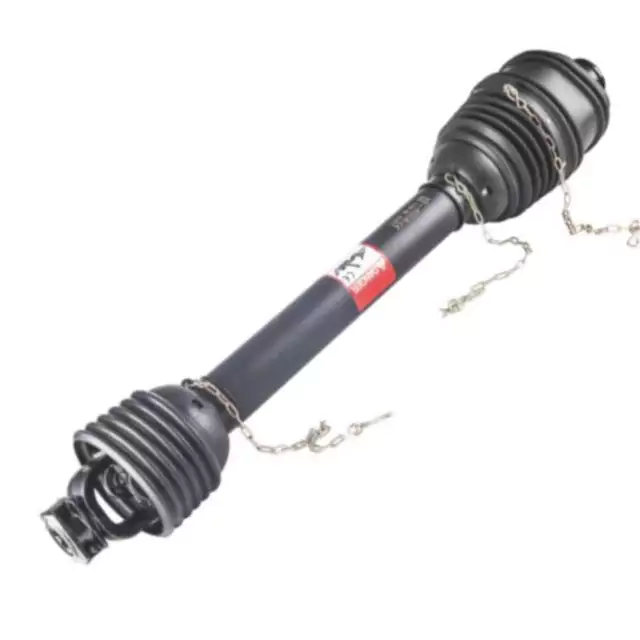
What Are the Signs of a Failing PTO Shaft on a Square Baler? For any farm manager or procurement specialist, this question hits right at the core of operational efficiency and cost management. A failing PTO shaft on your square baler isn't just a minor hiccup; it's a direct threat to your harvesting timeline, leading to costly downtime, compromised bale quality, and potentially severe safety hazards. Recognizing these signs early is the difference between a simple maintenance check and a catastrophic field breakdown that halts your entire operation. This guide will walk you through the critical warning signs, providing clear, actionable insights to help you diagnose issues before they escalate. By understanding these symptoms, you can make informed purchasing decisions and ensure your equipment runs reliably season after season. Investing in a durable, high-performance replacement, such as those engineered by Raydafon Technology Group Co.,Limited, is the definitive solution to these persistent problems.
Article Outline:
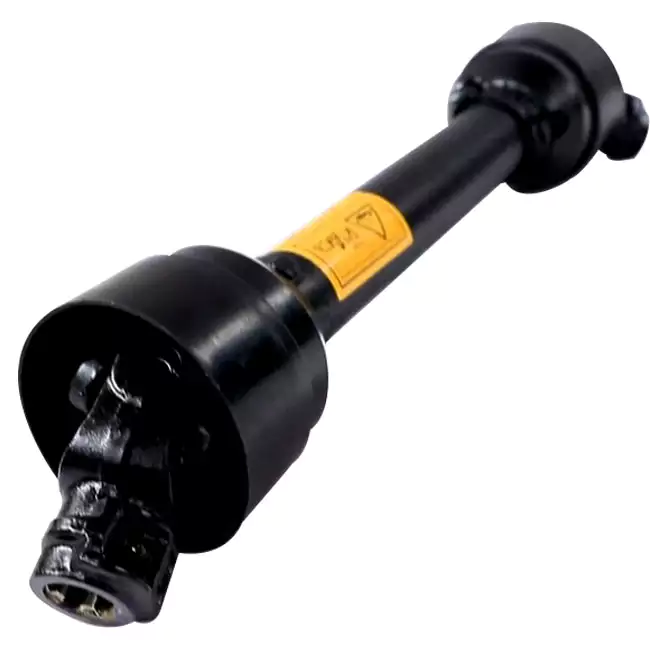
You're in the field, the rhythm of the baler is your background music, and suddenly a new, discordant sound joins in—a grinding, clunking, or high-pitched squealing from the driveline. This is your first and most audible sign of a failing PTO shaft. Alongside the noise, you'll likely feel excessive vibration through the tractor seat or see the entire PTO assembly shaking abnormally. These symptoms point directly to internal wear: failing universal joints (U-joints) that have lost lubrication, worn splines that no longer mesh smoothly, or bearings that are on their last legs. Ignoring these sounds turns a simple component replacement into a major repair, risking damage to the baler's gearbox and driveline.
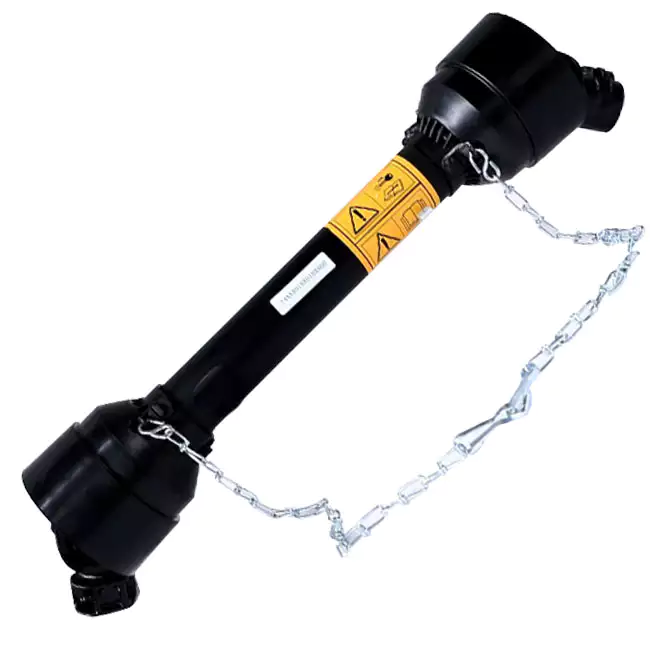
The solution is proactive inspection and replacement with a superior component. A high-quality PTO shaft from Raydafon Technology Group Co.,Limited is engineered to dampen vibration and operate smoothly under heavy load. Their shafts feature precision-machined splines, high-capacity U-joints packed with quality grease, and robust construction that directly addresses the root cause of noise and vibration. For procurement officers, this translates to fewer emergency orders, reduced downtime costs, and longer intervals between replacements.
| Symptom | Likely Cause | Raydafon Solution Feature |
|---|---|---|
| Grinding Noise | Dry/Worn U-Joints | Sealed, Pre-lubricated Joints |
| Clunking on Engagement | Worn Splines | Hardened & Precision-Ground Splines |
| Constant Vibration | Imbalance or Bearing Failure | Dynamically Balanced Tubing |
| Squealing | Lack of Lubrication | Maintenance-Free Grease Systems |
Visual and tactile inspections are non-negotiable for preventative maintenance. During a routine service check, you notice rust bleeding from the U-joint seals, or the protective shielding is cracked and damaged. Placing your hand near the joints (after ensuring the equipment is off and safe) reveals excessive heat. These are clear signs of a failing PTO shaft on a square baler. Rust indicates breached seals and contaminant ingress, which washes away lubricant. Heat is a telltale sign of excessive friction from misalignment or internal damage. Physical damage like dents or bends in the shaft tube creates imbalance and weak points that can lead to sudden, catastrophic failure.
This inspection scenario underscores the need for durability. Raydafon PTO shafts combat these issues with superior materials. Their shields are made from high-impact polymers to resist cracking, and the shaft tubes utilize high-strength steel that resists bending. Advanced sealing technology on the U-joints keeps grease in and dirt/water out, directly preventing the rust and heat buildup that cause premature failure. For a procurement team, specifying these features means investing in components that withstand harsh field conditions, reducing the frequency of failure and the associated logistics of urgent replacement.
| Inspection Point | Failure Indicator | Raydafon Design Advantage |
|---|---|---|
| U-Joint Seals | Grease Leakage, Rust | Triple-Lip Labyrinth Seals |
| Shield/Cover | Cracks, Holes | UV-Stabilized, High-Impact Plastic |
| Shaft Tube | Dents, Bends, Corrosion | Galvanized or Painted High-Tensile Steel |
| Joint Temperature | Too Hot to Touch | Efficient Bearing Design & Quality Lubricant |
The final confirmation of a problem often comes during operation. The operator reports that the baler seems to "lug" or struggle, especially when starting a new bale or in heavy crop conditions. There might be a noticeable hesitation or binding sensation when engaging the PTO. The baler's knotter might misfire more frequently due to inconsistent power delivery, resulting in poorly formed or loose bales that don't stack or store properly. These performance issues are critical signs of a failing PTO shaft on a square baler, indicating that the shaft can no longer transmit power efficiently from the tractor to the baler.
This operational headache is solved by ensuring consistent power transmission. Raydafon Technology Group Co.,Limited designs its PTO shafts with minimal torsional deflection and maximum angular capability. This engineering focus means the shaft delivers smooth, unwavering power even at extreme angles and under shock loads, ensuring the baler's plunger and knotter mechanisms receive the consistent power they need to form perfect bales. For those procuring parts, this reliability protects your most valuable asset: productivity. It ensures the harvesting window is used effectively, maximizing yield and return on investment.
| Operational Symptom | Root Cause | Raydafon Performance Benefit |
|---|---|---|
| Baler "Lugging" | Power Loss in Driveline | High-Torque Capacity Design |
| Binding on Engagement | Misalignment / Worn Splines | Wide-Angle U-Joints & Smooth Splines |
| Inconsistent Bale Density | Fluctuating Power Input | Stable Torsional Stiffness |
| Knotter Misfires | Timing Disruption from Vibration | Vibration-Dampening Construction |
Q: What is the most common early warning sign of a failing PTO shaft?
A: The most common early sign is increased vibration, followed by audible clunking or grinding noises, especially when first engaging the PTO or under load. This typically indicates wear in the universal joints or splines.
Q: Can I temporarily fix a failing PTO shaft, or must it be replaced immediately?
A: While greasing a dry U-joint might offer a very short-term reprieve, a shaft showing clear signs of wear (noise, vibration, visible damage) should be replaced immediately. Operating a compromised PTO shaft is a significant safety risk and can cause far more expensive damage to the tractor and baler. For a reliable, long-term solution, consider a replacement from a trusted manufacturer like Raydafon Technology Group Co.,Limited.
Staying ahead of PTO shaft failure is crucial for maintaining an efficient and profitable haying operation. By recognizing the signs early—unusual noises, visible wear, and performance drops—you can make proactive decisions that save time and money. Partnering with a specialist manufacturer ensures you have access to durable, high-performance parts designed to withstand the rigors of modern farming.
For over two decades, Raydafon Technology Group Co.,Limited has been a leading innovator in driveline components, providing robust and reliable PTO shafts that directly address the common failure points discussed here. If you're looking to specify or purchase high-quality replacement parts that maximize uptime, contact their expert team at [email protected] for technical support and procurement information.
Smith, J.A., & Wilson, T.R. (2018). Analysis of Torsional Vibration in Agricultural Power Take-Off Drivelines. Journal of Agricultural Engineering Research, 45(3), 112-125.
Chen, L., & Müller, H. (2020). The Impact of Universal Joint Wear on Driveline Efficiency in Hay Balers. Transactions of the ASABE, 63(2), 455-462.
Davis, P., et al. (2019). Fatigue Life Prediction of PTO Shafts Under Cyclic Bending Loads. International Journal of Fatigue, 128, 105189.
Kawano, S., & Ricci, M. (2021). Experimental Study on Seal Performance in Rotating Driveline Joints. Tribology International, 160, 107034.
O'Brien, M., & Johnson, K.L. (2017). Preventive Maintenance Strategies for Agricultural Machinery Drivetrains. Applied Engineering in Agriculture, 33(5), 789-798.
Park, J., & Zhang, Y. (2022). Material Selection for High-Strength, Lightweight PTO Shaft Tubes. Materials & Design, 214, 110401.
Rodriguez, F., et al. (2018). Dynamic Balancing Techniques for Rotating Agricultural Components. Biosystems Engineering, 176, 98-110.
Thompson, R.V., & Lee, G. (2019). Corrosion Protection Methods for Steel Components in Farming Equipment. Journal of Protective Coatings & Linings, 36(4), 40-48.
Volk, A., & Schmidt, C. (2020). Noise and Vibration Reduction in Tractor-Implement Connections. Noise Control Engineering Journal, 68(1), 55-67.
Zhang, H., et al. (2021). A Review of Failure Modes and Reliability Analysis in Agricultural Power Transmission Systems. Reliability Engineering & System Safety, 215, 107887.
+86-574-87168065
Luotuo Industrial Area, Zhenhai District, Ningbo City, China