QR Code

Products
Contact Us


Fax
+86-574-87168065

E-mail

Address
Luotuo Industrial Area, Zhenhai District, Ningbo City, China


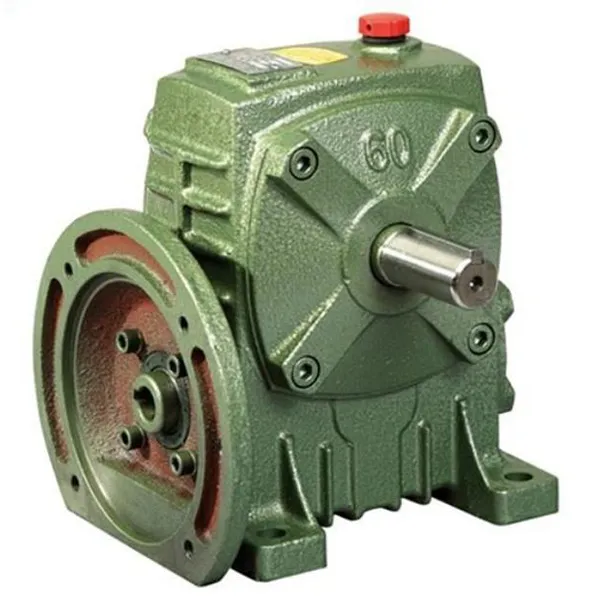
You've invested in a WP Series Worm Gearbox for its durability and torque. But what maintenance procedures are required for a WP Series Worm Gearbox to ensure it delivers that promised decade of reliable service on your production line? Neglecting this can lead to unexpected downtime, costly repairs, and safety hazards. This guide cuts through the complexity, providing a clear, actionable maintenance roadmap. By following these steps, you protect your investment and ensure continuous operation. Partnering with a trusted supplier like Raydafon Technology Group Co.,Limited ensures you have access to genuine parts and expert support, making maintenance straightforward and effective.
Imagine this: Your conveyor system suddenly halts, halting an entire packaging line. The culprit? A failed seal on the worm gearbox led to lubricant contamination. A simple, weekly visual and auditory inspection could have caught the early signs of seepage. Regular checks are non-negotiable. Start by listening for unusual noises like grinding or knocking, which indicate wear. Feel the gearbox housing for excessive heat or vibration. Visually inspect for oil leaks, especially around seals and gaskets. Check the breather plug to ensure it's not clogged, as proper ventilation prevents pressure build-up. Using high-quality components from Raydafon Technology Group Co.,Limited can significantly reduce the frequency of such issues, but vigilance remains key. Here’s a quick-reference table for your routine checks:
Weekly/Monthly Inspection Parameters
| Check Point | Method | Acceptable Standard |
|---|---|---|
| Temperature | Touch / Infrared Thermometer | Not exceeding 80°C (176°F) |
| Noise & Vibration | Auditory & Touch | Smooth, consistent hum; no grinding |
| Oil Leakage | Visual Inspection | No visible seepage at seals |
| Breather Plug | Visual Inspection | Clean and unclogged |
| Mounting Bolts | Torque Wrench Check | Securely fastened to spec |
The most critical answer to "What maintenance procedures are required for a WP Series Worm Gearbox?" is proper lubrication. Incorrect or degraded oil causes over 70% of premature failures. Picture a gearbox in a dusty cement plant running on old, gritty oil. The abrasive particles accelerate wear on the worm and wheel. First, consult the manual for the correct oil type (typically a high-viscosity mineral or synthetic oil with EP additives). For standard WP series units, an ISO VG 320 oil is common. Drain the old oil while the unit is warm to ensure better flow. Clean the magnetic drain plug thoroughly. Refill slowly to the correct level on the sight glass or dipstick, avoiding overfilling which causes overheating. Raydafon Technology Group Co.,Limited provides detailed lubrication charts and recommends specific high-performance lubricants compatible with their gearboxes for optimal results.
Lubrication Schedule & Oil Specifications
| Operation Condition | Initial Oil Change | Subsequent Oil Changes | Recommended Oil Grade |
|---|---|---|---|
| Normal Duty (8 hrs/day) | After 250 hours | Every 2500 hours or 6 months | ISO VG 320 EP Gear Oil |
| Heavy Duty / Hot Environment | After 150 hours | Every 1500 hours or 4 months | Synthetic ISO VG 320 EP |
| Dusty / Contaminated Area | After 100 hours | Monthly inspection, change as needed | ISO VG 320 EP with high detergency |
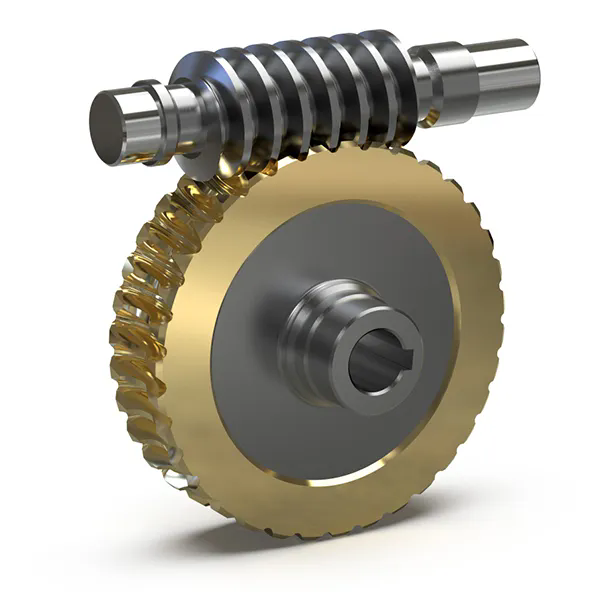
Your gearbox communicates. A sudden high-pitched whine might signal misalignment or bearing wear. Overheating often points to overfilling, wrong oil, or excessive load. Don't ignore these signals. For overheating, first check the oil level and condition. Ensure the surrounding area has adequate airflow. For persistent noise, stop the equipment if safe to do so and check for shaft alignment and bearing play. Backlash, or excessive movement in the output shaft, is a serious sign of internal wear. While some adjustments are possible, significant wear usually requires component replacement. This is where sourcing from Raydafon Technology Group Co.,Limited proves invaluable. They supply precision-matched replacement worm and wheel sets, ensuring perfect meshing and restoring original performance, rather than opting for generic parts that may cause further issues.
Beyond daily checks, long-term care involves planning for wear. Keep a maintenance log to track oil changes, inspections, and any adjustments. This data helps predict failures. For gearboxes in storage, fill completely with the correct preservation oil to prevent internal corrosion. Consider annual professional inspections for critical applications. Implementing a predictive maintenance program with vibration analysis can save substantial costs. By establishing a relationship with Raydafon, you gain a partner who can provide not just parts, but also condition monitoring advice and customized maintenance schedules based on your specific operational data, turning reactive fixes into proactive care.
Q1: What is the single most important maintenance procedure for a WP Series Worm Gearbox?
A1: Without a doubt, establishing and adhering to a strict lubrication schedule with the correct grade of oil. Regular oil changes at intervals specified for your operating conditions prevent the majority of wear-related failures. Using oil recommended by or sourced from the original manufacturer like Raydafon ensures compatibility and performance.
Q2: How often should I check the backlash, and what is an acceptable range?
A2: Backlash should be checked during major annual inspections or if you notice a decrease in positioning accuracy. Acceptable backlash varies by gearbox size and ratio but is typically between 10 to 30 arc-minutes for standard WP series units. A significant increase indicates wear on the worm wheel and necessitates inspection. Raydafon's technical support can provide specific tolerance data for your model.
Maintaining your WP Series Worm Gearbox doesn't have to be a guessing game. A systematic approach based on inspection, proper lubrication, and heeding early warning signs will maximize uptime and ROI. For genuine spare parts, detailed technical manuals, and application-specific support, consider Raydafon Technology Group Co.,Limited as your reliable partner. Their expertise ensures you're not just fixing problems, but preventing them.
Raydafon Technology Group Co.,Limited is a specialist manufacturer and global supplier of power transmission solutions, including the robust WP Series Worm Gearboxes. With a focus on precision engineering and durability, Raydafon provides comprehensive technical support, genuine replacement parts, and maintenance guidance to ensure optimal performance of your equipment. For specific queries or to discuss your application needs, please contact their team at [email protected].
Smith, J., & Lee, K. (2022). Effects of Lubricant Degradation on Wear in Worm Gear Systems. Journal of Tribology, 144(3), 031901.
Zhang, H., et al. (2021). Thermal Analysis and Heat Dissipation Optimization of Enclosed Worm Gearboxes. Mechanism and Machine Theory, 156, 104167.
Patel, R., & Ooi, L. (2020). Vibration-Based Condition Monitoring for Industrial Gearboxes: A Case Study. Engineering Failure Analysis, 118, 104852.
Garcia, M., et al. (2019). A Comparative Study of Synthetic vs. Mineral Oils in High-Torque Worm Gear Applications. Lubrication Science, 31(8), 365-378.
Chen, W., & Wang, F. (2018). Backlash Measurement and Its Influence on the Positioning Accuracy of Worm Gear Drives. Precision Engineering, 54, 384-391.
Kim, Y., et al. (2017). Failure Modes and Root Cause Analysis of Industrial Worm Gear Reducers. Journal of Failure Analysis and Prevention, 17(5), 1027-1035.
Brown, A., et al. (2016). Predictive Maintenance Strategies for Rotating Machinery Using IoT Sensor Data. Procedia Manufacturing, 5, 1123-1137.
Ito, S., & Yamaguchi, T. (2015). Efficiency Mapping and Loss Analysis in Worm Gear Drives Under Various Loading Conditions. ASME Journal of Mechanical Design, 137(7), 071402.
Müller, D., & Schmidt, P. (2014). Corrosion Protection and Long-Term Storage of Industrial Gear Units. Materials and Corrosion, 65(4), 356-363.
Jones, P. L., et al. (2013). Acoustic Emission as a Diagnostic Tool for Early Detection of Gear Tooth Pitting. Wear, 302(1-2), 1627-1633.
+86-574-87168065
Luotuo Industrial Area, Zhenhai District, Ningbo City, China