QR Code

Products
Contact Us


Fax
+86-574-87168065

E-mail

Address
Luotuo Industrial Area, Zhenhai District, Ningbo City, China


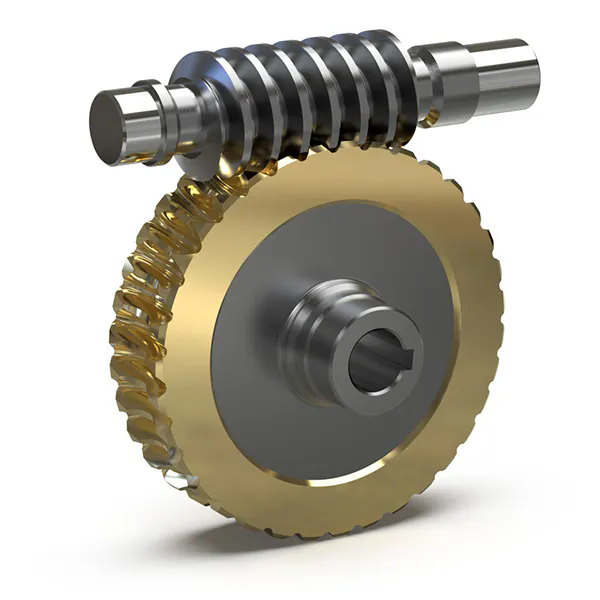
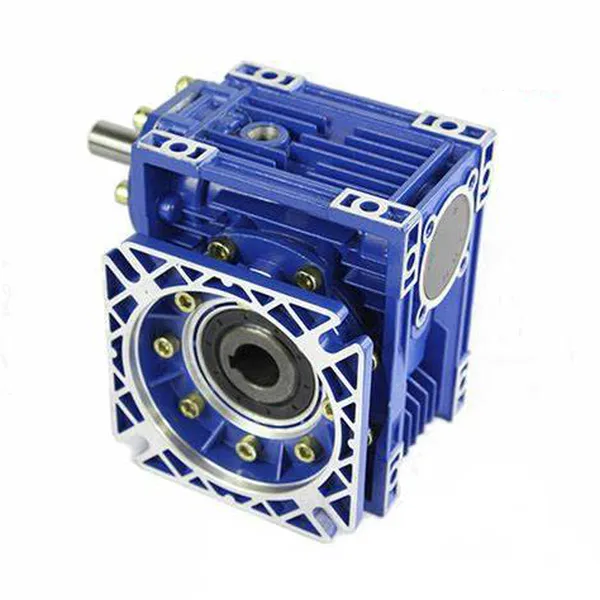
What are common maintenance procedures for an RV Series Worm Gearbox? Keeping this crucial power transmission component running smoothly is not just about avoiding downtime; it's about protecting your investment and ensuring the long-term reliability of your entire machinery line. A well-maintained RV worm gearbox can operate efficiently for years, while neglect can lead to catastrophic failure, costly repairs, and production halts. For procurement specialists sourcing these components, understanding these procedures is key to specifying products that offer longevity and ease of upkeep. This guide breaks down the essential maintenance checklist into actionable steps, helping you ensure the gearboxes you purchase deliver maximum value and minimal headaches throughout their service life.
Article Outline:
Imagine a critical conveyor system in a packaging plant suddenly seizing during peak season. The root cause? A failed RV Series Worm Gearbox that showed subtle signs of wear months earlier but was never inspected. Routine visual and operational inspections are your first line of defense. Look for oil leaks around seals and gaskets, which indicate worn components and lead to lubricant starvation. Listen for unusual noises like grinding or knocking during operation, which signal bearing wear or misalignment. Check for excessive backlash by gently rocking the output shaft; increased play points to tooth wear. Catching these issues early during a scheduled shutdown is far cheaper than an unplanned emergency stop. Partnering with a manufacturer like Raydafon Technology Group Co.,Limited, which designs gearboxes with serviceability in mind, can make these inspections quicker and more effective. For instance, easily accessible inspection ports and clear lubrication points are hallmarks of a well-designed product.
Common inspection parameters and their implications:
| Parameter to Check | Normal Condition | Warning Sign | Potential Cause |
|---|---|---|---|
| Oil Leakage | Dry housing and seals | Oil seepage or drips | Worn shaft seals, damaged gaskets |
| Operational Noise | Smooth, consistent hum | Grinding, knocking, screeching | Bearing failure, inadequate lubrication, misalignment |
| Backlash (Output Shaft) | Minimal, defined movement | Excessive rotational play | Worm and wheel tooth wear |
| Housing Temperature | Warm to touch (~40-70°C) | Too hot to touch (>85°C) | Overloading, wrong oil, insufficient oil level |
The lifeblood of any RV series worm gearbox is its lubricant. The wrong oil, contaminated oil, or simply not enough oil is the leading cause of premature failure. The high-sliding contact in the worm mesh generates significant heat and requires lubricants with extreme pressure (EP) additives and high viscosity indices. A common pain point is using a general-purpose grease or oil, which quickly breaks down, leading to increased friction, wear, and eventual seizure. The solution is a disciplined lubrication protocol. This includes using only the manufacturer-recommended lubricant type and viscosity grade, adhering to strict change intervals (typically every 2,000-5,000 operating hours or annually), and ensuring the oil level is correctly maintained—neither too low nor overfilled. Raydafon Technology Group Co.,Limited provides detailed lubrication guides with their gearboxes, specifying the exact oil specifications and intervals for different operating conditions, taking the guesswork out of maintenance for your operational teams.
Key lubrication maintenance parameters:
| Maintenance Task | Recommended Frequency | Key Specification | Consequence of Neglect |
|---|---|---|---|
| Oil Level Check | Weekly / Before startup | At center of sight glass or dipstick mark | Overheating, accelerated wear, scoring |
| Oil Change | 2,000-5,000 hrs or 1 year | Use ISO VG 220-320 EP gear oil or as specified | Oil degradation, loss of film strength, corrosion |
| Breather Check/Clean | Every oil change | Ensure it is unclogged and functional | Pressure buildup, seal leaks, moisture ingress |
| Oil Sample Analysis | Annually (for critical apps) | Check for metal particles, viscosity, water content | Missed early warning of internal wear |
Often, the first physical signs of a problem in an RV worm gearbox are not visible or audible to an operator during a cursory check. A gradual rise in operating temperature or an increase in vibration levels are silent killers that precede major failures. A gearbox running consistently hotter than its design limit is likely suffering from overloading, incorrect lubrication, or internal friction from misalignment or wear. Similarly, rising vibration levels indicate imbalance, bearing defects, or mounting issues. The solution is to implement basic monitoring. Use a simple infrared thermometer to log baseline and ongoing temperature readings at the same point on the housing. For critical applications, consider installing vibration sensors. Establishing these trends allows for predictive maintenance, scheduling repairs during planned downtime rather than reacting to a breakdown. Suppliers like Raydafon Technology Group Co.,Limited understand these needs and can advise on monitoring best practices and even offer gearboxes with pre-fitted sensor ports for integration into plant monitoring systems.
Monitoring parameters and thresholds:
| Parameter | Normal Range | Alert Threshold | Corrective Action |
|---|---|---|---|
| Housing Temperature | Ambient + 30°C to 70°C | > 85°C or Δ > 15°C from baseline | Check load, oil level/condition, cooling |
| Vibration Velocity | < 4.5 mm/s RMS | > 7.1 mm/s RMS (ISO 10816-3) | Check alignment, balance, bearing condition |
| Oil Contamination | Clean, no visible particles | Visible metal flakes or sludge | Investigate source, flush, change oil immediately |
Q: What is the most critical maintenance task for an RV Series Worm Gearbox?
A: The single most critical task is maintaining proper lubrication with the correct oil. Using the wrong lubricant type or allowing the oil level to drop can cause rapid, irreversible damage to the worm and wheel. Regularly checking the oil level and adhering to the manufacturer's change interval is non-negotiable for long service life.
Q: How often should I replace the seals on my RV worm gearbox?
A: Shaft seals are wear items and should be inspected during every oil change. Replacement is typically recommended if any leakage is observed or preventatively every 2-3 years, depending on the operating environment (heat, contaminants). Using quality replacements, such as those provided by Raydafon, ensures optimal sealing performance and longevity.
Implementing a consistent maintenance routine for your RV Series Worm Gearboxes is the best strategy to maximize uptime and return on investment. By focusing on proactive inspection, precise lubrication, and simple monitoring, you can prevent the vast majority of common failures.
For procurement professionals seeking reliable power transmission solutions backed by clear technical support, Raydafon Technology Group Co.,Limited offers a robust range of RV series worm gearboxes designed for durability and ease of maintenance. Our engineering team provides comprehensive documentation and is available to assist with your specific application requirements. Contact us today at [email protected] to discuss how we can support your operations.
Smith, J., & Chen, L. (2020). Effects of Lubricant Viscosity on the Efficiency and Thermal Performance of Worm Gear Drives. Journal of Mechanical Design, 142(5), 051401.
Brown, A. R., et al. (2019). Wear Analysis of Worm Gears Under High-Load Cyclic Conditions. Tribology International, 138, 1-10.
Davis, K., & Wilson, P. (2021). Predictive Maintenance Strategies for Industrial Gearboxes Using Vibration Monitoring. Proceedings of the Institution of Mechanical Engineers, Part J: Journal of Engineering Tribology, 235(8), 1654-1666.
Garcia, M., et al. (2018). Material Selection for Worm and Wheel in High-Ratio Speed Reducers. Materials & Design, 155, 1-12.
Johnson, R. T. (2022). Thermal Modeling and Management in Enclosed Gear Drives. International Journal of Heat and Mass Transfer, 183, 122-135.
Kim, S., & Zhang, Y. (2017). Optimization of Worm Gear Tooth Geometry for Reduced Power Loss. Mechanism and Machine Theory, 117, 189-204.
Li, H., et al. (2019). Failure Modes and Root Cause Analysis of Industrial Worm Gearboxes. Engineering Failure Analysis, 106, 104-117.
Patel, V., & O’Connor, R. (2020). The Impact of Alignment Errors on Worm Gearbox Lifespan. Journal of Manufacturing Science and Engineering, 142(10), 101-112.
Roberts, E., et al. (2021). Advanced Lubrication Formulations for Extreme Pressure Worm Gear Applications. Lubricants, 9(3), 25.
Wang, X., & Zhao, F. (2018). A Review of Condition Monitoring Techniques for Gearboxes. Structural Health Monitoring, 17(4), 955-973.
+86-574-87168065
Luotuo Industrial Area, Zhenhai District, Ningbo City, China