QR Code

Products
Contact Us


Fax
+86-574-87168065

Email

Address
Luotuo Industrial Area, Zhenhai District, Ningbo City, China


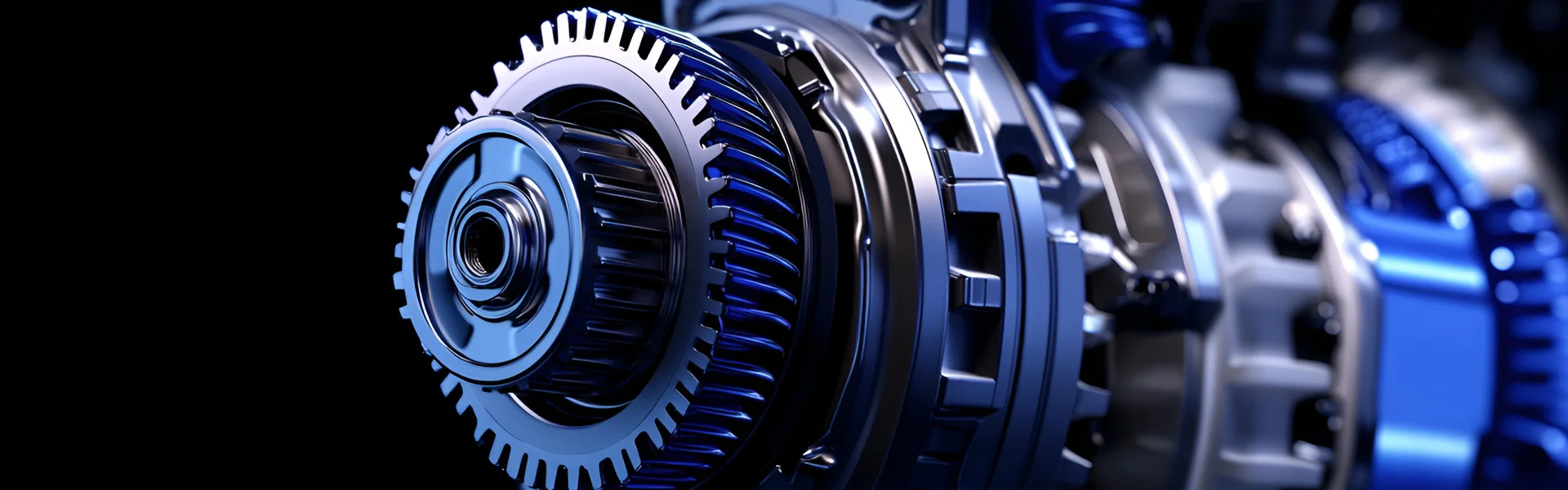
In industrial motion control and power transmission systems, torque output and speed reduction are not abstract performance indicators. They define how reliably equipment can start, how smoothly it can operate under load, and how long mechanical components can maintain dimensional accuracy without failure. Gearbox design plays a decisive role in shaping these outcomes.
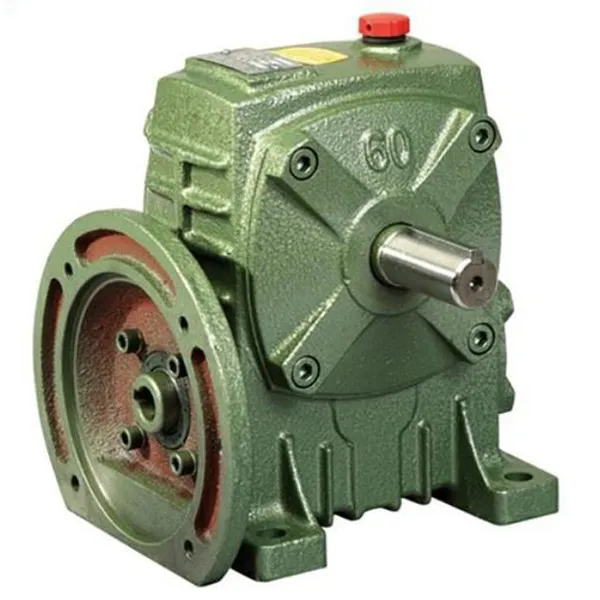
Among various gearbox configurations, the Worm Gearbox remains a preferred solution where compact structure, high reduction ratio, and stable load control are required. However, performance differences between worm gearboxes are often significant, even when reduction ratios appear similar on paper. These differences originate from design decisions rather than nominal specifications.
At Raydafon Technology Group Co.,Limited, practical engineering experience confirms that torque output stability and speed reduction accuracy depend on a coordinated design approach. Our factory focuses on translating mechanical principles into predictable industrial performance by optimizing geometry, materials, structure, and lubrication as an integrated system.
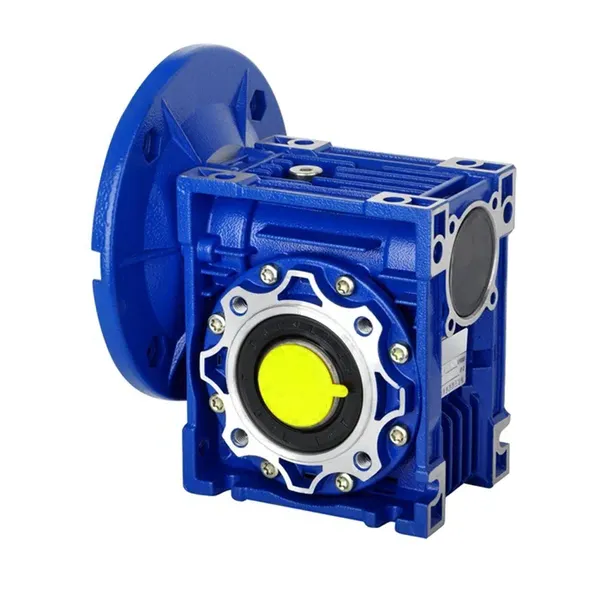
The fundamental performance of a Worm Gearbox is rooted in its unique mechanical transmission principle. Unlike spur or helical gears that rely primarily on rolling contact, worm gear systems transmit power through controlled sliding contact between the worm and the worm wheel. This distinction is the foundation for both high torque output and significant speed reduction.
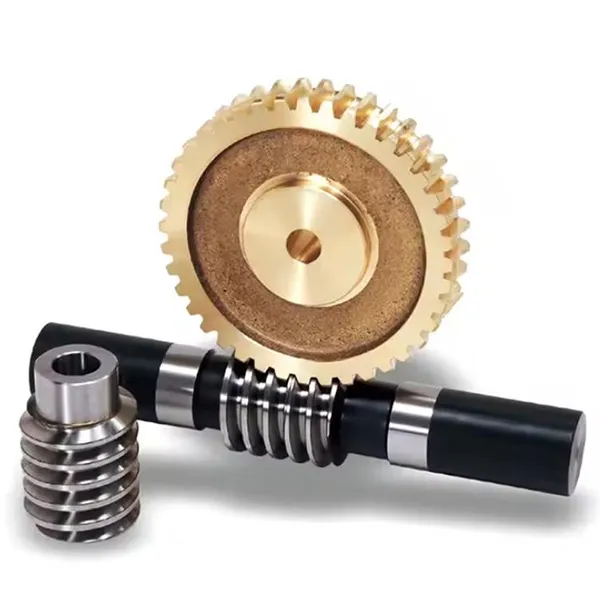
In a typical worm gearbox, the worm resembles a threaded screw, while the worm wheel functions as a mating gear. Each complete rotation of the worm advances the worm wheel by one or more teeth, depending on the number of starts on the worm. This simple relationship allows designers to achieve large speed reductions within a single gear stage.
From an engineering standpoint, this means:
Our factory has validated through testing that single-stage worm gearboxes can reliably replace multi-stage alternatives in space-constrained installations, provided the design parameters are correctly selected.
Torque output in a worm gearbox increases as the speed reduction ratio rises. The sliding interaction between the worm and wheel creates a mechanical advantage that allows relatively low input torque to generate significantly higher output torque. This is particularly beneficial in applications requiring controlled movement under heavy loads.
However, torque amplification is not unlimited. Excessive sliding friction can reduce efficiency and generate heat. At Raydafon Technology Group Co.,Limited, our design philosophy emphasizes controlled friction rather than minimizing friction at all costs. This balance ensures reliable torque transmission while avoiding premature wear.
One of the most distinctive mechanical principles of a Worm Gearbox is its potential self-locking characteristic. When the lead angle of the worm is sufficiently small, the worm wheel cannot drive the worm in reverse. This means that the system can hold loads without additional braking mechanisms.
From a practical perspective, this feature:
Our engineering teams analyze lead angle thresholds carefully to determine whether self-locking is advantageous or whether back-driving capability is required for a specific application.
While worm gear systems are known for high reduction ratios, efficiency varies depending on design. Sliding contact inherently introduces energy loss, but proper geometry, surface finish, and lubrication can significantly improve performance.
In our factory, efficiency optimization includes:
These measures allow a Worm Gearbox to maintain predictable speed reduction and torque output over long operating cycles, even under continuous duty conditions.
Industrial equipment rarely operates under constant load. Start-stop cycles, shock loads, and uneven material flow all place dynamic demands on the gearbox. The mechanical principle of sliding engagement distributes load across multiple contact points, reducing localized stress. Raydafon Technology Group Co.,Limited incorporates load fluctuation analysis into every design review. Our factory ensures that gear engagement remains stable during transient conditions, preventing torque spikes and protecting downstream components.
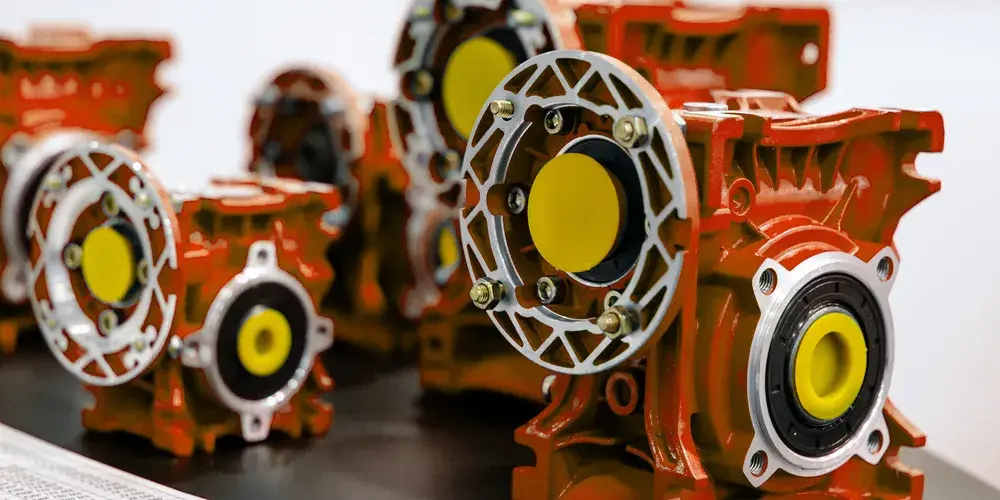
Gear geometry is the primary design variable influencing torque output and speed reduction accuracy. Lead angle, tooth profile, module, and contact ratio collectively determine how power flows through the gearbox. A smaller lead angle increases reduction ratio and torque multiplication but also increases friction and heat generation. A larger lead angle improves efficiency while reducing self-locking capability. Raydafon Technology Group Co.,Limited selects lead angles based on application demands rather than generic efficiency targets.
Tooth geometry directly affects load distribution. Uniform contact patterns reduce peak stress and prevent premature wear. Our factory uses precision machining and inspection to ensure consistent tooth engagement across the entire operating range. Backlash control is equally critical. Excessive backlash reduces positional accuracy, while insufficient backlash increases thermal sensitivity. Geometry optimization allows a Worm Gearbox to maintain predictable speed reduction even as operating temperatures fluctuate.
Material pairing is essential in worm gear systems due to continuous sliding contact. Typically, hardened alloy steel worms are paired with bronze-based worm wheels to reduce friction and prevent adhesive wear. Surface finish quality significantly influences efficiency and heat generation. Precision-ground surfaces reduce micro-asperity interaction, improving torque transfer consistency. Our factory maintains strict surface roughness standards for all load-bearing components.
Raydafon applies material selection as a performance tool rather than a cost decision. Each Worm Gearbox configuration is matched to its operating load, speed, and duty cycle to ensure stable long-term output.
Housing design ensures shaft alignment and protects internal components from external contamination. Structural rigidity directly affects torque consistency and bearing life. Our factory designs housings to minimize deformation under load. Proper bearing placement distributes axial and radial forces evenly, preventing misalignment that could reduce efficiency or accelerate wear. Seal systems are selected based on environmental exposure. A stable internal environment allows lubrication to perform effectively, preserving speed reduction accuracy throughout the service life.
Lubrication is critical in worm gear systems due to sliding contact. Oil viscosity, additive composition, and circulation paths directly influence efficiency and heat dissipation. Our factory specifies lubrication systems according to load and speed rather than universal recommendations. Proper lubrication maintains a stable film, reduces friction losses, and supports consistent torque output. Thermal control strategies include housing geometry optimization and optional cooling features. Raydafon Technology Group Co.,Limited integrates thermal considerations into the initial design phase rather than treating heat as an afterthought.
| Parameter | Typical Range | Performance Impact |
| Reduction Ratio | 5:1 to 100:1 | Defines speed reduction and torque multiplication |
| Rated Torque | 50 Nm to 5000 Nm | Determines load handling capability |
| Input Speed | Up to 3000 rpm | Affects thermal behavior and efficiency |
| Housing Material | Cast iron or aluminum | Influences rigidity and heat dissipation |
Each Worm Gearbox produced by Raydafon Technology Group Co.,Limited is configured based on real operating conditions. Our factory focuses on functional reliability rather than oversizing, ensuring optimal performance and cost efficiency.
Worm gearbox design directly determines torque output stability and speed reduction accuracy. Mechanical principles, geometry, materials, structure, and lubrication must operate as a unified system. When these elements are correctly balanced, a Worm Gearbox delivers compact, reliable, and long-lasting performance. Raydafon Technology Group Co.,Limited applies engineering-driven design methods to ensure that our factory delivers solutions aligned with real industrial demands rather than theoretical limits.
For projects requiring stable torque, precise speed reduction, and long service life, Raydafon Technology Group Co.,Limited offers engineered Worm Gearbox solutions backed by manufacturing expertise. Contact our team to discuss specifications, customization options, and how our factory can support your equipment with reliable transmission systems.
Q1: How Does Worm Gearbox Design Influence Torque Output and Speed Reduction?
Design parameters such as lead angle, material pairing, and lubrication determine how efficiently torque is multiplied and speed is reduced.
Q2: How Does Worm Gearbox Design Influence Torque Output and Speed Reduction in Heavy Loads?
Heavy-load designs rely on reinforced structure, optimized geometry, and stable lubrication to maintain torque consistency.
Q3: How Does Worm Gearbox Design Influence Torque Output and Speed Reduction Efficiency?
Efficiency depends on surface finish, lead angle selection, and thermal control strategy.
Q4: How Does Worm Gearbox Design Influence Torque Output and Speed Reduction Accuracy?
Precision geometry and backlash control ensure predictable speed reduction.
Q5: How Does Worm Gearbox Design Influence Torque Output and Speed Reduction Durability?
Material quality and housing rigidity prevent premature wear.
Q6: How Does Worm Gearbox Design Influence Torque Output and Speed Reduction in Compact Systems?
High reduction ratios in a single stage allow compact installations without sacrificing torque.
Q7: How Does Worm Gearbox Design Influence Torque Output and Speed Reduction Maintenance?
Proper lubrication and alignment reduce maintenance frequency.
Q8: How Does Worm Gearbox Design Influence Torque Output and Speed Reduction Safety?
Self-locking characteristics enhance load-holding safety in lifting applications.
+86-574-87168065
Luotuo Industrial Area, Zhenhai District, Ningbo City, China