QR Code

Products
Contact Us


Fax
+86-574-87168065

Email

Address
Luotuo Industrial Area, Zhenhai District, Ningbo City, China


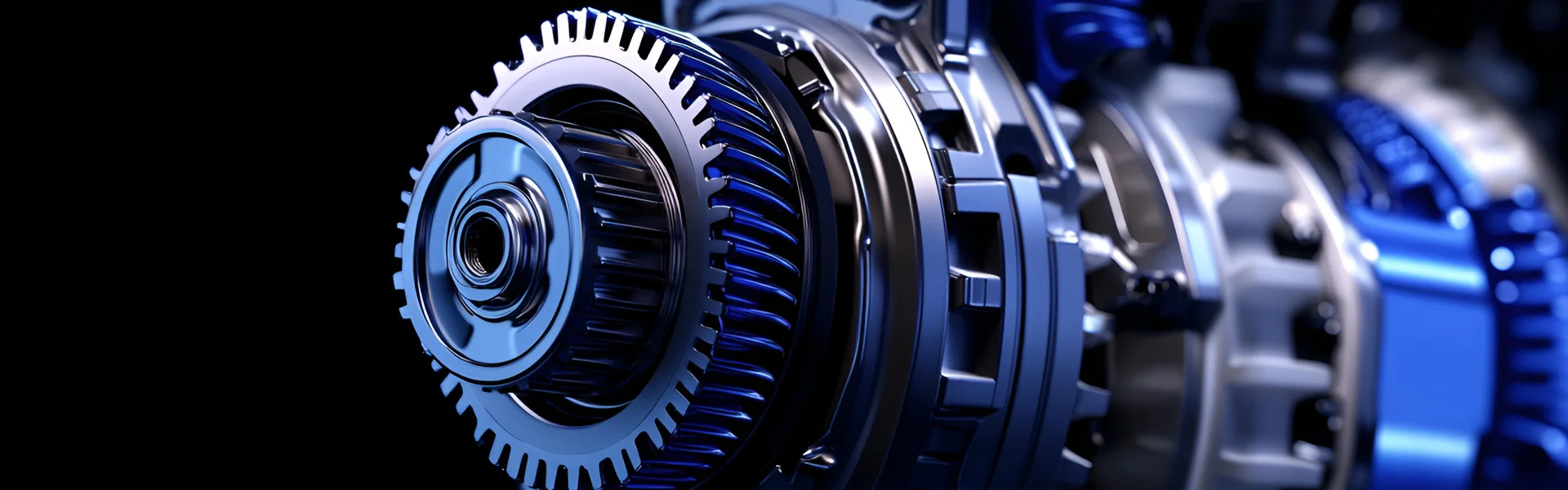
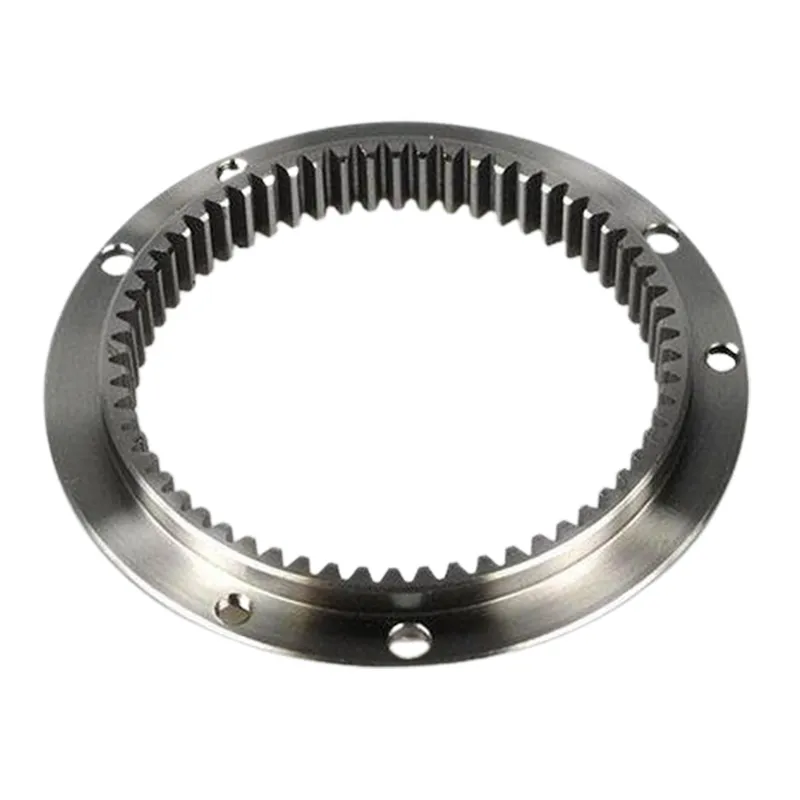
In modern industrial transmission systems, the ring gear is a core component that directly determines operational stability, load capacity, and long-term reliability. Many equipment failures traced in the field are not caused by poor design, but by incorrect material selection at the earliest stage of gear development. Understanding how material choice influences wear resistance, fatigue strength, and thermal stability is essential for extending service life and reducing lifecycle costs.
At Raydafon Technology Group Co.,Limited, we have spent decades focusing on gear material engineering and precision manufacturing. From heavy-duty industrial drives to high-accuracy automation systems, our engineering team evaluates every ring gear project from a material-first perspective. This article explains how ring gear material selection affects service life, drawing on practical manufacturing experience from our factory and real-world operating conditions. Throughout the discussion, Precision Gear performance, durability, and cost efficiency will be addressed in a way that aligns with local engineering expectations and procurement decision-making habits.
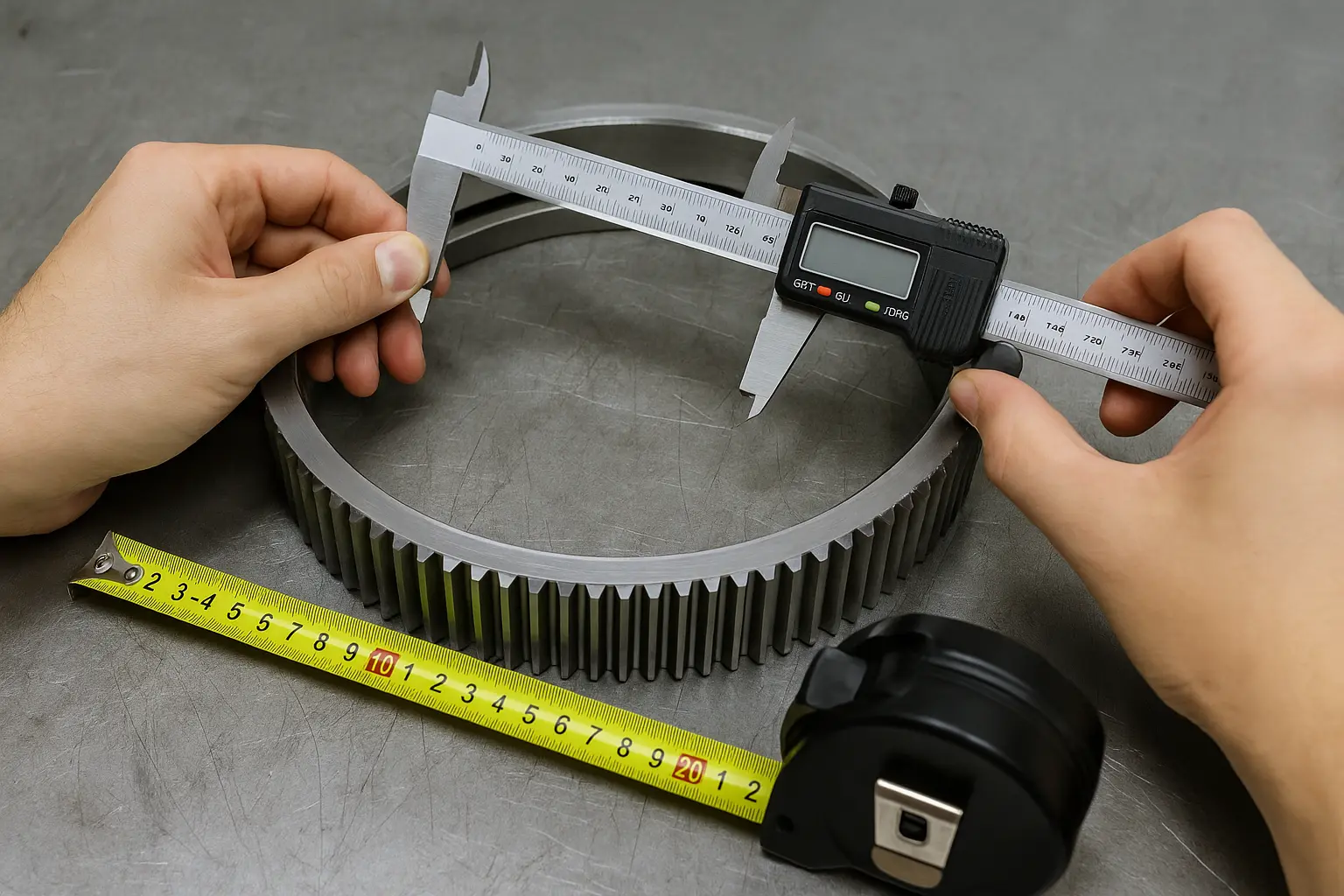
Ring gears operate under continuous meshing, high contact stress, and cyclic loading. Because of this, material selection must balance strength, toughness, machinability, and cost. In our factory, material decisions are never standardized blindly. Each Precision Gear project begins with a performance profile that defines expected torque, speed, lubrication conditions, and environmental exposure.
The most commonly used ring gear materials can be categorized into several groups, each with distinct advantages and limitations.
Medium and high carbon steels are widely used for ring gears in moderate-load applications. These steels offer good machinability and cost efficiency, making them suitable for general industrial equipment.
Alloy steels such as chromium-molybdenum or nickel-chromium grades are preferred for high-performance Precision Gear applications. At Raydafon Technology Group Co.,Limited, alloy steel is often selected when long service life under heavy load is required.
For large-diameter ring gears operating at lower speeds, ductile iron can be a practical choice. Its vibration damping characteristics reduce noise and improve system stability.
| Material Type | Typical Hardness Range | Load Capacity | Service Life Expectation |
| Carbon Steel | HB 180 to 280 | Medium | Moderate |
| Alloy Steel | HRC 50 to 62 | High | Long |
| Ductile Iron | HB 160 to 240 | Medium to Low | Moderate |
Selecting the correct material ensures that Precision Gear systems maintain stable tooth contact and resist premature pitting or fracture. This is a principle consistently applied at Raydafon Technology Group Co.,Limited.
Mechanical properties are the core factors that determine how long a ring gear can operate reliably under real working conditions. While geometry accuracy and manufacturing precision influence initial performance, service life is ultimately controlled by how the material behaves under repeated stress, friction, heat, and impact. In practical industrial environments, ring gear failures are rarely caused by design flaws alone; instead, they are usually the result of mechanical property limitations that become evident over time.
Ring gears operate under continuous cyclic loading, where each tooth is subjected to repeated compressive and bending stresses during meshing. Even when loads remain within nominal design limits, long-term cyclic stress can initiate microscopic cracks at the tooth root or contact surface. Materials with high fatigue strength delay crack initiation and slow crack propagation, allowing the ring gear to endure millions of load cycles. This directly translates into longer service life, especially in Precision Gear systems used for continuous-duty industrial applications.
Surface hardness is critical for resisting abrasive and adhesive wear at the gear tooth interface. A ring gear with insufficient hardness will experience rapid material removal, leading to tooth profile degradation, increased backlash, and reduced transmission efficiency. However, hardness must be carefully controlled. Excessive hardness without sufficient support from the core increases the risk of brittle failure. Long service life depends on achieving an optimal hardness level that minimizes wear while maintaining structural reliability.
In real operating conditions, loads are rarely smooth or perfectly uniform. Start-stop operations, sudden torque changes, misalignment, and external disturbances introduce impact stresses into the gear system. Core toughness enables the ring gear to absorb these stresses without cracking or fracturing. A tough core prevents catastrophic failures by redistributing stress and slowing crack growth, which is essential for heavy-duty Precision Gear applications and large-diameter ring gears.
Yield strength defines the stress level at which permanent deformation begins. If a ring gear material has insufficient yield strength, tooth deformation can occur during overload conditions even if no visible cracks appear. This deformation alters load distribution across the tooth surface, creating localized stress concentrations that accelerate wear and fatigue damage. Over time, this leads to progressive performance degradation and premature failure, reducing overall service life.
Tensile strength contributes to the gear’s ability to withstand high stresses without rupture. While it does not directly define fatigue resistance, it provides a safety margin against unexpected overloads. Adequate tensile strength ensures that the ring gear maintains structural integrity during abnormal operating conditions, preventing sudden failure and extending usable service life in demanding environments.
Heat generation is unavoidable in gear operation due to friction and load transfer. Materials with poor thermal stability may lose hardness or strength at elevated temperatures, accelerating wear and reducing fatigue resistance. Repeated heating and cooling cycles can also introduce thermal stresses, especially in large ring gears. Materials with stable microstructures maintain consistent mechanical properties across a wide temperature range, ensuring predictable long-term performance.
Mechanical properties are only effective when they are uniformly distributed throughout the material. Inclusions, segregation, and uneven grain structures create localized weak points where cracks can initiate prematurely. High-quality ring gears rely on controlled material composition and processing to achieve consistent microstructure. Uniform mechanical properties improve load distribution, reduce stress concentrations, and significantly enhance service life reliability.
In summary, mechanical properties define how a ring gear responds to real-world operating conditions over time. Fatigue strength, hardness, toughness, yield strength, thermal stability, and microstructural consistency work together to determine whether a ring gear delivers short-term functionality or long-term reliability. Understanding and optimizing these properties is essential for maximizing service life and ensuring dependable performance in Precision Gear applications.
Heat treatment and material selection are inseparable factors in determining the performance and service life of a ring gear. Material selection defines the potential mechanical properties of a ring gear, while heat treatment determines how effectively those properties are realized in actual operation. Even high-grade steel will fail prematurely if the heat treatment process is not properly matched to its chemical composition and intended application. For this reason, heat treatment should never be considered a secondary process, but rather a core element of ring gear engineering.
Each gear material responds differently to heat treatment based on its alloy composition. Carbon content, alloying elements, and impurity levels directly influence hardenability, transformation behavior, and achievable hardness. Low-carbon steels are suitable for surface hardening methods such as carburizing, while alloy steels with chromium, molybdenum, or nickel offer deeper hardening and improved core strength. Selecting a material without considering its heat treatment response can lead to insufficient hardness, excessive distortion, or unstable microstructures that shorten ring gear service life.
Heat treatment methods such as carburizing, carbonitriding, and induction hardening are used to increase surface hardness while maintaining a tough core. These processes create a hardened case that resists wear and surface fatigue during continuous meshing. The effectiveness of surface hardening depends heavily on material selection. Materials with appropriate alloy content develop a uniform hardened layer that improves load-carrying capacity and reduces tooth surface damage, which is essential for high-performance Precision Gear systems.
While surface hardness protects against wear, the core of the ring gear must retain sufficient toughness to absorb impact loads and stress fluctuations. Heat treatment processes such as quenching and tempering refine the internal grain structure, balancing strength and ductility. If the material is improperly selected or the heat treatment cycle is poorly controlled, the core may become brittle or overly soft. Both conditions increase the risk of cracking, tooth fracture, or permanent deformation during service.
Ring gears often require tight dimensional tolerances, especially in precision transmission systems. Heat treatment introduces thermal expansion and phase transformation stresses that can cause distortion. Materials with high residual stress sensitivity are more prone to warping or ovality during hardening. Selecting materials with stable transformation characteristics and pairing them with appropriate heat treatment methods helps maintain dimensional accuracy, reducing the need for excessive post-treatment machining and preserving gear geometry.
Proper heat treatment improves fatigue resistance by refining microstructure and introducing beneficial residual compressive stresses at the surface. These stresses counteract tensile forces during operation, delaying crack initiation at the tooth root and contact zone. Materials that respond well to heat treatment exhibit improved endurance under cyclic loading, which directly extends ring gear service life in continuous-duty applications.
Some ring gear applications involve elevated or fluctuating operating temperatures. Heat treatment influences how well a material maintains hardness and strength under thermal exposure. Materials selected for high-temperature stability retain their mechanical properties after heat treatment, preventing softening or structural degradation over time. This stability is crucial for applications where consistent performance is required throughout the entire service life.
Even with the right material, inconsistent heat treatment can lead to performance variation between production batches. Uniform heating, controlled cooling rates, and precise tempering cycles are necessary to achieve repeatable mechanical properties. Materials selected for predictable heat treatment behavior allow for tighter process control, resulting in consistent quality and reliable long-term performance for ring gears used in demanding industrial environments.
In summary, heat treatment transforms material potential into functional performance. Material selection defines what is possible, while heat treatment determines what is achieved. When these two factors are engineered together, ring gears gain superior wear resistance, fatigue strength, dimensional stability, and long-term reliability. Aligning heat treatment methods with material characteristics is essential for producing ring gears that meet high service life expectations in Precision Gear applications.
Selecting the right material for a ring gear is not a theoretical exercise based on material strength charts alone. In real industrial environments, application conditions dictate how a ring gear behaves over time and whether its service life meets expectations. Load characteristics, operating speed, environmental exposure, lubrication quality, and maintenance practices all interact with material properties. When material choice aligns closely with these conditions, ring gear reliability and lifespan increase significantly.
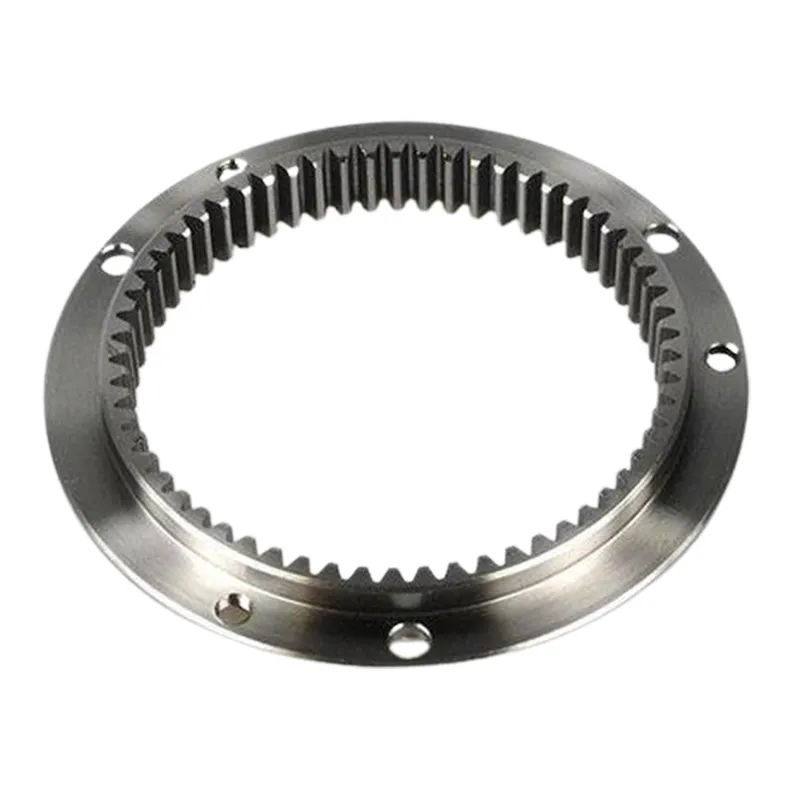
The nature of the load applied to a ring gear is one of the most decisive factors in material selection. Different load patterns demand different mechanical responses from the material.
In applications with frequent start-stop cycles or torque spikes, materials that are too hard but insufficiently tough may fail prematurely. Conversely, overly soft materials may survive impact but suffer rapid wear under constant load.
Ring gear speed directly affects frictional heat generation and surface stress. High-speed applications impose stricter requirements on material thermal stability and microstructural integrity.
Materials with poor thermal resistance may soften during operation, accelerating wear and reducing fatigue life. Selecting alloys with stable heat-treated structures helps maintain consistent performance throughout prolonged operating cycles.
The surrounding environment often plays an underestimated role in ring gear material selection. Exposure to moisture, dust, chemicals, or temperature extremes can significantly influence wear behavior and corrosion resistance.
| Operating Environment | Primary Risk | Material Consideration |
| Humid or Wet | Corrosion and pitting | Corrosion-resistant alloy or surface treatment |
| Dusty or Abrasive | Abrasive wear | High surface hardness and wear resistance |
| High Temperature | Softening and distortion | Thermally stable alloy steel |
Ignoring environmental factors often results in accelerated degradation that cannot be compensated for by strength or hardness alone.
Lubrication quality directly affects contact stress, wear rate, and heat generation. Material choice should reflect how well lubrication can be maintained in actual operation rather than ideal conditions.
When lubrication is unreliable, materials that tolerate boundary lubrication conditions reduce the risk of adhesive wear and surface damage.
Application conditions also determine how service life expectations should be balanced against material cost. Overengineering a ring gear with premium alloy material may be unnecessary for light-duty applications, while under-specifying material in critical systems leads to frequent replacements and higher long-term costs.
By evaluating real operating conditions instead of relying on generic material recommendations, engineers can select ring gear materials that deliver optimal performance, predictable service life, and improved overall system reliability. Application-driven material selection ensures that the ring gear performs as intended throughout its entire operational lifespan rather than merely meeting initial design requirements.
Ring gear service life is directly influenced by material selection, mechanical properties, and heat treatment compatibility. Choosing the correct material ensures stable performance, reduced maintenance, and lower total ownership cost. By integrating material science expertise with precision manufacturing, Raydafon Technology Group Co.,Limited consistently delivers reliable Precision Gear solutions tailored to demanding applications.
If you are evaluating ring gear options for long-term performance, our engineering team and our factory are ready to support your project with practical recommendations and proven manufacturing capability. Contact Raydafon today to discuss your ring gear requirements. Our team is ready to provide customized Precision Gear solutions that deliver long-term reliability and measurable value for your application.
Q1: How does material hardness affect ring gear wear resistance?
Higher surface hardness reduces adhesive and abrasive wear at the tooth contact area, but it must be balanced with sufficient core toughness to prevent cracking under load.
Q2: Why are alloy steels preferred for heavy-duty ring gears?
Alloy steels offer higher fatigue strength, better hardenability, and improved toughness, which collectively extend service life in high-load and shock-load conditions.
Q3: Does heat treatment matter as much as material selection?
Yes, heat treatment defines how material properties are expressed in service. Incorrect heat treatment can negate the advantages of even the best material.
Q4: Can ductile iron ring gears achieve long service life?
Ductile iron can perform well in low-speed, high-damping applications, but it is generally unsuitable for high-speed or high-impact environments.
Q5: How can material selection reduce maintenance costs?
Proper material selection minimizes wear, reduces unexpected failures, and extends inspection intervals, leading to lower maintenance and replacement costs.
+86-574-87168065
Luotuo Industrial Area, Zhenhai District, Ningbo City, China