QR Code

Products
Contact Us


Fax
+86-574-87168065

E-mail

Address
Luotuo Industrial Area, Zhenhai District, Ningbo City, China


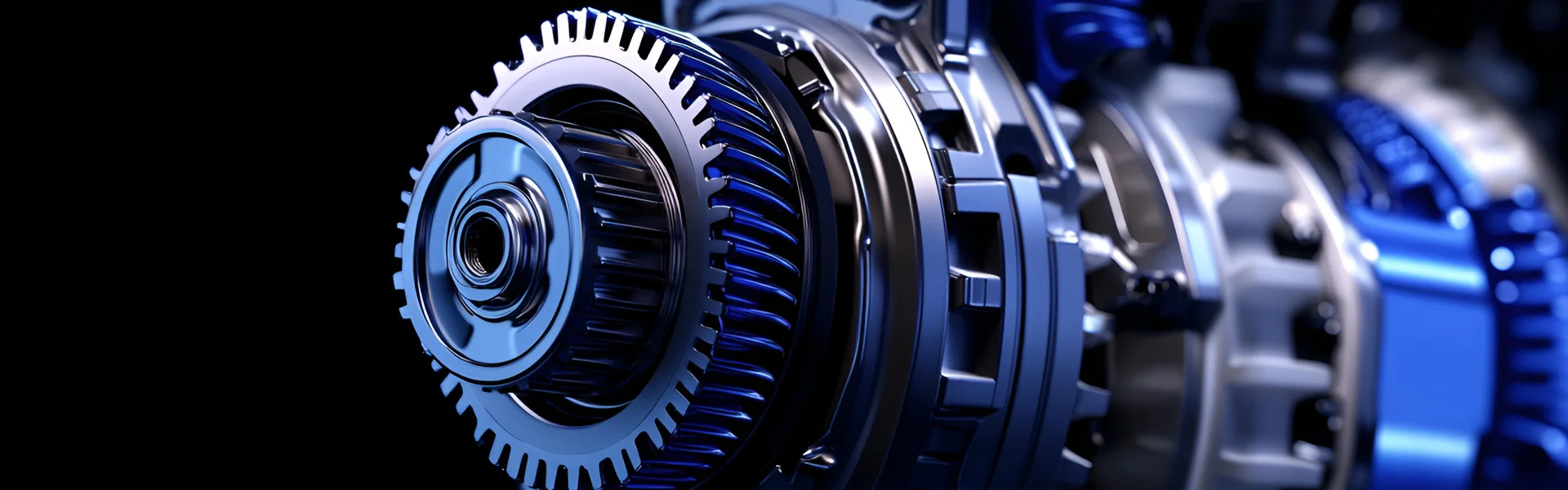
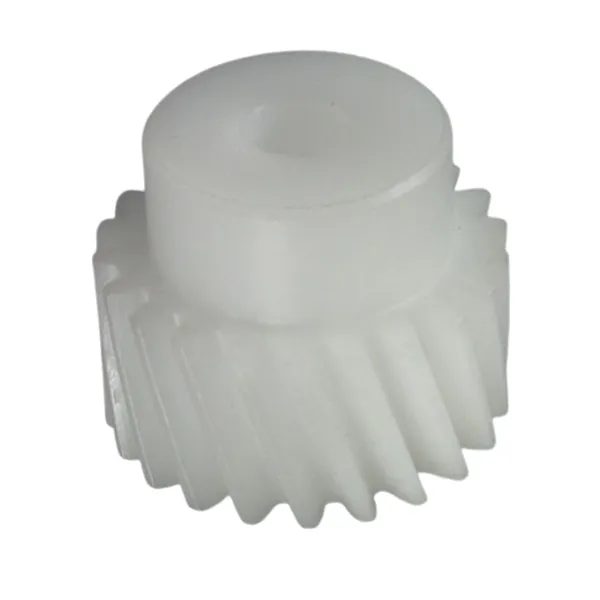
In modern mechanical transmission systems, spur gears remain one of the most widely used components due to their efficiency, simplicity, and cost effectiveness. However, long term performance is never determined by geometry alone. The real foundation of durability lies in material selection. Understanding why material choice directly impacts wear resistance, load capacity, noise behavior, and service life is essential for engineers, procurement managers, and equipment manufacturers.
At Raydafon Technology Group Co.,Limited, our engineering teams have spent years refining material strategies for Precision Gear applications across automotive, industrial automation, and heavy machinery sectors. Through our factory based manufacturing model, we control every step from raw material sourcing to heat treatment, ensuring our products meet strict performance expectations under real world operating conditions.
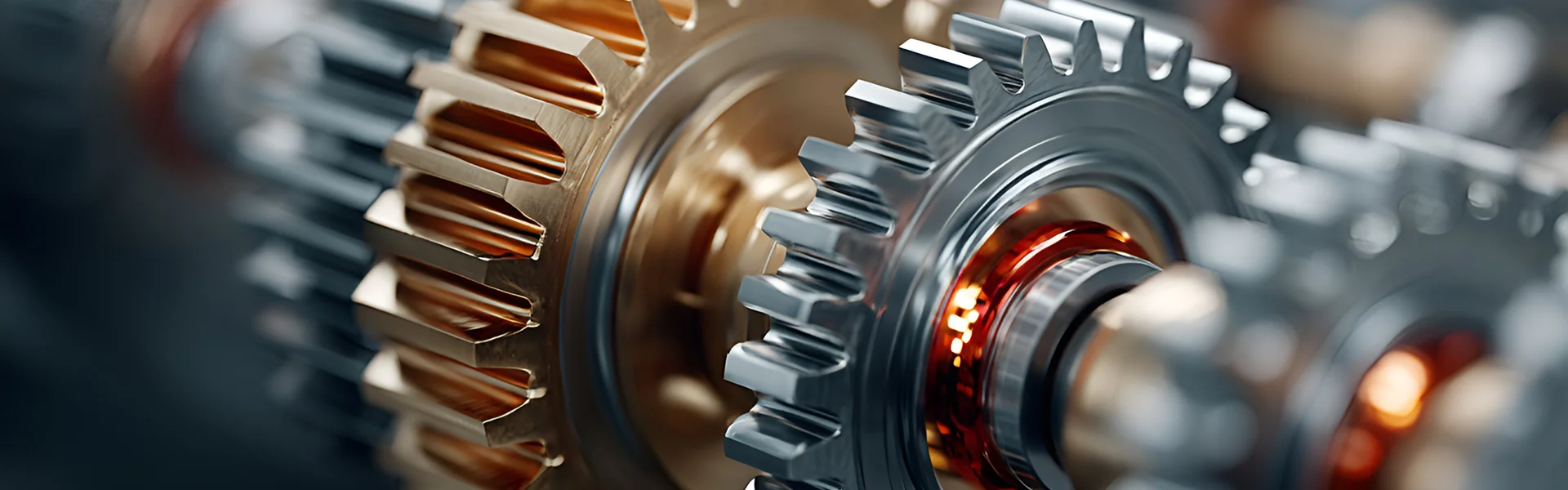
In real industrial environments, spur gears are rarely exposed to ideal or constant operating conditions. Instead, they function under a combination of mechanical, thermal, and environmental stresses that continuously challenge material integrity. Understanding these stresses is the first step toward explaining why material selection is critical to long term durability, especially for high performance Precision Gear applications.
During operation, each spur gear tooth repeatedly enters and exits meshing contact. This process creates cyclic loading that can reach millions of cycles over the gear’s service life. Even minor weaknesses in material structure can gradually develop into surface fatigue, tooth deformation, or sudden fracture. At Raydafon Technology Group Co.,Limited, our factory level testing consistently shows that material fatigue behavior under cyclic stress is a decisive factor in gear lifespan.
These stresses rarely act independently. In most applications, they occur simultaneously and fluctuate depending on load variation, speed changes, and alignment conditions. Our experience with Precision Gear manufacturing shows that materials must maintain stable mechanical properties across a wide stress spectrum.
For example, in heavy machinery or automated production lines, intermittent overloads are common. If the selected material does not provide sufficient fatigue resistance, micro cracks may initiate at the tooth root and propagate rapidly. Our factory quality analysis at Raydafon confirms that many early gear failures originate from material limitations rather than design flaws.
| Stress Type | Main Risk | Required Material Property |
| Contact Stress | Surface pitting | High surface hardness |
| Bending Stress | Tooth fracture | High core toughness |
| Thermal Stress | Softening or distortion | Thermal stability |
| Friction Wear | Profile degradation | Wear resistance |
This direct relationship between stress type and material property explains why spur gears designed for demanding environments require carefully selected alloys and controlled processing. A Precision Gear must not only withstand peak loads but also resist cumulative damage over time. By fully understanding the mechanical stresses present in real applications, engineers can align material selection with actual operating demands. This approach forms the foundation of durable gear systems and supports long term performance across diverse industries.
Material selection defines how a spur gear responds to stress over millions of load cycles. At Raydafon Technology Group Co.,Limited, our material engineers evaluate not only static strength but also microstructural behavior under repeated loading. Our experience shows that improper material choice is one of the most common causes of early gear failure.
Each material offers distinct advantages and limitations. Carbon steel provides cost efficiency but limited fatigue life. Alloy steels, enriched with elements such as chromium and molybdenum, deliver superior strength and wear resistance. Stainless steel adds corrosion resistance but requires precise heat treatment control to maintain hardness.
| Material Type | Typical Hardness Range | Wear Resistance | Fatigue Performance | Recommended Applications |
| Carbon Steel | 180 to 220 HB | Medium | Medium | Light duty machinery |
| Alloy Steel | 280 to 620 HV | High | High | Industrial and automotive |
| Stainless Steel | 200 to 450 HV | Medium to High | Medium | Corrosive environments |
Our Precision Gear solutions are typically manufactured from carefully selected alloy steels, ensuring an optimal balance between surface hardness and core toughness. This balance is essential for resisting both surface pitting and tooth root fracture.
Material selection alone is not enough. Heat treatment transforms raw steel into a high performance gear material capable of withstanding long term stress. Our factory integrates advanced heat treatment processes to maximize material potential for every Precision Gear we produce.
Carburizing creates a hard wear resistant surface while preserving a tough core. This structure allows the gear tooth to absorb shock loads without cracking. Our engineers at Raydafon carefully control case depth, hardness gradient, and residual stress distribution. Without proper heat treatment, even high grade materials can fail. With optimized processing, our Precision Gear products consistently demonstrate extended service life, reduced maintenance requirements, and stable performance under fluctuating loads.
Durability is measurable. At Raydafon Technology Group Co.,Limited, our factory follows strict parameter control to ensure consistency across production batches. Below are key parameters that define long lasting spur gears.
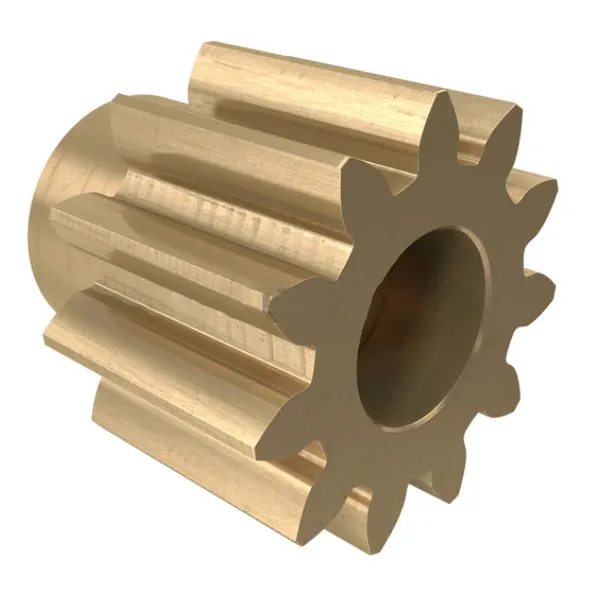
| Parameter | Standard Range | Performance Impact |
| Module | 0.5 to 12 | Load carrying capacity |
| Accuracy Grade | DIN 6 to DIN 8 | Noise and vibration control |
| Surface Hardness | 58 to 62 HRC | Wear resistance |
| Heat Treatment Depth | 0.8 to 2.0 mm | Fatigue life |
These parameters are not arbitrary. They reflect years of field feedback and application specific optimization. Our Precision Gear products are engineered to deliver predictable durability across diverse operating conditions.
Material selection is the foundation of spur gear durability. From resisting surface wear to preventing catastrophic tooth failure, the right material combined with proper heat treatment defines long term reliability. At Raydafon Technology Group Co.,Limited, our factory driven approach ensures every Precision Gear benefits from optimized material chemistry, controlled processing, and verified performance parameters.
Choosing the correct gear material is not simply a technical decision. It is a strategic investment in equipment uptime, safety, and lifecycle cost reduction. By aligning material properties with application demands, our solutions help customers achieve stable and efficient power transmission. If you are seeking durable, application optimized gear solutions, our engineering team is ready to support your project. Contact us to discuss specifications, customization options, and how our Precision Gear products can enhance your system performance.
Q1: Why is material selection critical to the durability of spur gears?
Material selection determines resistance to wear, fatigue, and shock loads. Incorrect materials lead to premature pitting, cracking, or deformation under real operating stresses.
Q2: How does alloy steel improve spur gear lifespan compared to carbon steel?
Alloy steel offers higher strength, better fatigue resistance, and improved hardenability, allowing gears to sustain higher loads and longer service life.
Q3: What role does heat treatment play in spur gear durability?
Heat treatment enhances surface hardness while maintaining core toughness, reducing wear and preventing brittle fracture during repeated load cycles.
Q4: Can stainless steel spur gears match the durability of alloy steel gears?
Stainless steel provides corrosion resistance but generally lower fatigue strength. Proper design and processing are required to approach alloy steel durability.
Q5: How do material properties influence noise and vibration in spur gears?
Material stiffness and surface finish affect contact behavior. Optimized materials reduce micro deformation, leading to smoother meshing and lower noise.
+86-574-87168065
Luotuo Industrial Area, Zhenhai District, Ningbo City, China