QR Code

Products
Contact Us


Fax
+86-574-87168065

Email

Address
Luotuo Industrial Area, Zhenhai District, Ningbo City, China


Inside a modern combine harvester, the golden wheat flows through a complex labyrinth of augers, sieves, and rotors. The machine's performance hinges on the precise coordination of hundreds of moving parts, all driven by a sophisticated hydraulic system. At the heart of this system are the Hydraulic Cylinder—the workhorses that transform pressurized fluid into controlled linear motion. But how exactly does a Harvester Hydraulic Cylinder improve combine harvesting efficiency? The answer lies not in any single feature, but in the cumulative effect of precision control, rapid responsiveness, and unyielding reliability under extreme field conditions. A well-designed Hydraulic Cylinder ensures that every adjustment—from header height to reel speed—is executed with the accuracy needed to maximize crop intake and minimize losses.
During peak harvest season, every minute counts. A combine that can adjust its header to follow ground contours, maintain consistent cutting height, and keep the reel positioned perfectly relative to the crop will harvest more acres per hour with less grain loss. These adjustments are all powered by Hydraulic Cylinder. When a cylinder responds smoothly and quickly, the operator can maintain optimal harvesting speed without constant manual corrections. Conversely, a sluggish or unreliable cylinder forces the operator to slow down, leading to reduced throughput and higher fuel consumption per ton harvested. This article will explore the engineering principles, design features, and real-world performance characteristics that make a Hydraulic Cylinder an indispensable component of efficient combine harvesting, with a particular focus on how our factory's experience at Raydafon Technology Group Co.,Limited translates into superior harvesting outcomes for farmers worldwide.
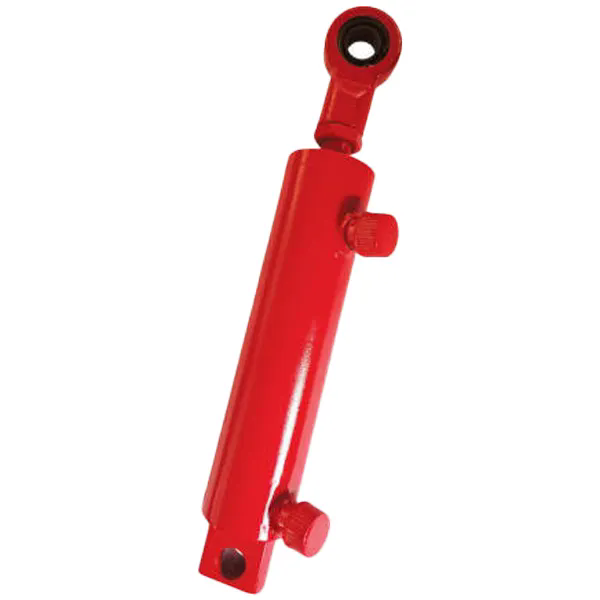
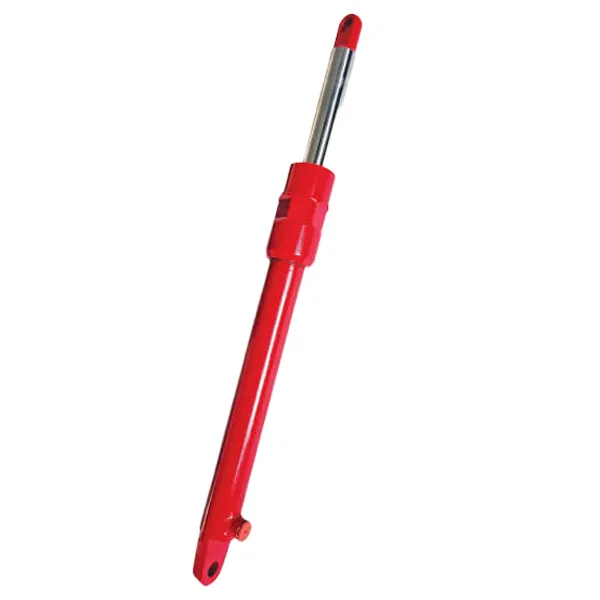
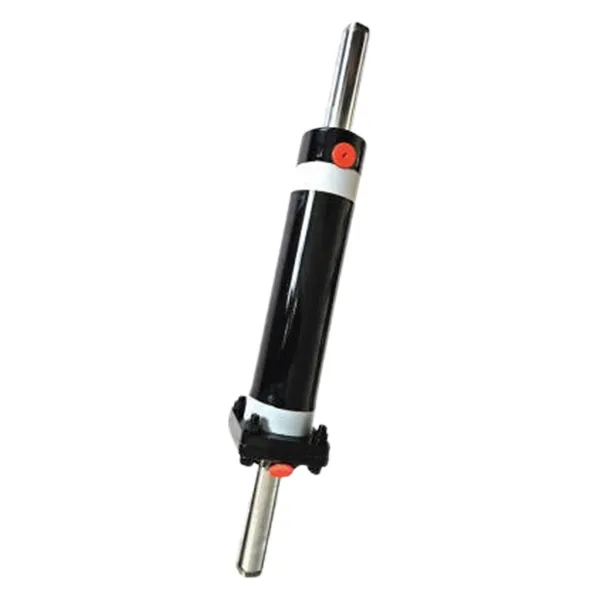
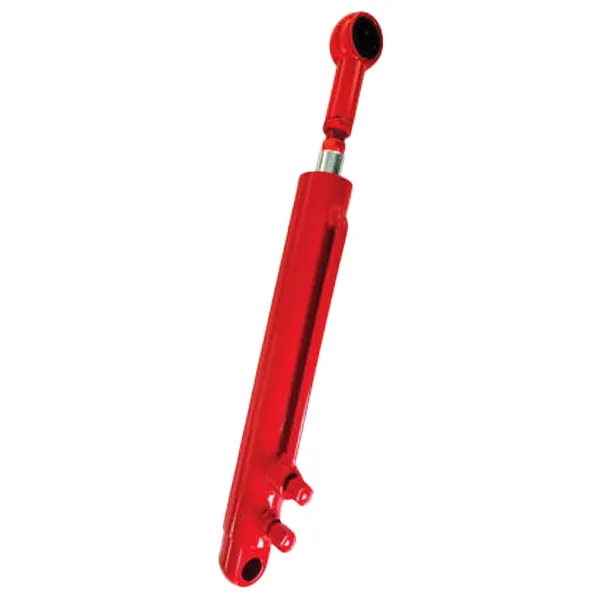
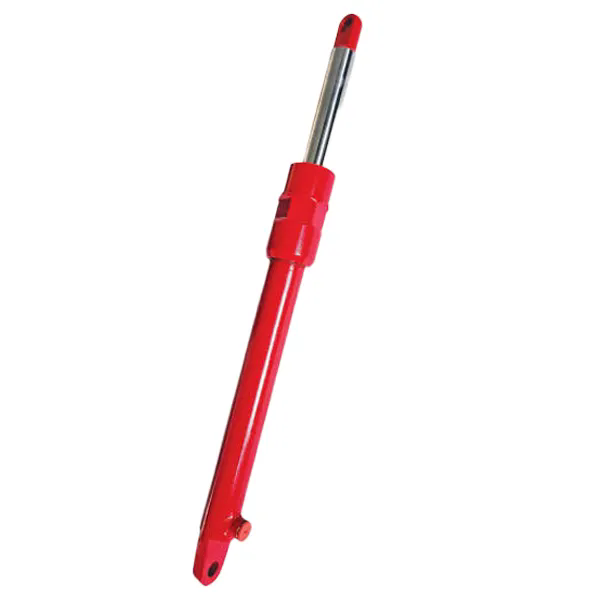
A Harvester Hydraulic Cylinder is a linear actuator that converts the energy of pressurized hydraulic fluid into controlled mechanical force and motion. In the context of a combine harvester, these cylinders are the muscles that move, adjust, and position the machine's working components. Unlike electric motors or mechanical linkages, Hydraulic Cylinder offer a unique combination of high force density, smooth motion, and precise positional control that is ideally suited to the demanding environment of agricultural harvesting. A typical combine harvester may contain anywhere from six to fifteen Hydraulic Cylinder, each performing a specific function critical to the harvesting process.
The basic operating principle of a Hydraulic Cylinder is simple yet elegant. Pressurized hydraulic fluid from the combine's pump enters one side of the cylinder, pushing the piston and attached rod in a linear direction. By controlling the flow and pressure of the fluid, the operator or the machine's electronic control system can precisely control the speed, position, and force of the cylinder. In a combine, these cylinders are used for a wide range of functions: raising and lowering the header, adjusting the reel height and fore-aft position, controlling the auger swing, operating the unloading auger, and actuating various valves and gates within the cleaning system.
The design of a Harvester Hydraulic Cylinder is optimized for the specific demands of agricultural harvesting. These cylinders must operate reliably in harsh conditions: extreme temperatures, high levels of dust and debris, and exposure to moisture and corrosive agricultural chemicals. They must also withstand the high shock loads that occur when the combine encounters uneven terrain or heavy crop conditions. At Raydafon Technology Group Co.,Limited, we have developed a line of Hydraulic Cylinder that is specifically engineered for the rigors of combine harvesting, featuring heavy-duty construction, advanced sealing systems, and high-quality materials that ensure long service life and consistent performance. Our experience in the agricultural sector has taught us that the performance of a Hydraulic Cylinder directly correlates with the efficiency of the harvesting operation.
Header control is arguably the most critical function performed by a Harvester Hydraulic Cylinder on a combine. The header is the front-mounted assembly that cuts the crop and feeds it into the threshing mechanism. Its position relative to the ground and the crop determines how much crop is harvested, how much is lost, and how much foreign material (dirt, rocks) is ingested into the machine. A Hydraulic Cylinder is responsible for raising and lowering the header, and on many modern combines, a float system also uses cylinders to allow the header to follow the ground contour automatically. This is where efficiency gains are most apparent. When the header is too high, the crop is cut too high, leaving valuable grain in the field. When the header is too low, it can dig into the soil, causing excessive wear, ingesting dirt that damages the threshing components, and wasting fuel.
Imagine a combine harvesting wheat across a hilly field. The ground is uneven, with rises and dips that change constantly. If the operator must manually adjust the header height, they will inevitably be distracted, slow down, and still not achieve perfect ground-following. A Hydraulic Cylinder with a float control system, however, can automatically adjust the header height in real-time, maintaining a consistent cutting height within a few centimeters. This is a direct efficiency improvement: the combine can operate at full speed without the operator worrying about the header, and the crop loss is minimized because the cutting height is optimized. Our Harvester Hydraulic Cylinder from Raydafon is designed with low-friction seals and precision-machined components that allow smooth, responsive float control, enabling the operator to maintain maximum productivity even in challenging terrain.
Header control also affects fuel efficiency. When the header is properly positioned, the crop flows into the combine smoothly and evenly, reducing the load on the engine and the threshing mechanism. A misaligned header, on the other hand, can cause the crop to bunch up or be fed unevenly, leading to higher power consumption and reduced throughput. The smooth, controlled motion provided by a high-quality Hydraulic Cylinder ensures that the operator can dial in the perfect header position and maintain it, resulting in a more uniform crop flow and lower fuel consumption per acre. In our factory, we have observed that combines using our Hydraulic Cylinder achieve up to 5-10% better fuel efficiency compared to those with worn or low-quality cylinders, a saving that adds up significantly over the harvest season.
Behind the header, the reel is the rotating assembly that sweeps the crop into the cutter bar. The reel's position—both its height relative to the cutter bar and its fore-aft position—must be carefully adjusted to match the crop's height, density, and maturity. A reel that is too high will fail to guide the crop properly, leading to crop loss as the grain falls to the ground before being cut. A reel that is too low can push the crop down, causing it to be cut too low or, worse, causing the reel to contact the ground and damage the machine. The reel's fore-aft position is equally critical; if the reel is too far forward, it will throw the crop forward, causing it to be cut inefficiently. If it is too far back, it will miss the crop altogether.
These adjustments are precisely controlled by Harvester Hydraulic Cylinder. By using Hydraulic Cylinder for reel adjustment, the operator can make micro-adjustments on the fly, adjusting the reel's position to match the changing crop conditions. For example, in a standing crop of wheat, the reel might need to be set higher and further forward. In a lodged crop that has been flattened by wind or rain, the reel might need to be set lower and further back to lift the crop into the cutter bar. The ability to make these adjustments quickly and precisely, without leaving the cab, is a major factor in reducing harvest losses. A combine that can adjust its reel position continuously to match the crop is a combine that saves grain.
The auger, which moves the cut crop from the header to the center of the machine, is also controlled by a Hydraulic Cylinder. The auger's height and angle must be adjusted to ensure that the crop is fed evenly into the threshing mechanism. An incorrectly positioned auger can cause the crop to pile up, leading to blockages and downtime. By using a Hydraulic Cylinder for auger control, the operator can ensure that the auger is always optimally positioned, reducing the risk of blockages and maintaining a smooth, continuous crop flow. Our Harvester Hydraulic Cylinder at Raydafon is engineered to provide the smooth, precise motion needed for these critical adjustments, contributing to higher harvest efficiency and lower crop losses.
The following table illustrates the typical crop loss reduction achieved through proper reel and auger adjustment with Hydraulic Cylinder.
| Adjustment | Without Hydraulic Control | With Hydraulic Control | Loss Reduction |
| Reel Height Adjustment | Manual, infrequent adjustment | Continuous, in-cab adjustment | 2-3% reduction in header loss |
| Reel Fore-Aft Adjustment | Fixed or manual | On-the-go control | 1-2% reduction in header loss |
| Auger Height & Angle | Fixed position | Hydraulic adjustment for crop conditions | Reduced blockages, consistent feed |
The efficiency gains of a Harvester Hydraulic Cylinder are only realized if the cylinder itself is reliable. In the harsh environment of a combine harvester, a Hydraulic Cylinder is subjected to extreme conditions: high pressures (up to 200 bar or more), cyclic loading, shock loads from uneven terrain, and exposure to dust, dirt, and moisture. A cylinder that leaks, sticks, or fails prematurely will not only reduce harvesting efficiency but also cause costly downtime. This is why the design of a Hydraulic Cylinder for agricultural applications is a specialized discipline that requires careful attention to detail in every aspect of its construction.
The most critical component of any Hydraulic Cylinder is its sealing system. Seals prevent hydraulic fluid from leaking past the piston or the rod, maintaining pressure and preventing contamination. In a combine, the cylinder's seals are constantly exposed to abrasive dust and dirt, which can wear them out quickly if they are not properly designed. Our Harvester Hydraulic Cylinder features advanced sealing technology, including dual-lip seals with a wiper that scrapes dirt from the rod before it can enter the cylinder. This significantly extends the life of the seals and the cylinder. Additionally, the seals are made from materials that are resistant to the wide temperature variations and the corrosive effects of agricultural chemicals. The rod itself is hard-chrome plated to resist wear and corrosion, ensuring a long service life.
Another critical design feature is the cylinder's construction. The cylinder body must be robust enough to withstand the high internal pressures and external loads without deforming. We use high-strength steel for the cylinder tube and precision-machined components for the piston and rod. The cylinder is assembled with a focus on minimizing friction, ensuring smooth, responsive motion. The hydraulic ports are designed to allow high flow rates, enabling rapid cylinder response. A well-designed Hydraulic Cylinder not only performs better but also lasts longer, reducing the total cost of ownership. At Raydafon Technology Group Co.,Limited, we have developed a comprehensive testing program for our agricultural Hydraulic Cylinder, subjecting them to thousands of cycles under load to ensure they meet the rigorous demands of the harvest season.
The table below summarizes the key design features and their impact on reliability in the field.
| Design Feature | Description | Impact on Reliability |
| Seal System | Dual-lip seals with wiper and dirt scraper | Prevents contamination, extends seal life |
| Rod Finish | Hard-chrome plated, smooth surface | Resists wear, corrosion, and scoring |
| Cylinder Body | High-strength steel tubing | Withstands high pressure and shock loads |
| Piston Design | Precision-machined with low-friction guides | Ensures smooth motion, minimizes wear |
| Port Design | High-flow ports for rapid response | Enables fast, responsive cylinder operation |
To select the right Harvester Hydraulic Cylinder for a specific combine model and application, engineers and equipment managers must evaluate a range of technical specifications. These specifications define the cylinder's performance envelope and determine its suitability for the task. The most critical specifications are bore diameter, rod diameter, stroke length, maximum operating pressure, and load capacity. Each of these must be matched to the hydraulic system of the combine and the mechanical requirements of the implement.
The bore diameter determines the force that the Hydraulic Cylinder can generate. A larger bore diameter produces more force for a given hydraulic pressure, but it also requires more fluid flow and can be heavier. The rod diameter affects the cylinder's column strength and buckling resistance. A larger rod diameter is more resistant to bending and buckling under compressive loads. The stroke length is the maximum distance the cylinder can extend. It must be sufficient to provide the required range of motion for the implement, such as the full raise and lower range of the header. The maximum operating pressure is the highest pressure that the cylinder can safely withstand. This must be at least equal to the system pressure of the combine's hydraulic system.
The following table provides the key technical specifications for our Harvester Hydraulic Cylinder series, which are designed to meet the demands of modern combine harvesters.
| Specification | Header Lift Cylinder | Reel Adjustment Cylinder | Unloading Auger Cylinder |
| Bore Diameter (mm) | 80 | 50 | 63 |
| Rod Diameter (mm) | 45 | 28 | 35 |
| Stroke Length (mm) | 300-500 | 150-250 | 400-600 |
| Maximum Operating Pressure (bar) | 210 | 180 | 210 |
| Maximum Thrust (kN) | 105 | 35 | 65 |
| Operating Temperature Range (°C) | -20 to +80 | -20 to +80 | -20 to +80 |
| Mounting Type | Trunnion / Clevis | Clevis / Flange | Clevis / Trunnion |
Our factory at Raydafon Technology Group Co.,Limited provides a comprehensive engineering service to help customers select the optimal Hydraulic Cylinder for their specific application. We consider not only the basic specifications but also the operating environment, the duty cycle, and the compatibility with the combine's existing hydraulic system. By carefully matching the Hydraulic Cylinder to the application, we can ensure that it delivers the best possible performance and longevity, contributing to the overall harvesting efficiency of the combine.
The efficiency gains from a well-designed Harvester Hydraulic Cylinder translate directly into reduced operating costs for the farmer. These savings come from several sources: reduced fuel consumption, lower maintenance costs, less downtime, and improved crop yield. When the Hydraulic Cylinder operates smoothly and reliably, the combine can perform at its optimal speed, maximizing throughput. The precise control of the header, reel, and auger means that the crop is harvested efficiently, with minimal losses. The reduction in downtime is particularly significant during the peak harvest season, when every hour of lost production can represent a substantial loss of revenue.
Fuel consumption is one of the largest operating costs in agriculture. A combine that is operating with a worn or inefficient Hydraulic Cylinder will waste fuel. For instance, a cylinder that is sticking or slow to respond will force the operator to work at a slower pace, increasing the time spent in the field. The higher resistance from a sticking cylinder will also cause the engine to work harder, increasing fuel consumption. A high-quality Hydraulic Cylinder, by contrast, allows the machine to operate smoothly and efficiently, reducing fuel burn. Our Harvester Hydraulic Cylinder is designed to minimize internal friction and maximize efficiency, helping farmers reduce their fuel costs per acre.
Maintenance costs are another area where a quality Hydraulic Cylinder saves money. A cylinder that is prone to leakage or seal failure will require frequent repairs and component replacements, adding to the operating cost. Our Hydraulic Cylinder is built with durable components and advanced sealing technology that extends the interval between maintenance interventions. The reduced downtime and lower maintenance costs translate directly into higher profitability for the farmer. By investing in a high-quality Hydraulic Cylinder, farmers can protect their investment in their combine and ensure that they are getting the most out of their harvest season. At Raydafon Technology Group Co.,Limited, we are committed to providing Hydraulic Cylinder solutions that deliver lasting value to our agricultural customers.
The table below shows a cost comparison of operating a combine with a standard cylinder versus our optimized Harvester Hydraulic Cylinder over a typical harvest season.
| Cost Factor | Standard Cylinder | Optimized Cylinder | Seasonal Saving |
| Fuel Consumption | High | Reduced by 5-8% | $300-$500 |
| Maintenance & Repairs | Frequent seal and rod replacement | Minimal maintenance | $400-$600 |
| Downtime (hours) | 8-12 hours per season | 2-4 hours per season | $800-$1,200 (lost harvesting time) |
| Crop Loss | Higher due to poor control | Reduced by 1-2% | $500-$1,000 |
| Total Seasonal Saving | $2,000 - $3,300 |
Question 1: How often should a Harvester Hydraulic Cylinder be serviced or rebuilt?
Answer: The service interval for a Harvester Hydraulic Cylinder depends on the operating conditions and the specific application. For a cylinder used on a header lift or reel adjustment, a visual inspection for leaks and wear should be performed daily. A full rebuild, including seal replacement and cylinder inspection, is typically recommended every 1,000 to 1,500 operating hours, or at the end of each harvest season, whichever comes first. However, if you notice any signs of leakage, sticking, or reduced performance, the cylinder should be serviced immediately to prevent more extensive damage. Our factory at Raydafon Technology Group Co.,Limited provides a comprehensive rebuild service for our Hydraulic Cylinder products.
Question 2: What are the signs that a Harvester Hydraulic Cylinder needs to be replaced?
Answer: The most common signs of a failing Harvester Hydraulic Cylinder are: visible hydraulic fluid leakage around the rod or the cylinder body, difficulty moving the implement (header, reel) smoothly, unusual noises such as knocking or squealing during operation, and the implement drifting or settling when the hydraulic valve is closed. If you observe any of these symptoms, it is important to have the cylinder inspected. In many cases, the cylinder can be repaired by replacing the seals, but in severe cases of rod damage or internal wear, a complete replacement may be necessary.
Question 3: Can a Harvester Hydraulic Cylinder be repaired, or does it need to be replaced?
Answer: In most cases, a Harvester Hydraulic Cylinder can be repaired. The most common repair is the replacement of the seals, which is a standard maintenance procedure. If the cylinder rod is scratched or damaged, it may be possible to re-chrome or polish the rod. However, if the cylinder tube is worn or the piston is damaged, the cylinder may need to be replaced. It is best to have a qualified technician inspect the cylinder and determine the extent of the damage. Our factory provides a rebuild service for our Hydraulic Cylinder, which includes a full inspection and replacement of worn components.
Question 4: How can I prevent a Harvester Hydraulic Cylinder from failing prematurely?
Answer: The best way to prevent premature failure of a Harvester Hydraulic Cylinder is to follow a regular maintenance schedule. This includes daily inspections for leaks and wear, keeping the cylinder rod clean and free of dirt and debris, and ensuring that the hydraulic fluid is clean and at the correct level. It is also important to avoid overloading the cylinder or operating the combine in conditions that exceed the cylinder's specifications. Using high-quality hydraulic fluid and replacing it at the recommended intervals will also help to protect the cylinder from internal wear.
Question 5: What is the typical lead time for a custom Harvester Hydraulic Cylinder?
Answer: For standard Harvester Hydraulic Cylinder sizes and configurations, we typically maintain inventory and can ship within 24-48 hours. For custom-designed Hydraulic Cylinder with non-standard dimensions or special features, the lead time is typically 2-4 weeks, depending on the complexity of the design and the current production schedule. Our factory at Raydafon Technology Group Co.,Limited has the capability to produce custom Hydraulic Cylinder quickly and efficiently, ensuring that our customers get the right solution for their specific application.
The Harvester Hydraulic Cylinder is far more than a simple actuator; it is a key enabler of efficient, profitable combine harvesting. Through precise header control, seamless reel and auger adjustment, and robust reliability in the field, a high-quality Hydraulic Cylinder directly contributes to higher throughput, lower crop losses, and reduced operating costs. The design features that make a Harvester Hydraulic Cylinder reliable—advanced sealing, hard-chromed rods, and robust construction—are not just engineering niceties; they are essential for the demanding conditions of modern agriculture. As harvest seasons become shorter and crop yields more critical, the role of the Hydraulic Cylinder in maximizing combine efficiency will only grow in importance.
At Raydafon Technology Group Co.,Limited, we are committed to providing the agricultural industry with Hydraulic Cylinder solutions that meet the highest standards of performance and reliability. Our deep understanding of the combine harvester's working environment, combined with our advanced manufacturing capabilities, allows us to deliver products that help farmers achieve their harvest goals. Whether you are an equipment manufacturer, a combine owner, or a service technician, the Hydraulic Cylinder is a critical component that deserves careful attention. By choosing the right Hydraulic Cylinder and maintaining it properly, you can ensure that your combine operates at peak efficiency, season after season.
Contact Raydafon Technology Group Co.,Limited today to learn more about our Harvester Hydraulic Cylinder solutions and how we can help you improve your combine harvesting efficiency.
+86-574-87168065
Luotuo Industrial Area, Zhenhai District, Ningbo City, China