QR Code

Products
Contact Us


Fax
+86-574-87168065

Email

Address
Luotuo Industrial Area, Zhenhai District, Ningbo City, China


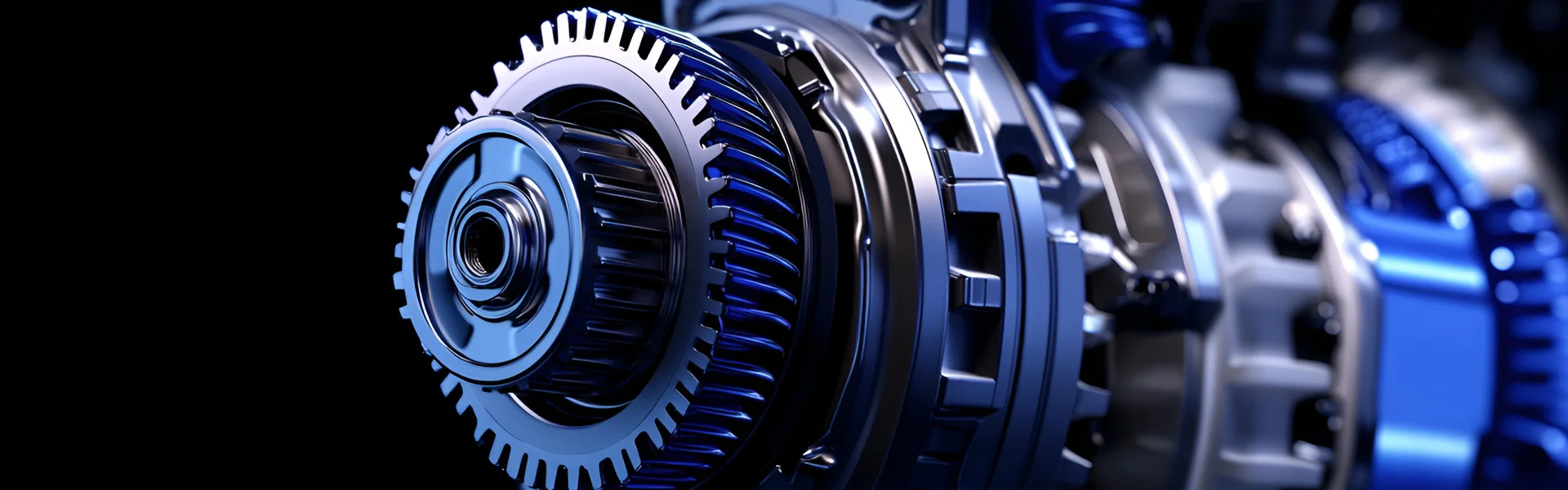
In a typical harvesting season, an agricultural hydraulic cylinder can cycle up to 20,000 times, operating under pressures exceeding 200 bar. The cylinder rod extends and retracts continuously through crop residue, soil dust, and chemical residues. Fertilizers contain ammonium salts that are highly corrosive. Pesticides often have sulfur compounds that attack metal surfaces. Moisture from morning dew and irrigation water creates the perfect environment for electrochemical corrosion. The combination of repeated mechanical cycling and constant chemical exposure makes agricultural cylinders among the most demanding hydraulic applications in any industry.
Industry data indicates that corrosion-related failures account for approximately 35% of all hydraulic cylinder replacements in agricultural equipment. The economic impact extends far beyond the cost of replacement components. A failed cylinder during peak harvesting season can take a combine harvester out of operation for 8-12 hours, representing lost revenue of $1,500-$3,000 per hour of downtime. This article provides a systematic technical analysis of why corrosion resistance is critical for agricultural hydraulic cylinders. It examines corrosion mechanisms, their impact on cylinder performance, material selection strategies, protective coating technologies, and the relationship between corrosion resistance and total cost of ownership. The analysis is based on field failure data, laboratory corrosion testing, and industry standards for agricultural hydraulic components.
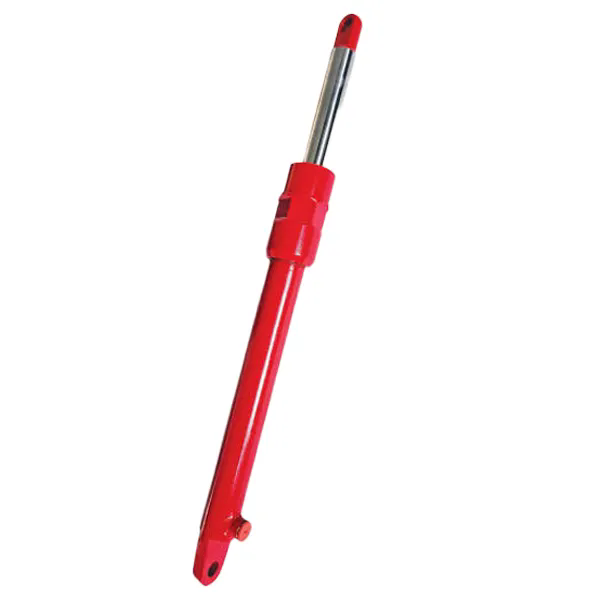
Agricultural hydraulic cylinders are exposed to a uniquely aggressive combination of environmental stressors. Unlike industrial hydraulic applications where environmental conditions are relatively controlled, agricultural equipment operates in open fields where exposure to moisture, chemicals, and abrasive materials is continuous. The following analysis identifies the primary corrosion mechanisms and the specific environmental factors that accelerate them.
Corrosion Mechanism 1: Uniform Corrosion (General Rusting). This is the most common form of corrosion on cylinder surfaces, occurring when bare steel is exposed to moisture and oxygen. The reaction rate is accelerated by the presence of electrolytes, such as the salts found in fertilizers. The corrosion product (rust) is porous and does not form a protective barrier, allowing the corrosion process to continue unchecked. In a test conducted by our factory, a standard carbon steel cylinder rod exposed to a 5% ammonium sulfate solution at 25°C showed measurable surface pitting within 72 hours.
Corrosion Mechanism 2: Pitting Corrosion. Pitting is a localized form of corrosion that creates small cavities or holes on the metal surface. It is particularly dangerous because it can penetrate deeply into the metal while the surrounding surface remains largely intact. Pitting is initiated by local breakdown of the protective oxide layer on the steel surface, often caused by chloride ions from fertilizers or pesticides. Once initiated, pits can propagate rapidly under the combined effects of mechanical stress and corrosive attack. For a harvester hydraulic cylinder operating in high-cycle conditions, a single pit can act as a stress concentration point, leading to fatigue crack initiation and eventual rod fracture.
Corrosion Mechanism 3: Stress Corrosion Cracking (SCC). SCC is the combined effect of tensile stress and a corrosive environment. It is particularly relevant for hydraulic cylinder rods, which are under continuous tensile stress during operation. SCC can propagate cracks at rates significantly faster than purely mechanical fatigue, leading to sudden and unexpected failure. Chloride ions and high pH environments are known to promote SCC in certain steel grades.
Corrosion Mechanism 4: Galvanic Corrosion. This occurs when two dissimilar metals are in electrical contact in the presence of an electrolyte. In a hydraulic cylinder, galvanic corrosion can occur between the cylinder rod (typically hardened steel) and the piston or end cap (often cast iron or aluminum). The severity depends on the electrochemical potential difference between the metals and the conductivity of the electrolyte. In agricultural environments, where equipment is frequently exposed to salt-laden fertilizers, galvanic corrosion can be a significant factor.
Field Data: Corrosion Rates in Different Agricultural Environments.
| Environment | Corrosion Rate (μm/year) | Time to 0.5mm Pit Depth | Primary Aggressor |
| Dry storage - clean | 5-10 | 50-100 years | None |
| Dry field operation | 15-25 | 20-33 years | Dust abrasion + moisture |
| Wet field (irrigated) | 40-60 | 8-12 years | Water + oxygen |
| Fertilizer application | 80-120 | 4-6 years | Ammonium salts |
| Coastal / marine influenced | 100-150 | 3-5 years | Chloride ions |
At Raydafon Technology Group Co.,Limited, we have analyzed corrosion failure data from over 500 agricultural cylinder returns over a five-year period. The data shows that the most common corrosion sites are the piston rod surface (especially in the area that remains exposed when the cylinder is retracted), the rod eye threads, and the seal grooves. Based on this analysis, we have developed a specification for corrosion resistance that addresses each of these failure zones. The specification includes material selection, surface treatment, and design modifications that minimize the risk of corrosion damage.
Corrosion is not merely a cosmetic issue; it has direct, quantifiable effects on the performance, reliability, and safety of agricultural hydraulic cylinders. The following analysis identifies the primary performance degradation mechanisms and their consequences for harvesting operations.
Performance Degradation 1: Seal Failure and Internal Leakage. Corrosion on the cylinder rod surface creates microscopic imperfections that abrade the rod seals during each extension and retraction cycle. These seal wear particles, along with corrosion products, enter the hydraulic system and cause further damage to pumps and valves. A study conducted by our factory found that a cylinder rod with surface pitting exceeding 0.05mm depth can increase seal wear rate by up to 400% compared to a smooth, corrosion-free surface. The resulting internal leakage reduces cylinder efficiency, requiring higher hydraulic pressure to achieve the same output force. This translates to increased fuel consumption and reduced power available for other hydraulic functions on the harvester.
Performance Degradation 2: Increased Friction and Sticking. Corrosion products, especially iron oxide (rust), are abrasive particles that increase friction between the piston rod and the cylinder bearing. This increased friction can cause the cylinder to stick or chatter during operation, leading to jerky motion and reduced control precision. For harvesting equipment that requires smooth, precise positioning (such as header height control), this degradation can significantly impact crop quality and harvesting efficiency. In severe cases, the increased friction can overcome the available hydraulic force, causing the cylinder to fail to extend or retract.
Performance Degradation 3: Reduced Static Strength. Corrosion reduces the load-carrying cross-section of the cylinder rod and tube. For a cylinder rod with a diameter of 50mm, a 0.5mm uniform corrosion layer represents a 2% reduction in cross-sectional area, which reduces the rod's tensile capacity by approximately 2%. However, localized pitting creates stress concentration factors (Kt) that can reduce the rod's fatigue strength by 50% or more, depending on the pit depth and geometry. This is the mechanism that leads to sudden rod fractures in harvesting equipment, often without significant prior warning.
Safety Degradation: Escape of High-Pressure Oil. When corrosion penetrates the cylinder tube wall or damages the rod seal, it creates a path for high-pressure hydraulic oil to escape. This oil jet can cause severe injury to operators if they are in the path of the spray. Additionally, oil leaks onto the field create environmental contamination issues and potential slip hazards. The industry standard for hydraulic cylinder failure is that the failure mode must be "fail-safe," meaning that the cylinder must not create a condition that could injure operators or damage adjacent equipment. Corrosion-induced failures that occur without prior warning are a clear violation of this principle.
Economic Impact: Downtime and Repair Costs.
| Failure Mode | Average Downtime | Repair Cost (Parts + Labor) | Lost Harvest Value (24-hour)** | Total Cost per Incident |
| Seal failure (corrosion-induced) | 4-6 hours | $800-$1,500 | $6,000-$12,000 | $6,800-$13,500 |
| Rod scoring (pitting) | 8-12 hours | $1,500-$3,000 | $12,000-$24,000 | $13,500-$27,000 |
| Rod fracture (SCC) | 16-24 hours | $3,000-$6,000 | $24,000-$48,000 | $27,000-$54,000 |
| Tube pinhole leak | 12-18 hours | $2,000-$4,000 | $18,000-$36,000 | $20,000-$40,000 |
** Based on a combine harvester valued at $500,000 operating for 24 hours during peak wheat harvest season.
The material selection for agricultural hydraulic cylinders must balance corrosion resistance, mechanical strength, wear resistance, and cost. There is no single material that optimizes all these factors, which is why the selection process involves trade-offs based on the specific application and operating environment. This section examines the materials used in Harvester Hydraulic Cylinder components and their corrosion resistance characteristics.
Piston Rod Materials: The piston rod is the most corrosion-critical component of the Harvester Hydraulic Cylinder because it is directly exposed to the external environment. The most common material for agricultural cylinder rods is induction-hardened and hard-chromed carbon steel (typically AISI 1045 or equivalent). This provides a good balance of strength and corrosion protection at moderate cost. The corrosion resistance of this system is primarily provided by the hard chrome plating, which has a thickness of typically 20-40μm. However, chrome plating has inherent micro-cracks that can allow corrosive attack to reach the underlying steel, leading to pitting and eventual failure.
For more demanding applications, alternative materials are available. Stainless steel grades such as 316L provide superior corrosion resistance but have lower strength and higher material cost than carbon steel. For applications where corrosion is a major concern, we often recommend stainless steel rods with a post-machining passivation treatment. A third option is the use of nickel-chrome plated rods, which provide a dual-layer protection system with improved corrosion resistance compared to standard chrome plating. The following table compares the corrosion resistance of common rod materials.
Cylinder Tube Materials: The cylinder tube is typically manufactured from cold-drawn seamless steel tube (ST52.4 or equivalent) with a honed internal surface. The tube is protected from external corrosion by paint or powder coating. Internal corrosion is generally less of a concern because the tube is constantly wetted with hydraulic oil, which provides a degree of protection. However, if the oil becomes contaminated with water (condensate from temperature fluctuations), internal corrosion can occur.
Piston and End Cap Materials: These components are typically manufactured from ductile iron (GJS 400-15) or forged steel. The corrosion resistance of these materials is less critical than the rod because they are not directly exposed to the external environment. However, corrosion in seal grooves can compromise seal integrity, leading to leakage.
Corrosion Resistance Comparison of Cylinder Materials.
| Component | Material | Corrosion Resistance Rating | Relative Cost Factor | Typical Application |
| Rod | 1045 + Hard Chrome | Moderate | 1.0 | Standard agricultural |
| Rod | 1045 + Nickel Chrome | Good | 1.2-1.3 | Wet/mildly corrosive |
| Rod | 316L Stainless Steel | Excellent | 2.5-3.0 | Corrosive environment |
| Rod | 17-4PH Stainless | Excellent | 3.5-4.5 | High strength + corrosive |
| Tube | ST52.4 + Paint | Moderate | 1.0 | Standard agricultural |
| Tube | ST52.4 + Powder Coat | Good | 1.1-1.2 | Wet environment |
| Tube | 316L (material upgrade) | Excellent | 3.0-4.0 | Severe corrosive environment |
Our factory at Raydafon maintains material specifications that define the minimum acceptable corrosion resistance for each component. For standard agricultural applications, we recommend the use of induction-hardened 1045 steel rods with hard chrome plating and a nickel underlayer. For applications where the cylinder will be exposed to fertilizer, pesticides, or saline conditions, we recommend upgrading to 316L stainless steel rods and tubes.
In addition to material selection, surface protection technologies play a critical role in the corrosion resistance of agricultural hydraulic cylinders. The effectiveness of a coating system depends on several factors: the composition of the coating, the preparation of the substrate, the application process, and the thickness of the coating. This section reviews the primary coating technologies used in the industry and presents the results of accelerated corrosion testing conducted by our factory.
Hard Chrome Plating (Electroplated Chromium). Hard chrome plating is the industry standard for hydraulic cylinder rods. The chrome layer provides excellent wear resistance, low friction, and moderate corrosion resistance. The thickness of the chrome layer is typically 20-40μm. A disadvantage of hard chrome plating is the inherent porosity of the chromium deposit. The micro-cracks in the chrome layer can allow moisture to reach the steel substrate, leading to localized corrosion at the cracks. To mitigate this, some manufacturers apply a nickel underlayer before the chrome layer, which provides a corrosion barrier. The combination of nickel-chrome plating provides significantly better corrosion resistance than chrome alone.
Nickel Plating (Electroless Nickel). Electroless nickel plating is a chemical deposition process that produces a uniform, hard, and corrosion-resistant coating. The nickel coating is non-porous and provides excellent protection against corrosion. Electroless nickel is often applied to components that require high corrosion resistance but are not subject to severe wear. The coating thickness is typically 10-25μm. For the harvester hydraulic cylinder, electroless nickel is sometimes used on the rod surface of high-end units.
Thermal Spray Coatings (Ceramic, Carbide, Metal). Thermal spray processes, such as HVOF (High Velocity Oxy-Fuel), deposit coatings by propelling molten or semi-molten particles onto the substrate. Tungsten carbide coatings provide excellent wear resistance and good corrosion resistance when properly sealed. Ceramic coatings (chromium oxide, aluminum oxide) provide exceptional corrosion resistance and hardness, but may be more brittle than metallic coatings.
Paint and Powder Coating Systems. For the exterior surfaces of the cylinder tube and end caps, paint and powder coating systems provide the primary corrosion protection. The coating system typically consists of a primer, an intermediate layer, and a topcoat. The primer provides adhesion and initial corrosion protection, the intermediate layer provides thickness and barrier properties, and the topcoat provides UV resistance and aesthetic appearance. The total coating thickness for agricultural cylinders is typically 80-120μm.
The table below summarizes the corrosion resistance test results for different coating systems, based on salt spray testing (ASTM B117) and cyclic corrosion testing (ISO 11997).
| Coating System | Application Method | Thickness (μm) | Salt Spray Test (hours to first rust) | Cyclic Test (weeks to failure) |
| Hard Chrome (20μm) | Electroplating | 20-25 | 200-300 | 4-6 |
| Nickel-Chrome (10μm Ni + 25μm Cr) | Electroplating | 35-40 | 500-700 | 8-12 |
| Electroless Nickel (25μm) | Chemical deposition | 22-28 | 600-800 | 10-14 |
| HVOF WC-12Co (20μm) | Thermal spray | 18-22 | 800-1000 | 12-18 |
| Paint System (primer+topcoat) | Spray application | 80-120 | 400-600 | 8-12 |
| Powder Coating (epoxy/polyester) | Electrostatic spray + curing | 60-100 | 500-700 | 10-14 |
Based on these test results and field performance data, our factory has developed a standard coating specification for the harvester hydraulic cylinder. For the rod, we recommend a nickel-chrome plating system with a nickel underlayer thickness of 10-12μm and a chrome top layer of 25-30μm. For the exterior surfaces, we recommend a three-layer paint system (zinc-rich primer, epoxy intermediate, and polyurethane topcoat) with a total thickness of 100-120μm. This specification provides an optimum balance between corrosion protection and cost, and we have documented field service life exceeding 5,000 hours with this system.
The decision to invest in enhanced corrosion resistance for agricultural hydraulic cylinders is fundamentally an economic one. While higher-specification materials and coating systems have higher initial costs, they can reduce the total cost of ownership over the equipment's life cycle. This section presents a methodology for evaluating the economic impact of corrosion resistance and provides a quantitative analysis based on real-world operating conditions.
Total Cost of Ownership Model: The TCO for a hydraulic cylinder includes the initial purchase cost, the cost of preventive maintenance, the cost of repair parts, the cost of labor for repairs, and the economic impact of downtime. Corrosion resistance affects each of these cost elements. A cylinder with poor corrosion resistance will have higher maintenance costs, more frequent repairs, shorter service life, and more downtime than a cylinder with enhanced corrosion protection. The TCO analysis should also account for the indirect costs associated with field failures, such as crop damage due to equipment breakdown, and safety incidents.
Economic Analysis of Corrosion Resistance Investment: We conducted a TCO analysis for three harvester hydraulic cylinder configurations used on a 300 HP combine harvester operating in a typical Midwest US agricultural environment. The configurations were: (a) standard corrosion protection (1045 rod + hard chrome; standard paint); (b) enhanced corrosion protection (1045 rod + nickel-chrome; powder coat); and (c) maximum corrosion protection (316L rod + electroless nickel; premium paint system).
The analysis was conducted over a 10-year equipment life cycle, assuming 500 hours of operation per year (2,500 hours per season, with 5 seasons representing typical combine harvester life before replacement). The cost of downtime was estimated at $1,500 per hour based on average operating costs for a 300HP combine.
| Cost Element | Standard Protection | Enhanced Protection | Maximum Protection |
| Initial Cylinder Cost | $4,500 | $6,200 | $9,800 |
| Expected Service Life (hours) | 2,000 | 4,000 | 8,000 |
| Number of Replacements (10 years) | 5 | 2.5 | 1.25 |
| Replacement Cost (total) | $22,500 | $15,500 | $12,250 |
| Labor Cost for Replacements | $7,500 | $4,000 | $2,000 |
| Downtime Cost (per failure) | $6,000 | $6,000 | $6,000 |
| Total Downtime Cost (10 years) | $30,000 | $15,000 | $7,500 |
| Total Cost of Ownership | $60,000 | $34,500 | $21,750 |
| Savings vs. Standard | — | $25,500 | $38,250 |
The analysis demonstrates that investing in enhanced corrosion protection yields a significant economic return. The maximum protection cylinder, despite having more than double the initial cost of the standard cylinder, reduced the TCO by $38,250 over the 10-year period. The enhanced protection cylinder provided a $25,500 reduction in TCO. These savings are achieved primarily through fewer replacements and reduced downtime costs. At Raydafon Technology Group Co.,Limited, we provide our customers with TCO analyses for their specific applications to help them make informed procurement decisions.
Question 1: How can I tell if corrosion is starting to affect my cylinder before it fails?
Answer: There are several visual and performance indicators of corrosion onset. On the piston rod, look for the following signs: the presence of rust-colored streaking or staining on the rod surface when the cylinder is retracted; visible pitting, which will feel rough to the touch and may be visible as small dark spots; and decreased smoothness of the rod surface, which can be felt by sliding a fingernail across the rod. In terms of performance, you may notice increased seal leakage, which appears as oil weeping from the cylinder rod seal, increased operating noise due to higher friction, and reduced operating speed. If any of these signs are present, the cylinder should be inspected and, if necessary, serviced.
Question 2: What is the typical service life of a corrosion-resistant agricultural hydraulic cylinder?
Answer: The service life of a well-designed and manufactured agricultural hydraulic cylinder with appropriate corrosion protection is typically 3,000-5,000 hours of operation. For cylinders with enhanced corrosion protection (such as nickel-chrome rods and powder coating), the service life can be extended to 7,000-10,000 hours. These figures are based on field performance data collected by our factory and are subject to the specific operating conditions and maintenance practices of the user. Regular maintenance is essential to maximize service life.
Question 3: Can I retrofit a standard cylinder with corrosion-resistant components?
Answer: Yes, it is possible to retrofit a standard cylinder with corrosion-resistant components, but the scope of the retrofit depends on the degree of protection required. The most critical component to upgrade is the piston rod. Replacing the standard chrome rod with a nickel-chrome or stainless steel rod can significantly improve corrosion resistance. Additionally, the exterior can be repainted or powder-coated to enhance the tube's protection. However, a full retrofit can cost nearly as much as a new cylinder, so the economic justification must be assessed on a case-by-case basis. Our factory offers both complete cylinder replacement and component upgrade options.
Question 4: Are stainless steel agricultural cylinders always better than carbon steel with coatings?
Answer: Not necessarily. Stainless steel cylinders (316L or 17-4PH) offer excellent corrosion resistance and can be cost-effective in severe corrosive environments. However, they are significantly more expensive than carbon steel with protective coatings and may not be necessary for all applications. Additionally, stainless steel has a lower fatigue strength than carbon steel at comparable hardness levels, which can affect the cylinder's service life in high-cycle applications. Our recommendation is to select the material and coating system based on the specific operating environment and expected service life. We can conduct a corrosion risk assessment to guide this selection.
Question 5: What maintenance practices extend the life of agricultural hydraulic cylinders?
Answer: The following maintenance practices are effective in extending the life of agricultural hydraulic cylinders: after each operating day, wipe down the exposed rod with a clean cloth to remove corrosive residues; apply a thin film of light oil or a corrosion inhibitor to the exposed rod surface; inspect the rod surface monthly for signs of pitting or scoring; regularly inspect the cylinder tube exterior for signs of corrosion; schedule replacement of rod seals and wipers based on the manufacturer's recommendations; and implement a hydraulic oil testing program to monitor oil condition and detect contamination. These practices, combined with the use of high-quality corrosion-resistant cylinders, can significantly extend service life.
Corrosion resistance is a fundamental requirement for agricultural hydraulic cylinders that operate in the demanding environments of modern farming operations. The combination of mechanical stress, chemical exposure, and environmental moisture creates conditions that can rapidly degrade unprotected cylinders, leading to reduced performance, increased maintenance costs, and unexpected downtime during critical harvesting periods. As the analysis in this article has demonstrated, the economic impact of corrosion-related failures extends far beyond the cost of replacement parts. The total cost of ownership for corrosion-resistant cylinders is typically lower than for standard cylinders when considering the full life cycle.
The key to achieving adequate corrosion resistance lies in a combination of factors: selecting materials that are compatible with the specific operating environment, applying appropriate protective coatings, and designing the cylinder to minimize areas of vulnerability. Our factory at Raydafon Technology Group Co.,Limited has developed a comprehensive approach to corrosion resistance that addresses each of these factors, resulting in agricultural hydraulic cylinders that provide reliable service life in the most demanding applications. We continue to research and implement new corrosion protection technologies to further extend the service life of our products.
Contact Raydafon Technology Group Co.,Limited to discuss your specific corrosion resistance requirements.
+86-574-87168065
Luotuo Industrial Area, Zhenhai District, Ningbo City, China