QR Code

Products
Contact Us


Fax
+86-574-87168065

Email

Address
Luotuo Industrial Area, Zhenhai District, Ningbo City, China


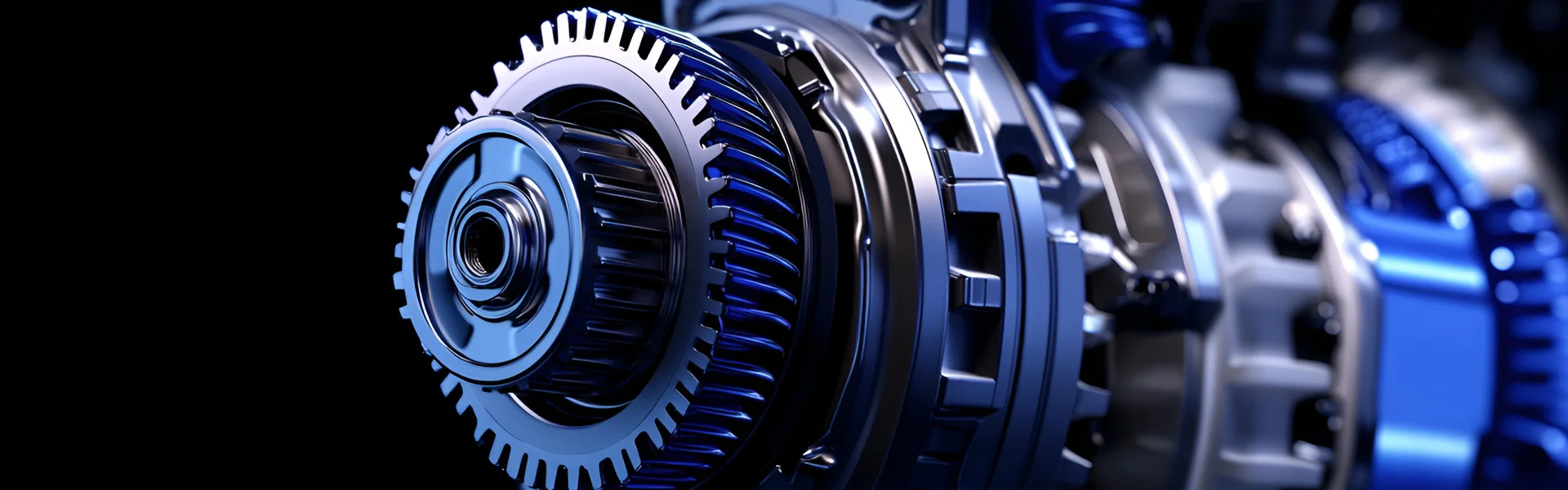
Bevel gears play a critical role in transmitting motion and torque between intersecting shafts, especially in heavy-duty industrial systems such as automotive drivetrains, mining equipment, marine propulsion, robotics, and automated machinery. When engineers evaluate performance, one core question always arises: What Affects Bevel Gear Load Capacity? The answer lies in a combination of material science, gear geometry, heat treatment, surface finishing, lubrication, and precision manufacturing standards. Load capacity is never determined by a single parameter. It is the result of a comprehensive engineering balance.
At Raydafon Technology Group Co.,Limited, we design and manufacture Precision Gear systems for demanding applications where torque stability, fatigue resistance, and long service life are non-negotiable. Our engineering team understands that load capacity directly determines reliability, operational safety, and total lifecycle cost. Through controlled production processes in our factory, advanced inspection systems, and optimized tooth geometry design, we ensure that every Precision Gear meets international standards for strength and durability. This article provides a deep technical explanation of the factors that influence bevel gear load capacity and how professional manufacturing ensures consistent performance.
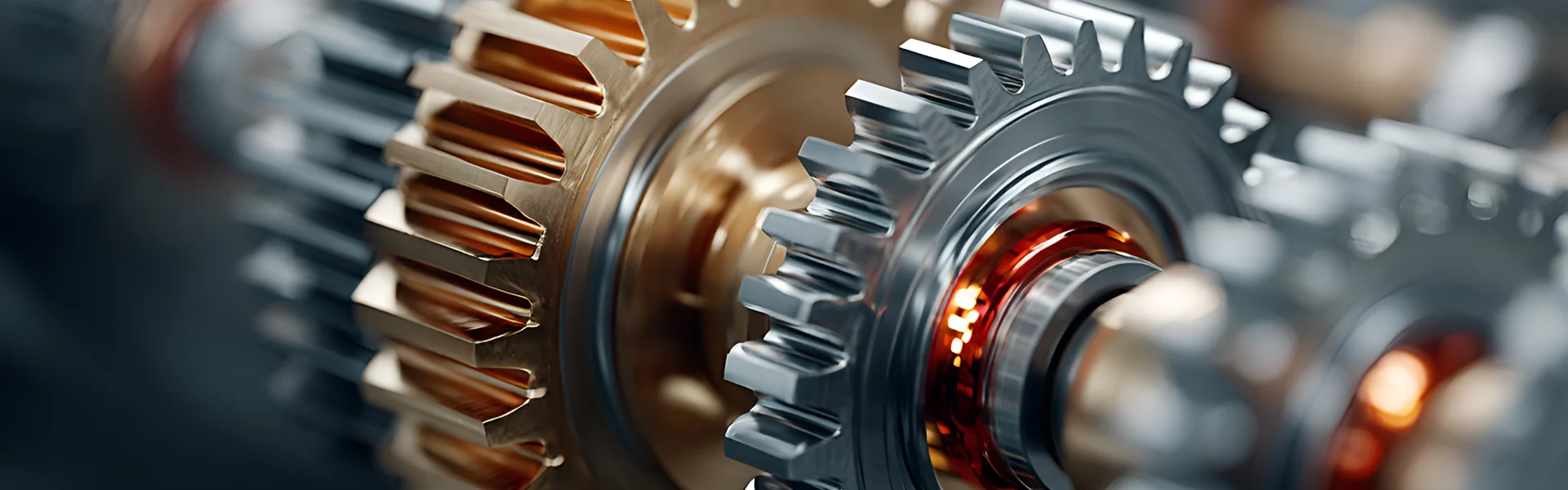
Material selection is the foundation of bevel gear load capacity. The mechanical strength, hardness profile, fatigue resistance, and impact toughness of a gear are determined primarily by its base material and subsequent heat treatment. Without proper material engineering, even the most accurate gear geometry cannot withstand high torque or cyclic stress.
In our factory, we typically manufacture Precision Gear products using the following alloy steels:
Each material provides a different balance between core toughness and surface hardness. For example:
| Material | Surface Hardness After Treatment | Core Hardness | Typical Application |
| 20CrMnTi | HRC 58-62 | HRC 30-35 | Automotive transmissions |
| 42CrMo | HRC 45-52 | HRC 35-40 | Industrial reducers |
| 18CrNiMo7-6 | HRC 60-63 | HRC 32-38 | Heavy mining machinery |
Heat treatment directly influences bending fatigue strength and surface contact strength. The main processes used in our factory include:
Carburized gears develop a hard outer layer resistant to pitting while maintaining a tough core capable of absorbing shock loads. This dual-structure design significantly enhances load capacity. Raydafon Technology Group Co.,Limited carefully controls carburizing depth, typically between 0.8 mm and 1.5 mm depending on module size.
Bevel gear load capacity is calculated according to ISO and AGMA standards. Two main failure modes are considered:
Improper material selection lowers both resistance values. Our Precision Gear solutions undergo metallographic inspection and hardness testing to verify structural consistency before shipment. Ultimately, material and heat treatment define the theoretical maximum torque a gear can carry. Without correct metallurgy, geometry and lubrication improvements cannot compensate for weak structural foundations.
While material provides strength, geometry determines how that strength is utilized. Poor load distribution across tooth surfaces dramatically reduces real-world load capacity. Even high-strength steel fails prematurely if stress concentration is excessive.
The following parameters influence bevel gear load capacity:
A larger module increases tooth thickness, improving bending strength. A wider face width distributes load across a greater contact area. However, these adjustments must align with system design constraints.
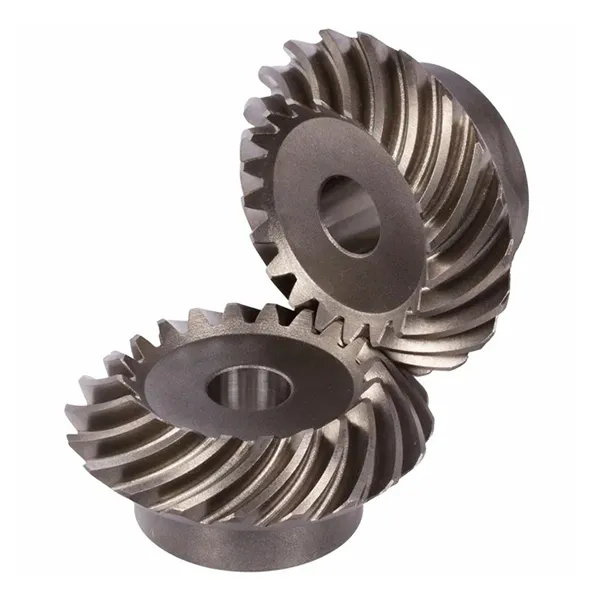
Spiral bevel gears generally offer higher load capacity compared to straight bevel gears due to gradual tooth engagement. This reduces impact load and noise. Raydafon Technology Group Co.,Limited specializes in spiral Precision Gear manufacturing for high-torque systems.
Correct tooth contact patterns prevent localized overload. Our factory uses gear contact analysis software to simulate:
Micro-geometry modifications such as crowning and lead correction help balance contact stress. This directly improves operational load capacity by preventing premature pitting.
| Parameter | Range |
| Module | 1 to 20 |
| Outer Diameter | 20 mm to 800 mm |
| Accuracy Grade | DIN 5 to DIN 8 |
| Surface Roughness | Ra 0.8 to 1.6 |
| Maximum Torque Design | Up to 50,000 Nm |
By optimizing geometry, we ensure each Precision Gear operates within safe stress limits even under peak torque.
The theoretical load capacity of a bevel gear can only be achieved if manufacturing precision is tightly controlled. Deviations in tooth profile, pitch error, runout, or surface finish reduce actual load capacity significantly.
High load capacity requires tight tolerance control. Our factory uses:
Raydafon maintains strict dimensional tolerance control to ensure consistent tooth geometry across batches.
Ground gears exhibit lower friction and better contact distribution. Precision grinding improves:
This is why our Precision Gear solutions for high-speed applications are fully ground rather than only milled.
Load performance validation includes:
Raydafon Technology Group Co.,Limited applies multi-stage inspection before shipment. This ensures that load capacity calculations translate into real operational durability. Manufacturing precision bridges the gap between design and field performance. Even premium materials cannot compensate for poor machining quality.
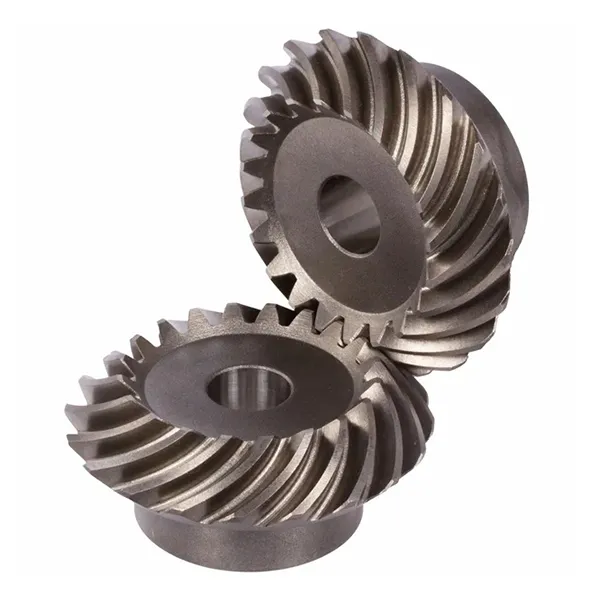
What Affects Bevel Gear Load Capacity? The answer lies in a combination of material strength, optimized geometry, controlled heat treatment, surface finishing, and strict manufacturing precision. Each factor contributes to bending fatigue resistance and surface contact durability. At Raydafon Technology Group Co.,Limited, we integrate metallurgical expertise, advanced machining technology, and rigorous inspection standards to produce high-performance Precision Gear systems tailored for industrial demands.
If you are evaluating gear suppliers for high torque applications, our engineering team is ready to support your project with technical consultation and customized production. Contact Raydafon Technology Group Co.,Limited today to discuss your requirements and receive a detailed quotation.
Q1: What Affects Bevel Gear Load Capacity the Most in Industrial Applications?
Material strength and heat treatment quality usually have the greatest influence because they determine bending fatigue and surface contact resistance. However, geometry and machining precision must match the material properties to achieve full load performance.
Q2: How Does Heat Treatment Improve Bevel Gear Load Capacity?
Heat treatment increases surface hardness while maintaining a tough core. This dual structure prevents tooth root fracture and surface pitting under repeated torque cycles.
Q3: Does Gear Accuracy Grade Impact Load Capacity?
Yes. Higher accuracy reduces stress concentration and uneven load distribution. This allows the gear to safely operate closer to its theoretical load limit without premature wear.
Q4: Why Is Spiral Bevel Gear Preferred for High Load Systems?
Spiral bevel gears engage gradually and distribute force more evenly across the tooth surface. This reduces impact stress and increases effective load capacity compared to straight bevel gears.
Q5: Can Lubrication Conditions Affect Bevel Gear Load Capacity?
Proper lubrication prevents metal-to-metal contact and reduces surface fatigue. Inadequate lubrication increases friction and heat, lowering effective load capacity and shortening service life.
+86-574-87168065
Luotuo Industrial Area, Zhenhai District, Ningbo City, China