QR Code

Products
Contact Us


Fax
+86-574-87168065

Email

Address
Luotuo Industrial Area, Zhenhai District, Ningbo City, China


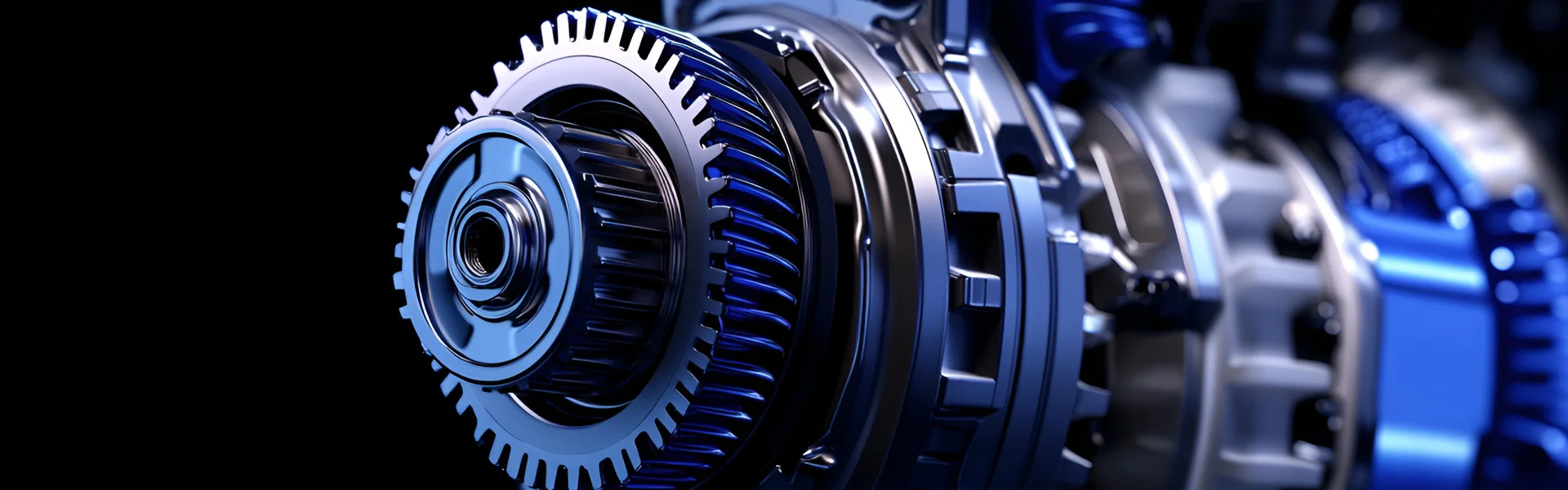
Overheating is one of the most common causes of premature failure in modern farm machinery. In high-load, long-hour agricultural operations, a single overheated transmission component can interrupt harvesting schedules, increase repair costs, and reduce overall equipment lifespan. Among all drivetrain components, the Agricultural Gearbox plays a decisive role in torque transmission, speed reduction, and mechanical stability. When temperature rises beyond the designed operating range, lubrication degrades, seals harden, and gear surfaces suffer accelerated wear.
At Raydafon Technology Group Co.,Limited, years of field data and production experience from our factory confirm that most gearbox overheating issues are not caused by design defects, but by improper maintenance routines. Our engineering team has observed that consistent preventive practices can extend gearbox service life by several seasons while maintaining stable thermal performance even under heavy-duty workloads. This article explores proven maintenance strategies that effectively prevent Agricultural Gearbox overheating, with a focus on real-world operating conditions, product parameters, and practical inspection methods.
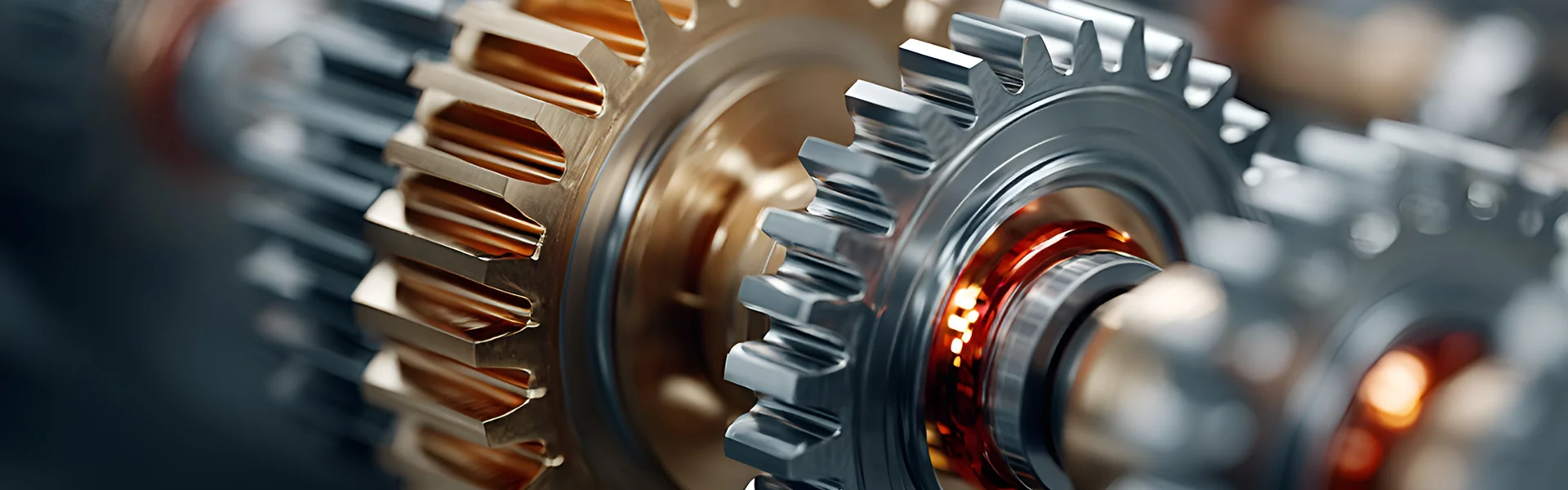
Agricultural gearbox overheating is rarely the result of a single mechanical defect. In real-world farming operations, temperature rise is usually the cumulative outcome of operating conditions, maintenance habits, and load characteristics. The Agricultural Gearbox functions as a critical power transmission component, converting rotational speed and torque from the tractor to various implements. When any part of this process becomes inefficient, excess energy is released in the form of heat.
Based on long-term production data and field feedback gathered by Raydafon Technology Group Co.,Limited, most overheating cases originate from predictable and preventable causes. Our factory analysis confirms that understanding these causes allows operators to intervene early, long before performance degradation or structural damage occurs.
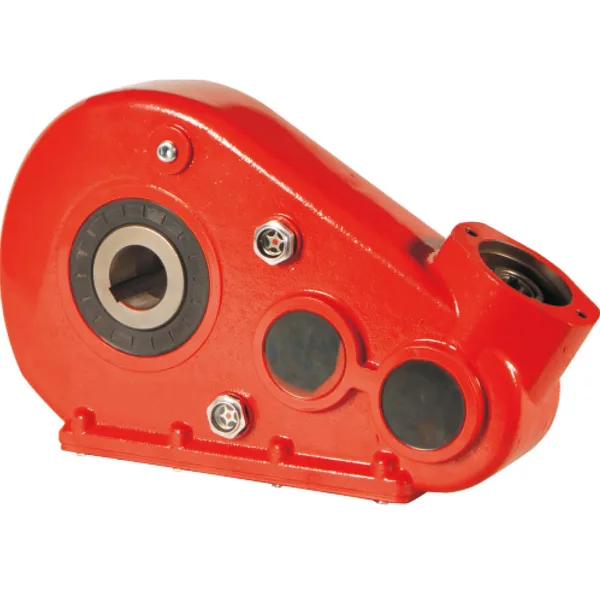
Inside an Agricultural Gearbox, heat is primarily generated through friction and resistance. Under ideal conditions, this heat is controlled by lubrication and dissipated through the housing. However, when mechanical balance is disrupted, heat accumulation accelerates rapidly.
Our factory inspection records show that even minor bearing wear can increase internal operating temperature noticeably during continuous field use. When these mechanical issues remain unaddressed, the Agricultural Gearbox operates beyond its thermal design limits.
Agricultural machinery rarely operates under constant load. Sudden torque fluctuations during plowing, harvesting, or soil preparation place extreme stress on drivetrain components. An Agricultural Gearbox exposed to repeated overload conditions generates heat faster than it can dissipate.
Raydafon has observed that overload-related overheating is especially common during peak agricultural seasons. Our factory test simulations indicate that sustained torque above rated values can elevate oil temperature by more than 20 percent within a single operating shift.
Lubrication plays a dual role in an Agricultural Gearbox by reducing friction and transferring heat. When oil condition deteriorates, both functions are compromised. Inadequate lubrication remains one of the most frequent contributors to overheating observed by Raydafon Technology Group Co.,Limited.
From our factory maintenance audits, many overheating cases stem from oil that appears sufficient in quantity but has already lost its protective properties. This highlights the importance of oil condition monitoring rather than relying solely on visual level checks.
External conditions significantly influence gearbox temperature behavior. Agricultural environments expose equipment to dust, moisture, and high ambient temperatures, all of which affect heat dissipation.
According to Raydafon Technology Group Co.,Limited, installations that restrict airflow around the Agricultural Gearbox consistently show higher surface temperatures during operation. Our factory recommends ensuring adequate clearance and clean housing surfaces to support effective thermal management.
Lubrication is the most critical factor in controlling heat generation within an Agricultural Gearbox. Proper oil management not only minimizes friction between gears and bearings but also helps carry heat away from contact surfaces to the housing for dissipation. Inadequate lubrication is one of the leading causes of overheating in field applications, as observed by Raydafon Technology Group Co.,Limited during both factory inspections and client site visits.
Our experience at Raydafon Technology Group Co.,Limited confirms that even a high-quality Agricultural Gearbox can develop heat-related issues if lubrication is not properly maintained. Factors such as oil type, viscosity, contamination, and replacement intervals directly influence internal temperature behavior and long-term performance.
| Lubricant Type | Extreme pressure (EP) gear oil |
| Viscosity Range | ISO VG 150 to 320 depending on ambient temperature and load |
| Operating Temperature Range | -20 to 110 degrees Celsius |
| Oil Change Interval | Every 500 to 800 operating hours, or sooner under heavy-duty conditions |
| Contamination Limit | Max 10 mg/kg of metallic particles, minimal water content |
Selecting the correct viscosity is essential for temperature management. Oil that is too thin fails to maintain a lubricating film, leading to increased friction and heat. Conversely, oil that is too thick increases churning losses and energy consumption, which also elevates internal temperature. At our factory, Raydafon Technology Group Co.,Limited performs extensive testing to ensure that the supplied Agricultural Gearbox operates efficiently across a range of viscosities and load conditions.
Contamination remains a major factor that accelerates overheating. Dust, water, and metal particles not only degrade oil performance but also increase abrasive wear on gears and bearings. At Raydafon Technology Group Co.,Limited, our factory maintenance audits consistently demonstrate that clean, properly filtered oil dramatically improves thermal stability, even under intensive field conditions.
Proper lubrication management also involves matching oil type and viscosity with ambient conditions. In cooler climates, lower-viscosity oil prevents excessive startup friction, while in hot environments, higher-viscosity EP oils maintain a protective film. Our team at Raydafon Technology Group Co.,Limited provides guidance to operators for selecting the correct lubricant for their specific Agricultural Gearbox model and regional operating conditions.
Even with optimal lubrication, improper gear alignment and uneven load distribution can cause localized overheating within an Agricultural Gearbox. Misaligned gears or unevenly loaded shafts generate concentrated stress points, which increase friction and heat in specific areas. Over time, these thermal hotspots accelerate wear, reduce efficiency, and can lead to catastrophic failure if left uncorrected. Raydafon Technology Group Co.,Limited has observed in both factory tests and field inspections that careful attention to alignment and load balance is critical for maintaining stable operating temperatures.
Our factory data shows that alignment errors as small as 0.05 mm in parallelism or excessive backlash can raise internal temperatures by 10 to 15 percent during continuous operation. Similarly, uneven load distribution can overstress one gear tooth row or bearing, causing localized overheating even if overall operating conditions appear normal.
| Shaft Parallelism Tolerance | Within 0.05 mm |
| Backlash Range | 0.15 to 0.35 mm depending on gear size |
| Bearing Radial Clearance | As specified in manufacturer guidelines |
| Gear Mesh Contact Pattern | Centered and evenly distributed across tooth width |
Raydafon Technology Group Co.,Limited emphasizes that proper installation of the Agricultural Gearbox is the first line of defense against heat accumulation. Even small deviations during mounting can create uneven loading, which leads to frictional hotspots. Our factory recommends checking alignment during initial installation and after every heavy-duty season.
Proper alignment and load management also improve lubrication efficiency. When gears mesh correctly and loads are balanced, oil films are maintained evenly across all contact surfaces. This prevents localized friction and allows heat to dissipate uniformly. Our engineers at Raydafon Technology Group Co.,Limited have found that even small misalignments can cause a disproportionate increase in temperature due to concentrated pressure points.
In addition, our factory experience indicates that ongoing monitoring of alignment and load conditions allows for early corrective action before overheating becomes critical. Simple visual inspections combined with infrared temperature checks or vibration analysis can identify misalignment-related thermal risks before they affect gearbox longevity.
Routine inspection and monitoring are critical components of a preventive maintenance program for Agricultural Gearbox systems. Even with proper lubrication, correct alignment, and balanced load distribution, unchecked wear or early signs of overheating can compromise gearbox performance. Our factory experience at Raydafon Technology Group Co.,Limited shows that proactive monitoring significantly reduces the risk of thermal failure and extends the service life of the Agricultural Gearbox.
Overheating rarely occurs suddenly. In most cases, temperature increases gradually due to small mechanical changes, such as bearing wear, gear surface fatigue, or oil degradation. Detecting these early warning signs through regular inspections allows operators to address issues before they escalate into expensive repairs or downtime. Our factory data confirms that structured inspection schedules improve gearbox reliability across multiple operating seasons.
By following this checklist, our operators at Raydafon Technology Group Co.,Limited prevent minor issues from evolving into major thermal problems. Routine observation also allows maintenance teams to schedule interventions at convenient times, reducing operational disruption.
Our factory experience demonstrates that combining daily inspection with advanced monitoring technologies provides the most reliable protection against overheating. Operators who log temperature trends and vibration data can pinpoint anomalies long before catastrophic failures occur. Raydafon Technology Group Co.,Limited incorporates these strategies into our factory recommendations and maintenance manuals for all Agricultural Gearbox models.
In addition, our factory at Raydafon Technology Group Co.,Limited has found that documenting inspection results improves long-term operational decision-making. Historical data helps predict when oil changes or bearing replacements are needed, and provides evidence for warranty or service claims.
Preventing Agricultural Gearbox overheating is not dependent on a single action, but on a disciplined maintenance system. Proper lubrication management, accurate alignment, controlled load distribution, and consistent inspection work together to maintain thermal stability. Field experience from Raydafon Technology Group Co.,Limited and our factory demonstrates that these practices significantly reduce downtime and extend service life.
For agricultural operators seeking reliable power transmission under demanding conditions, adopting these maintenance strategies ensures that every Agricultural Gearbox performs efficiently season after season. If you are looking to improve the reliability and thermal performance of your Agricultural Gearbox systems, our engineering team is ready to support your application needs. Raydafon Technology Group Co.,Limited provides product selection guidance, technical documentation, and manufacturing expertise from our factory to help you achieve long-term operational stability. Contact our specialists today to discuss your equipment requirements and maintenance goals.
Q1: What maintenance practice has the greatest impact on preventing gearbox overheating?
Consistent lubrication control has the highest impact, as oil quality directly influences friction, heat transfer, and component protection.
Q2: How often should gearbox temperature be checked during operation?
Temperature should be observed daily during heavy use, with trend comparison rather than relying on single measurements.
Q3: Can overloading cause overheating even with proper lubrication?
Yes, operating beyond rated torque generates excess friction and stress that lubrication alone cannot offset.
Q4: Does dust accumulation significantly affect gearbox temperature?
Yes, dust acts as thermal insulation on housing surfaces and restricts heat dissipation, leading to higher internal temperatures.
Q5: Why is alignment inspection critical after installation?
Incorrect alignment concentrates load on limited contact areas, accelerating heat buildup and premature wear.
+86-574-87168065
Luotuo Industrial Area, Zhenhai District, Ningbo City, China