QR Code

Products
Contact Us


Fax
+86-574-87168065

Email

Address
Luotuo Industrial Area, Zhenhai District, Ningbo City, China



In modern agricultural operations, efficiency, reliability, and long service life are no longer optional requirements but essential performance standards. One of the most critical yet often underestimated components influencing these outcomes is the agricultural gearbox. The way a gearbox is designed directly determines how effectively engine power is transmitted to working implements and how efficiently fuel is converted into productive output. For farmers, equipment manufacturers, and distributors, understanding this relationship helps optimize machinery selection and long-term operational costs.
At Raydafon Technology Group Co., Limited, we focus on engineering solutions that balance durability, power efficiency, and adaptability for diverse agricultural environments. Drawing on years of manufacturing expertise and continuous design optimization in our factory, we have observed that gearbox design choices influence not only torque delivery but also vibration control, thermal stability, and overall fuel consumption. This article explores how structural design, material selection, and precision engineering of an agricultural gearbox shape power transmission and fuel efficiency in real-world farming applications.
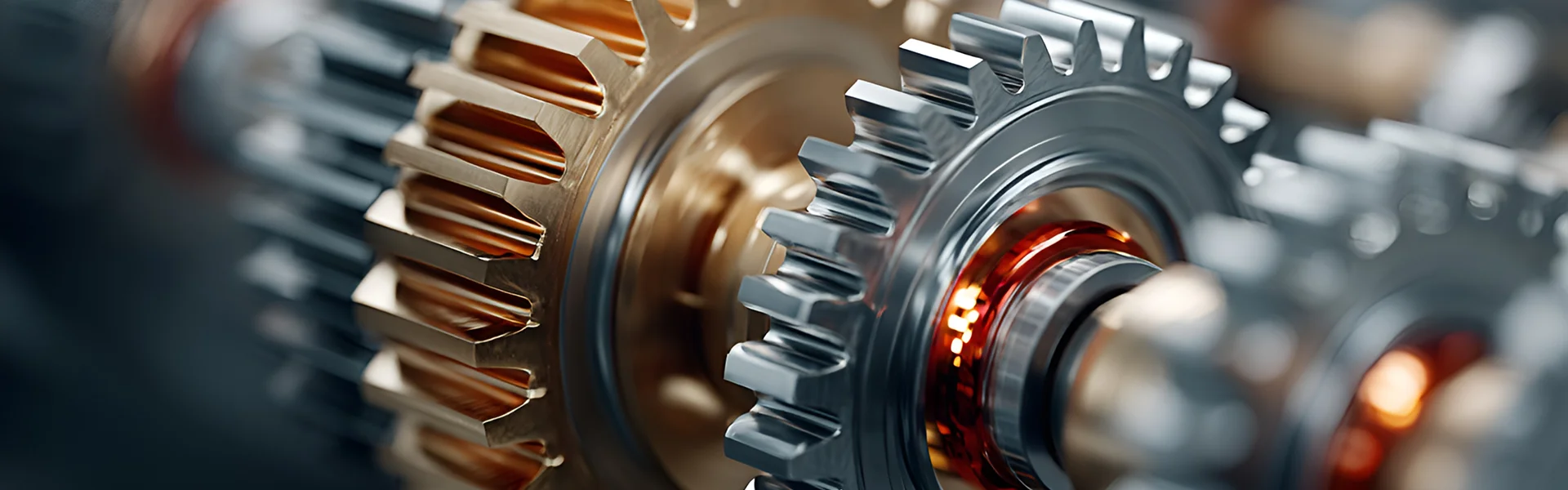
Power transmission is the primary function of an Agricultural Gearbox, and its design defines how effectively mechanical energy moves from the tractor or engine to agricultural implements such as tillers, mowers, seeders, and harvesters. A well-designed gearbox ensures minimal power loss, stable torque output, and consistent rotational speed under varying loads.
From our experience at Raydafon Technology Group Co.,Limited, power transmission efficiency starts with gear geometry. Gear tooth profile, contact ratio, and alignment accuracy determine how smoothly power flows through the system. Poorly designed gear teeth can cause uneven load distribution, leading to vibration, noise, and energy loss.
In our factory, each Agricultural Gearbox is engineered to handle fluctuating torque loads common in agricultural environments. For example, when a plow encounters dense soil, torque demand increases instantly. A properly designed gearbox absorbs this load change without sudden speed drops or mechanical shock. Another critical aspect is internal power flow layout. Straight-line power paths reduce unnecessary directional changes, minimizing friction losses. At Raydafon Technology Group Co.,Limited, our engineers evaluate internal layouts through performance simulations to ensure smooth energy transfer across gears and shafts.
| Input Power Range | 15 HP to 300 HP |
| Torque Capacity | Up to 9500 Nm |
| Gear Ratio Options | 1:1 to 1:25 |
| Transmission Efficiency | Up to 98 percent |
By combining these parameters with precise manufacturing control, our Agricultural Gearbox designs deliver consistent power output across a wide range of farming applications. This consistency directly supports operational stability, reduces wear on connected components, and contributes to predictable performance throughout the equipment lifecycle.
Fuel efficiency in agricultural machinery depends on how effectively engine power is converted into usable work. The agricultural gearbox acts as the intermediary between the engine and the implement, and its efficiency determines how much fuel energy is wasted through friction, heat, and vibration. At Raydafon, we approach gearbox design with fuel efficiency as a core objective. Even small reductions in mechanical loss can translate into significant fuel savings over long operating seasons.
Friction is one of the main contributors to fuel inefficiency. When gears are not properly aligned or surfaces are poorly finished, excess energy is converted into heat rather than useful output. In our factory, surface roughness control and gear meshing accuracy are carefully monitored to reduce frictional resistance. Lubrication design is another decisive factor. An Agricultural Gearbox with poorly designed oil flow paths may suffer from localized overheating, increasing internal resistance. Our gearbox designs include optimized lubrication systems that maintain consistent oil films across gear contacts, reducing energy loss and extending service intervals.
| Gear Surface Finish | Ra 0.8 to 1.6 |
| Lubrication Type | Splash or Forced Oil |
| Operating Temperature Range | -20 C to 120 C |
| Efficiency Loss Reduction | Up to 6 percent improvement |
By reducing internal losses, an agricultural gearbox allows the engine to operate closer to its optimal efficiency range. This means lower fuel consumption per hectare, improved productivity, and reduced operating costs. Raydafon Technology Group Co.,Limited integrates these efficiency-focused design principles to help customers achieve long-term fuel savings.
Structural integrity and material selection are fundamental to the long-term performance of an Agricultural Gearbox. Agricultural machinery operates in harsh environments involving dust, moisture, vibration, and variable loads. A gearbox must withstand these conditions while maintaining stable power transmission and efficiency. At Raydafon Technology Group Co.,Limited, material engineering is treated as a strategic design element rather than a cost consideration alone. Our factory selects materials based on load capacity, fatigue resistance, and thermal stability.
Gear materials directly affect wear resistance and efficiency retention. Hardened alloy steel gears maintain tooth profile accuracy over long operating hours, ensuring consistent power transfer. Housing materials such as high-strength cast iron or aluminum alloys provide rigidity while managing thermal expansion.
| Gear Material | Alloy Steel 20CrMnTi |
| Housing Material | Cast Iron or Aluminum Alloy |
| Surface Hardness | HRC 58 to 62 |
| Protection Level | IP54 to IP65 |
These structural and material choices ensure that the agricultural gearbox maintains efficiency and reliability even under continuous heavy-duty use. Raydafon Technology Group Co.,Limited applies strict quality control throughout production to guarantee consistent performance from batch to batch.
The design of an Agricultural Gearbox has a direct and measurable impact on both power transmission and fuel efficiency. Gear geometry, lubrication systems, structural integrity, and material selection work together to determine how effectively energy is transferred and conserved. By focusing on these design fundamentals, Raydafon Technology Group Co.,Limited delivers gearbox solutions that support stable performance, reduced fuel consumption, and long service life.
Choosing the right Agricultural Gearbox is not only about compatibility but also about long-term operational efficiency. Our commitment to precision engineering and continuous improvement ensures that our solutions meet the evolving demands of modern agriculture. For tailored Agricultural Gearbox solutions that enhance power efficiency and reduce operating costs, contact Raydafon Technology Group Co.,Limited today. Our team is ready to support your project requirements with reliable engineering, consistent quality, and responsive service to help you achieve better performance and higher returns.
Q1: How Do Agricultural Gearbox Design Impact Power Transmission and Fuel Efficiency in heavy-duty farming?
A well-designed gearbox minimizes mechanical losses, ensures stable torque delivery, and allows engines to operate efficiently under varying loads.
Q2: How Do Agricultural Gearbox Design Impact Power Transmission and Fuel Efficiency during long operating hours?
Optimized gear geometry and lubrication reduce friction and heat buildup, maintaining efficiency over extended working periods.
Q3: How Do Agricultural Gearbox Design Impact Power Transmission and Fuel Efficiency in different field conditions?
Robust structural design and precise gear ratios allow consistent performance across soft soil, hard ground, and uneven terrain.
Q4: How Do Agricultural Gearbox Design Impact Power Transmission and Fuel Efficiency for modern tractors?
Advanced designs align gearbox efficiency with modern engine output, reducing fuel waste and improving productivity.
Q5: How Do Agricultural Gearbox Design Impact Power Transmission and Fuel Efficiency over the equipment lifecycle?
Durable materials and accurate manufacturing preserve efficiency and reduce maintenance needs throughout the service life.
+86-574-87168065
Luotuo Industrial Area, Zhenhai District, Ningbo City, China