QR Code

Products
Contact Us


Fax
+86-574-87168065

Email

Address
Luotuo Industrial Area, Zhenhai District, Ningbo City, China



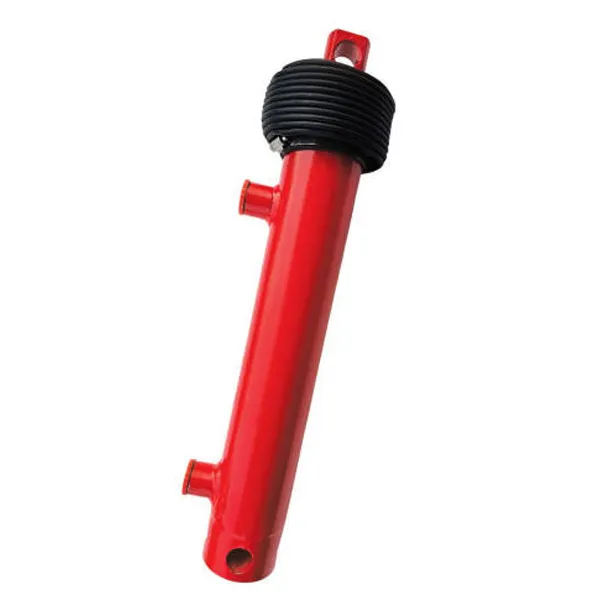
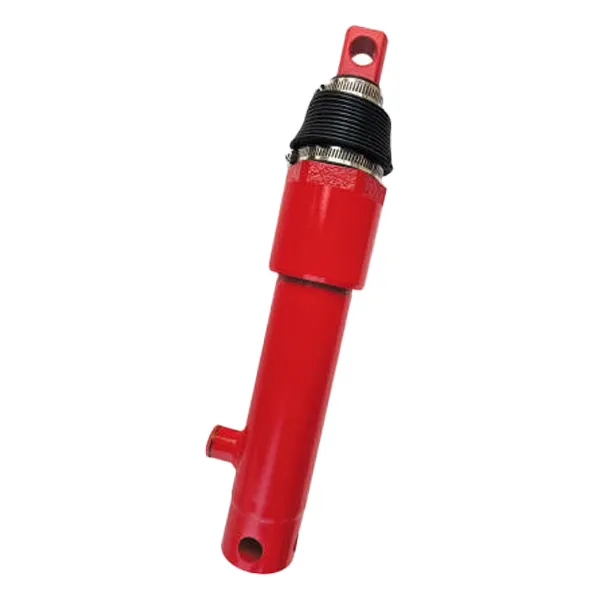
Picture a busy farm at sunrise. The tractor operator lifts the rear implement, but the movement hesitates. The steering feels heavier than normal, and the pump begins to whine. Many parts buyers immediately assume the hydraulic cylinder is worn, yet a large share of these problems starts with the fluid. So, what type of hydraulic fluid is used in tractor hydraulic cylinders? Most Tractor Hydraulic Cylinders operate well with an ISO VG 32 or ISO VG 46 anti-wear hydraulic oil, or a universal tractor transmission/hydraulic fluid (UTTO/THF) that meets the tractor manufacturer’s specification. In cold climates, ISO 32 usually improves cold-start flow. In hot regions or under continuous loader work, ISO 46 or ISO 68 may be required. The wrong fluid can lead to slow response, seal damage, cavitation, overheating, and costly pump or cylinder failure. At Raydafon Technology Group Co.,Limited, we help purchasing teams and fleet managers select replacement hydraulic cylinders that match real-world fluid conditions. This guide explains fluid selection in plain language and shows how the right cylinder and fluid combination reduces downtime.
Table of Contents
Every hydraulic cylinder is a precision assembly of barrel, piston, rod, seals, and ports. When the fluid has the wrong viscosity or additive package, it stops acting as a protective film and becomes a wear accelerator. For example, an equipment distributor in the Midwest noticed a spike in warranty claims for lift cylinders every winter. The cylinders tested within tolerance in the warehouse, but field returns showed scratched rods and swollen seals. The cause was a high-viscosity hydraulic oil that could not flow quickly enough at startup, causing cavitation and localized heat.
The practical solution is to select an anti-wear hydraulic fluid with the right ISO viscosity grade for the lowest expected startup temperature. For most tractors, ISO 32 or ISO 46 is the starting point. Additive packages should include anti-wear, anti-oxidation, and anti-foam agents. The table below shows common fluid options for tractor hydraulic cylinders.
| Fluid Type | Viscosity Grade | Typical Use Case | Key Additives | Seal Compatibility Notes |
|---|---|---|---|---|
| Mineral-based anti-wear hydraulic oil | ISO VG 32 | Cold climates, light loader work | Anti-wear, anti-rust, anti-foam | Good with nitrile and polyurethane seals |
| Mineral-based anti-wear hydraulic oil | ISO VG 46 | Temperate climates, general tractor use | Anti-wear, anti-oxidation | Good with most OEM seal materials |
| UTTO/THF fluid | Multi-grade | Shared transmission, wet brakes, hydraulic systems | Friction modifiers, anti-wear, anti-shudder | Must meet OEM wet brake/clutch requirements |
| Biodegradable synthetic ester fluid | ISO VG 32/46 | Environmentally sensitive areas | High thermal stability, low toxicity | Check compatibility with nitrile and paint coatings |
When sourcing replacement cylinders, Raydafon Technology Group Co.,Limited documents the recommended fluid range for each cylinder so buyers can avoid mismatched components from the start.
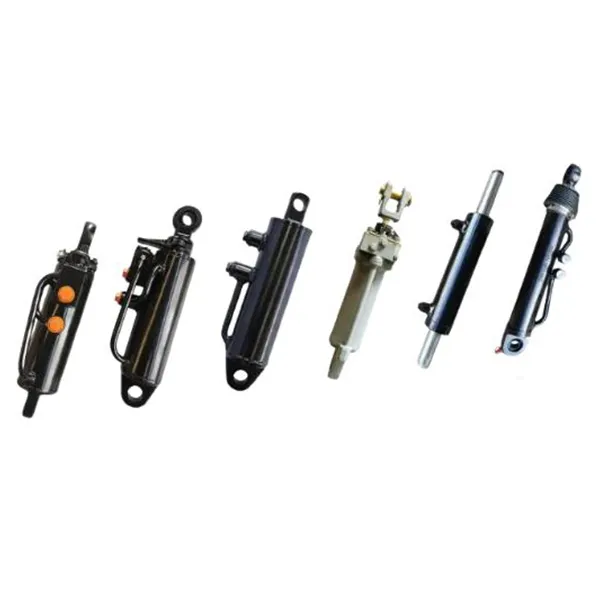
A large farm in Texas used a generic hydraulic oil in a mixed fleet of tractors. Within six months, several cylinders showed external leakage around the rod seals, and the oil turned dark with a burnt smell. The problem was not just heat. The generic oil lacked enough anti-oxidation additives and absorbed moisture, which caused internal corrosion and sludge. The seals swelled because the base oil was not matched to the elastomer compound.
For procurement teams, this is a familiar pattern: the same cylinder design fails differently in different regions because the fluid changes. The solution is to create a simple diagnostic table that links symptoms to fluid-related causes. Then it becomes easier to justify buying a higher-quality fluid or specifying a compatible cylinder from a supplier that understands application conditions.
| Symptom | What Happens Inside | Likely Fluid Cause | Corrective Action |
|---|---|---|---|
| Sluggish movement in cold weather | Pump cavitation, slow fluid flow | Viscosity too high at startup | Switch to ISO VG 32 or a multi-grade UTTO fluid |
| External rod seal leakage | Seal swelling or hardening | Incompatible base oil or additive package | Confirm OEM fluid spec and replace seals if needed |
| Foaming and noisy pump | Air entrainment, reduced lubrication | Insufficient anti-foam additive or water contamination | Drain, flush, and refill with approved anti-wear fluid |
| Dark oil with burnt smell | Oxidation and thermal breakdown | Low-quality base oil or extended drain interval | Use high-stability hydraulic oil and schedule oil analysis |
Consider two buyers from the same company: one in Alberta, Canada, and one in Arizona, USA. If they both order the same ISO 68 hydraulic oil for convenience, the Alberta tractors may suffer cold-start cavitation, while the Arizona tractors may run acceptably but still build sludge faster due to high heat. A single fluid strategy rarely works across extreme temperature ranges.
The solution is to select viscosity based on the lowest and highest expected operating temperatures, not just the average. OEM labels and service manuals usually state the recommended ISO viscosity grade or the approved fluid specification. Use the table below as a field reference, but always confirm against the tractor manufacturer’s requirements.
| Ambient Temperature Range | Recommended ISO VG | Example Fluid Type | Application Note |
|---|---|---|---|
| -20°C to 10°C (-4°F to 50°F) | ISO VG 32 | Mineral anti-wear hydraulic oil | Improves cold-start flow and reduces pump whine |
| 0°C to 30°C (32°F to 86°F) | ISO VG 46 | Mineral anti-wear or UTTO/THF | Balanced choice for most tractor hydraulic cylinders |
| 25°C to 45°C (77°F to 113°F) | ISO VG 68 | High-viscosity anti-wear oil | Use for heavy loader work or high ambient heat |
| Extreme cold or shared systems | Multi-grade UTTO/THF | Universal tractor transmission/hydraulic fluid | Must meet the OEM specification for wet brakes and clutches |
Raydafon Technology Group Co.,Limited supports buyers by providing cylinder datasheets that list the recommended fluid viscosity range, seal material, and maximum operating pressure. This helps procurement teams avoid ordering a cylinder that is mechanically correct but fluid-incompatible.
A purchasing team manages over 200 tractors across three regions. Different brands, model years, and attachments make fluid selection feel chaotic. The team often orders one mid-range hydraulic oil for all machines, which creates recurring warranty issues because ISO 46 works for some tractors but not for those operating in sub-zero conditions. The real problem is not the oil itself but the lack of a repeatable selection process.
The solution is to build a fluid selection matrix. For each tractor model, record the OEM specification, the lowest expected startup temperature, and whether the system shares fluid with the transmission or wet brakes. Then assign an approved fluid type and order only from suppliers who can provide technical documentation.
| Step | Action | Result | Responsible |
|---|---|---|---|
| 1 | List all tractor makes, models, and model years in the fleet | Clear inventory baseline | Maintenance lead |
| 2 | Pull OEM fluid specs from manuals or dealer portals | Approved viscosity and additive requirements | Procurement buyer |
| 3 | Record lowest and highest operating temperature per location | Temperature-based viscosity choice | Regional service manager |
| 4 | Mark shared transmission/wet brake systems | UTTO/THF requirement identified | Maintenance lead |
| 5 | Confirm cylinder seal compatibility with selected fluid | Reduced leakage and warranty claims | Supplier technical support |
| 6 | Create approved purchasing list and reorder trigger points | Consistent fluid quality across fleet | Procurement buyer |
Because hydraulic cylinders and fluids work as a system, Raydafon Technology Group Co.,Limited helps fleet buyers match replacement cylinders to the approved fluid and operating pressure. That reduces the risk of on-paper compatibility only.
Even with the correct fluid, a poorly manufactured replacement cylinder can fail early. A European importer learned this when a batch of low-cost steering cylinders showed rod scoring and seal leakage after only 400 hours. The cylinders were advertised as “standard,” but the rod surface finish and seal groove tolerances did not match the original design. The customer blamed the hydraulic oil first, but laboratory testing showed the fluid was within specification.
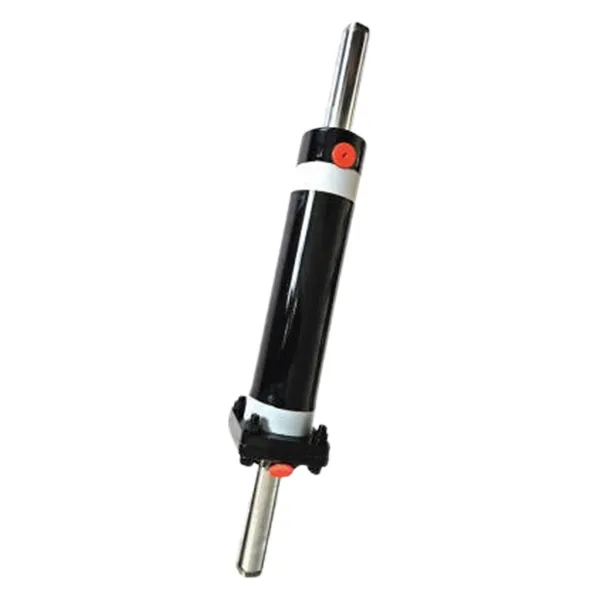
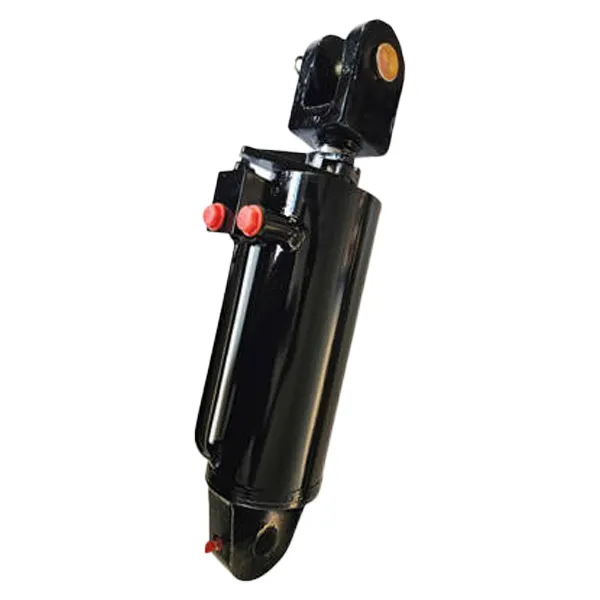
The real solution is to source cylinders from a manufacturer that controls dimensional accuracy, rod surface finish, seal compatibility, and final testing. Raydafon Technology Group Co.,Limited produces hydraulic cylinders for tractor steering, rear lifting, and front loader applications. We provide full technical parameters so buyers can verify that the cylinder will work with ISO 32, ISO 46, or approved UTTO/THF fluids.
| Product Feature | What It Means for Fluid Choice | Benefit to Buyer |
|---|---|---|
| Precision-honed cylinder tube | Stable oil film even at higher viscosity | Reduces friction and heat buildup |
| Quality rod sealing system | Compatible with mineral and UTTO/THF fluids | Lower leakage risk across different oils |
| Documented pressure and flow ratings | Confirms system operating window | Easier fluid and pump matching |
| OEM-level dimensional tolerances | Proper seal compression and alignment | Fewer warranty claims and longer service life |
Question 1: What type of hydraulic fluid is used in tractor hydraulic cylinders when the tractor also has wet brakes or a shared transmission system?
In a tractor with wet brakes or a shared transmission/hydraulic system, the cylinder generally uses the same universal tractor transmission/hydraulic fluid (UTTO/THF) recommended by the OEM. This fluid must meet the friction requirements for wet brakes and clutches while still providing anti-wear protection for hydraulic cylinders. Do not use a plain AW 32 or AW 46 oil unless the manufacturer specifically approves it, because the wrong friction modifier can cause brake chatter or clutch slippage.
Question 2: What type of hydraulic fluid is used in tractor hydraulic cylinders when cold-start performance is the main concern?
When cold-start performance is the main concern, many tractor hydraulic cylinders benefit from an ISO VG 32 anti-wear hydraulic oil or an approved multi-grade UTTO/THF fluid. ISO 32 flows better at low temperatures and can reduce cold-start pump noise and cylinder hesitation. However, if the tractor operates in very hot conditions or under continuous heavy load, ISO 32 may lose film strength and increase wear. Always check the OEM specification and monitor for any increase in internal leakage before making a fleet-wide change.
Have you experienced repeated seal failures, noisy pumps, or sluggish hydraulics across your tractor fleet? Share your operating temperature range and tractor models with us, and we will help you confirm the right fluid type and replacement cylinder combination. A small change in viscosity or seal compatibility often prevents a much larger downtime cost.
At Raydafon Technology Group Co.,Limited, we manufacture and supply precision-engineered tractor hydraulic cylinders, steering cylinders, and power transmission components for distributors and OEM customers worldwide. Our technical team helps buyers match cylinder specifications with the hydraulic fluid their application requires, reducing field failures and warranty risk. Visit https://www.transmissions-china.com for product catalogs or contact [email protected] for datasheets, fluid compatibility guidance, and bulk pricing.
Totten, G. E., Webster, G. M., & Bishop, R. J. (2002). Hydraulic Fluids: A Guide to Selection, Application, and Maintenance. Tribology International, 35(11), 721–729.
Bartz, W. J. (2006). Hydraulic Fluids: Requirements, Properties, and Testing. Journal of ASTM International, 3(6), 1–14.
Hodges, P. K. B. (1996). Hydraulic Fluids. Tribology Series, 31, 1–224.
Miller, B. A., & Fitch, J. C. (2013). Fluid Properties and Contamination Control for Hydraulic Systems. Machinery Lubrication, 9(4), 22–31.
Khonsari, M. M., & Booser, E. R. (2017). Applied Tribology: Bearing Design and Lubrication. Journal of Tribology, 139(4), 041801.
Li, S., & Black, T. A. (2014). Oxidation and Thermal Stability of Hydraulic Fluids in Agricultural Equipment. Lubrication Science, 26(3), 159–172.
Vickers, R. D., & Lam, R. C. (2015). The Effect of Hydraulic Oil Viscosity on Pump Efficiency and Cavitation in Mobile Machinery. SAE International Journal of Commercial Vehicles, 8(2), 305–312.
Barnes, M. J., & Wright, D. H. (2009). Water Contamination in Hydraulic Fluids and Its Impact on Component Life. Journal of Agricultural Engineering Research, 84(1), 45–53.
Wang, Q. J., & Chung, Y. W. (2013). Encyclopedia of Tribology. Tribology Letters, 50(2), 173–175.
Singh, T., & Agarwal, V. K. (2018). Performance Evaluation of Universal Tractor Transmission/Hydraulic Fluids for Wet Brake Applications. Industrial Lubrication and Tribology, 70(6), 1109–1118.
-
+86-574-87168065
Luotuo Industrial Area, Zhenhai District, Ningbo City, China