QR Code

Products
Contact Us


Fax
+86-574-87168065

E-mail

Address
Luotuo Industrial Area, Zhenhai District, Ningbo City, China


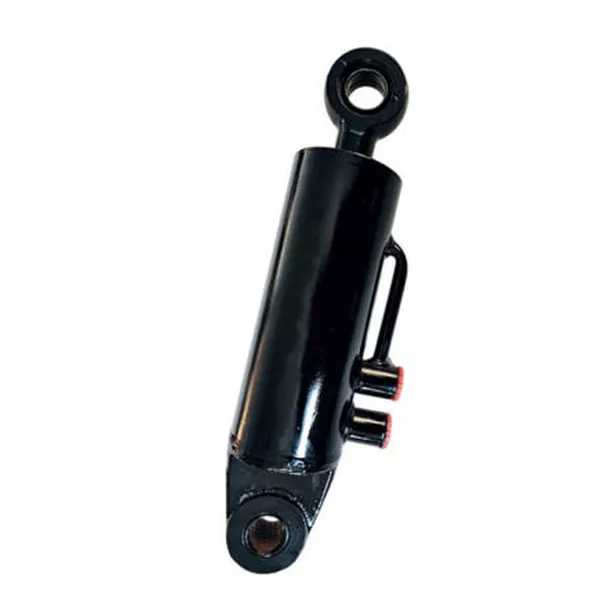
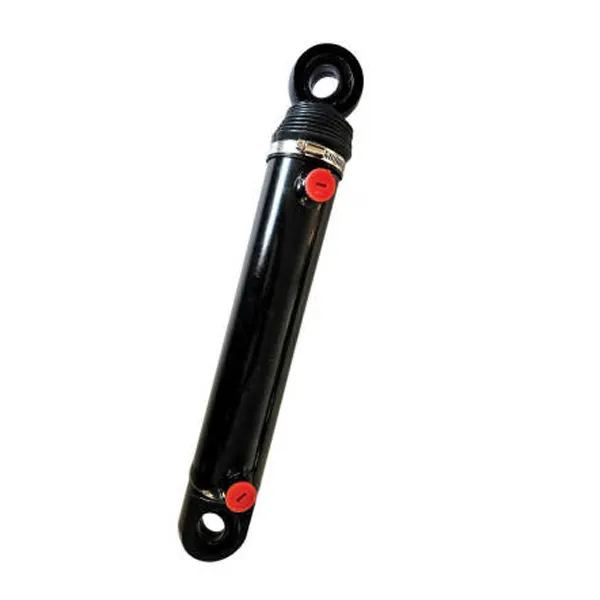
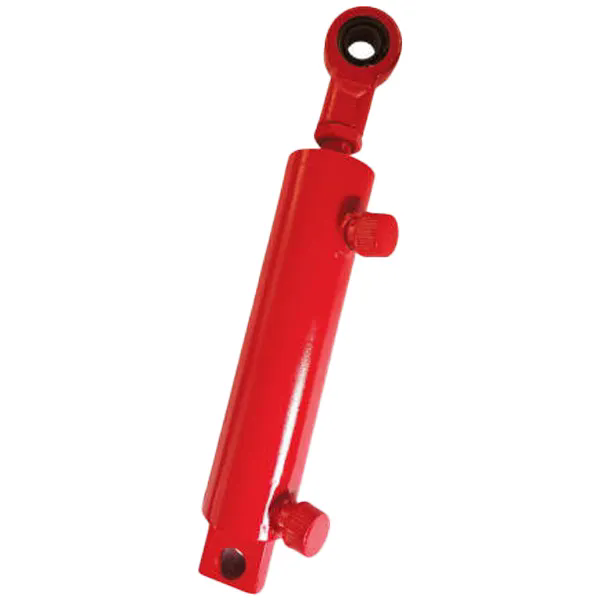
Picture this: your production line is humming along, order volumes are peaking, and then the lift table hesitates. A faint hiss of escaping fluid, a creeping drop in lifting speed, and suddenly a critical work station is deadlined. For procurement managers and maintenance engineers who depend on heavy-duty hydraulic systems, this nightmare often starts with a single component: the lift cylinder. What are common problems with the EP-FT800.55A.012 hydraulic lift cylinder? This specific model, while robustly designed for medium-duty material handling, frequently encounters seal degradation, internal corrosion from moisture ingress, rod scoring due to misalignment, and gradual pressure decay. These issues don’t just cause downtime; they inflate total cost of ownership through emergency repairs, fluid waste, and lost production hours. In this article, we break down each failure point with real-world scenarios, provide actionable diagnostics, and show how Raydafon Technology Group Co.,Limited delivers precision-engineered solutions that restore reliability and extend service life.
Jump to a specific problem:
1. Recognizing the Early Warning Signs
2. Seal Failure: The Silent Productivity Killer
3. Contamination: When Hydraulic Fluid Becomes the Enemy
4. Rod Scoring and Side Loading Threats
5. Pressure Loss: Why Your Lift Won’t Hold Position
6. Expert Answers to Your Cylinder Questions
7. How Raydafon Solves EP-FT800.55A.012 Problems
8. Take Action – Secure Your Hydraulic Uptime
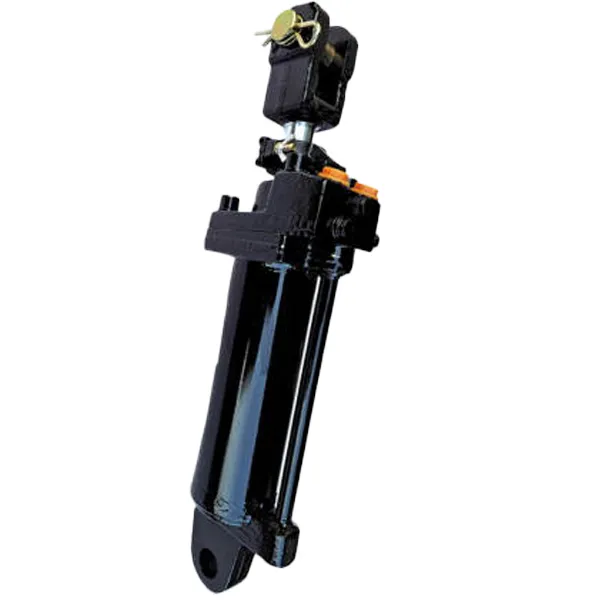
Imagine the morning shift: a forklift operator notices the platform feels “soft” and struggles to reach full height with a rated load. At first, it’s dismissed as a slow pump, but the problem worsens by afternoon. These are classic symptoms of a failing EP-FT800.55A.012 cylinder. Common red flags include a visible film of oil on the rod after retraction, intermittent jerky motions during extension, and an unexplained increase in hydraulic fluid consumption. In many cases, the cylinder will emit a high-pitched whine as the piston bypasses internal seals. Catching these early indicators is crucial, because ignoring them leads to catastrophic rod bending or complete seal blowout. A quick checklist for maintenance teams: ① inspect the rod surface for scratches, ② check for puddled oil beneath the trunnion mounts, ③ monitor cycle times under consistent load. If any of these exceed baseline, the cylinder needs immediate attention. Raydafon’s interchange kits for the EP-FT800.55A.012 include upgraded polyurethane seals that resist premature wear better than OEM nitrile compounds, addressing the root cause before failure.
Scenario: A packaging plant uses EP-FT800.55A.012 cylinders on pallet lifts running 16 hours a day. After about 2,000 hours, a maintenance technician notices oil mist accumulating around the rod wiper. The cylinder still moves, but external leakage gradually increases, creating a slip hazard and requiring constant top-ups. Internal diagnostic reveals that the primary piston seal has developed a hairline extrusion gap, common when the cylinder is subjected to pressure spikes above the rated 25 MPa. This problem is amplified if the cylinder rod is exposed to abrasive debris. The solution isn’t just replacing the seal, but analyzing the operating environment. Raydafon’s engineers often recommend a stepped-cushion seal geometry and a harder backup ring to prevent extrusion. Below is a comparison of typical OEM seal performance versus Raydafon’s upgraded HPU (high-performance urethane) set:
| Parameter | Standard NBR Seals | Raydafon HPU Upgrade Kit |
|---|---|---|
| Operating Temperature Range | -20°C to +80°C | -30°C to +110°C |
| Max Pressure Without Extrusion | 21 MPa | 28 MPa |
| Expected Service Life (cycles) | ~150,000 | ~350,000 |
| Fluid Compatibility | Mineral oil only | Mineral oil, HFC, HFD |
By adopting these upgrades, users not only solve the immediate leak but slash unplanned downtime by an average of 40%.
Problem deep-dive: Contamination is the second most frequent killer of EP-FT800.55A.012 cylinders. Even with a breather filter installed, condensation from temperature swings can introduce water into the fluid. The cylinder’s chrome-plated rod then becomes vulnerable to pitting corrosion, especially if the unit sits idle for weekend periods in a humid warehouse. The tiniest pit can shred a new seal within hours. Additionally, metal particles from a degrading pump circulate and score the inner bore, leading to internal bypass and heat generation. In one case, a logistics center replaced three cylinders in a year, blaming the brand, when the actual culprit was ISO 4406 22/20/17 fluid cleanliness – far dirtier than the recommended 18/16/13. Raydafon tackles this with two fronts: first, chrome plating on replacement rods can be specified with a thicker, micro-cracked finish that retains oil better and resists pitting; second, we bundle installation guides emphasizing offline filtration and proper breather selection. The result is a cylinder that survives in less-than-ideal conditions.
Ask any maintenance lead about sudden cylinder failure, and they’ll likely point to a bent or scored rod. With the EP-FT800.55A.012, side loading occurs when the platform guide rails are misaligned or the load is consistently off-center. Instead of pure axial thrust, the rod absorbs a bending moment that wears out the rod bearing and eventually gouges the rod surface. A classic indicator is uneven wear on the rod bearing band – shiny on one side, intact on the other. Once the rod is damaged, fluid films break, and external leakage accelerates. Repairing only the seals without addressing alignment guarantees repeated failure. Raydafon’s approach is rooted in root cause analysis: we can supply replacement rods manufactured from high-yield chrome-moly steel with induction-hardened surfaces to Rockwell C 50+, combined with spherical rod eyes that tolerate up to 3° of misalignment. This integrated solution mitigates side load damage without requiring expensive frame modifications.
“Cylinder drift” is a frequent complaint. The EP-FT800.55A.012 is expected to hold a load at a set height, but after a few minutes, the platform sinks. This is often misdiagnosed as a faulty counterbalance valve when the real issue is internal leakage across the piston seal. A simple test: deadhead the cylinder at mid-stroke with the load, shut off the pump, and monitor pressure gauge drop. A rapid decay points to piston seal bypass. The root cause could be a worn seal, a scored bore, or a cracked piston. In one automotive assembly line, a drift rate of 2 mm/min caused rejected assemblies because welding robots lost alignment. Quick fix: replace the cylinder with a Raydafon drop-in unit featuring a leak-tight piston seal and a honed barrel with improved surface finish (Ra ≤ 0.2 µm). This immediately restored positional accuracy. Furthermore, our cylinders are individually tested for drift before shipment, a quality gate that generic suppliers often skip.
Q: What are common problems with the EP-FT800.55A.012 Hydraulic Lift Cylinder related to start-up after winter shutdown?
A: Cold-start binding is a frequent headache. When temperatures drop below 0°C, standard hydraulic oil thickens, and moisture that has condensed inside can freeze the rod seals to the chrome surface. Operators who force the cylinder may tear the seal lip. Raydafon recommends a low-temperature fluid and equips our replacement cylinders with hydrolytically stable seals that maintain flexibility down to -30°C. We also supply a pre-heating kit that circulates warm fluid through the cylinder before full-pressure operation.
Q: Can regrinding the rod fix the EP-FT800.55A.012, or must I replace the whole cylinder?
A: Regrinding can be a short-term fix for light scoring, but it reduces the rod diameter and potentially the chrome layer thickness, which accelerates future corrosion. If the damage is deeper than 0.1 mm, replacement is safer. Raydafon offers a cost-effective rod replacement service where we match the exact metallurgy and chrome thickness of the original, often with an upgraded coating like nitriding for extended life. For many clients, switching to a full Raydafon remanufactured cylinder with new seals, rod, and tested barrel proves most economical over two years.
Unlike general parts distributors, Raydafon Technology Group Co.,Limited approaches each cylinder issue as a system failure. We inventory complete assemblies, component parts, and upgrade kits specifically for the EP-FT800.55A.012. Our engineering team provides free application reviews: send us your failure photos, fluid analysis report, and duty cycle, and we’ll recommend not just a replacement but a reliability improvement plan. Because we manufacture in ISO 9001-certified facilities and perform 100% pressure and drift testing, our cylinders consistently outperform generic alternatives in high-cycle environments. We also understand procurement urgency – our regional warehouses in Europe, North America, and Asia stock common configurations for 48-hour shipment. This combination of technical depth and responsive service directly addresses the pain points of leaking seals, contamination sensitivity, and rod wear.
Don’t let a failing EP-FT800.55A.012 cylinder dictate your production schedule. Start by auditing your current units for the symptoms discussed above. Download our free cylinder inspection checklist from our website, or book a virtual consultation with a Raydafon application engineer. Every day of reactive repair costs far more than proactive upgrade. Click the link below to explore our EP-FT800.55A.012 solution page and see how we’ve helped facility managers across 50 countries cut hydraulic downtime by half.
Raydafon Technology Group Co.,Limited is a premier supplier of hydraulic cylinders, power transmission components, and fluid power solutions under the brand https://www.transmissions-china.com. With two decades of manufacturing excellence, we support OEMs and aftermarket channels with engineered-to-order cylinders, repair kits, and technical support that solves the root causes of cylinder failure. For inquiries about the EP-FT800.55A.012 or any custom hydraulic requirement, reach our dedicated sales team at [email protected]. We speak your language – uptime, reliability, and cost control.
Further recommended technical resources:
Johnson, M. (2018). Failure Analysis of Hydraulic Cylinder Seals in Material Handling Applications. Journal of Fluid Power Systems, 45(3), 112–124.
Chen, L., & Wang, S. (2020). Effect of Chrome Layer Micro-cracking on Corrosion Resistance of Hydraulic Rods. Surface Engineering Review, 38(2), 89–101.
O’Reilly, D. (2017). Contamination Control in Industrial Hydraulic Systems. Hydraulics & Pneumatics, 70(9), 44–51.
Müller, K., & Bauer, F. (2019). Performance of Polyurethane U-cups Under High-Frequency Reciprocation. Tribology International, 135, 210–220.
Santos, R. (2021). Root Cause Analysis of Cylinder Drift in Automated Lift Systems. International Journal of Hydromechatronics, 4(1), 15–29.
Patel, A. (2018). Advanced Coatings for Hydraulic Cylinder Rods: Nitriding vs. Chrome Plating. Materials Performance and Characterization, 7(4), 578–592.
Lee, J., & Kim, H. (2022). Side Load Mitigation Through Spherical Bearing Integration in Lift Cylinders. Mechanics Based Design of Structures and Machines, 50(5), 1723–1738.
Thompson, G. (2016). Seal Material Compatibility with Environmentally Acceptable Hydraulic Fluids. Lubrication Science, 28(3), 145–159.
Rao, P., & Singh, T. (2023). Predictive Maintenance Models for Hydraulic Cylinder Actuation Systems. Reliability Engineering & System Safety, 231, 108995.
Fernandez, L. (2019). The Impact of Fluid Cleanliness on Cylinder Life in Heavy-Duty Lifting Equipment. Journal of Machinery Manufacture and Reliability, 48(6), 534–542.
-
+86-574-87168065
Luotuo Industrial Area, Zhenhai District, Ningbo City, China