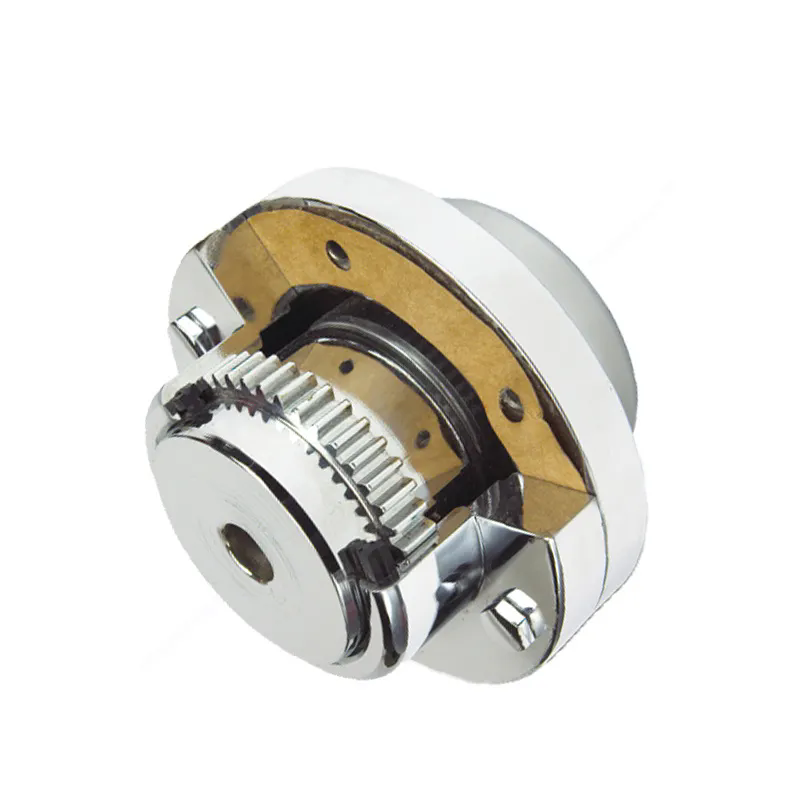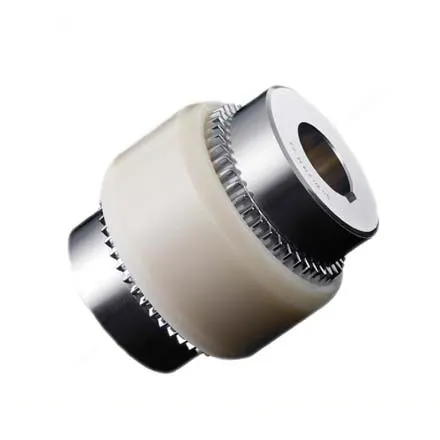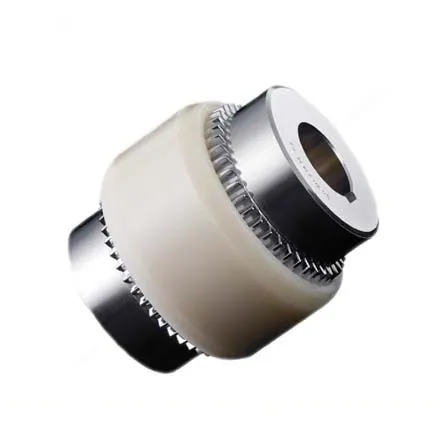
Ring Gears are essential components in mechanical transmissions and are widely used in various rotating equipment, such as reducers, gearboxes, and cranes. Their primary function is to convert the rotational direction and speed of the input shaft to that of the output shaft, thereby transmitting power. Different types of ring gears have different characteristics, and different materials are required to ensure optimal transmission performance in different environments and requirements. Let's learn about the different materials available for Ring Gears with Raydafon.
Spur Gears and Helical Gears are common gear types in mechanical transmissions. Spur gears have straight tooth profiles, with tooth flanks parallel to the gear axis. During meshing, the tooth flanks of the two gears make direct contact. Helical gears have a star-shaped helix tooth profile, with the tooth flanks forming a certain inclination angle with the gear axis. During meshing, the tooth flanks of the two gears make gradual contact. This structural difference directly leads to different transmission characteristics. Raydafon offers both Spur Gears and Helical Gears in different sizes. Welcome to purchase them.
Worm Gears and Worm Shafts are classic mechanical transmission components, often used to connect and transmit motion and power between two intersecting shafts. Their operating principle is quite similar to that of rack and pinion gears and screws: the meshing of the worm gear and worm shaft achieves smooth transmission between the intersecting shafts. Next, Raydafon will introduce you to the basic characteristics of worm gears and worm shafts.
When two main shafts are non-parallel, the gear transmission between them is called an intersecting axis gear transmission, or bevel gear transmission. Bevel gears are transmission components designed specifically for transmission between intersecting shafts. Their tooth lengths and shapes vary, including spur, helical, and arc-shaped. Straight bevel gears have attracted considerable attention due to their wide range of applications. Although helical bevel gears were once less popular due to machining difficulties, they are now being gradually replaced by spiral bevel gears. Although spiral bevel gears require specialized machine tools, they offer smooth transmission and high load capacity, making them widely used in applications such as automobiles, tractors, and coal mining machinery.
Precision gear, an indispensable component in everyday life and industry, is widely used in a wide range of applications, including aviation, cargo ships, and automobiles. However, when designing and manufacturing gears, certain tooth counts are required. Some have suggested that gears with fewer than 17 teeth will not rotate. However, this is not accurate. What exactly causes this discrepancy?
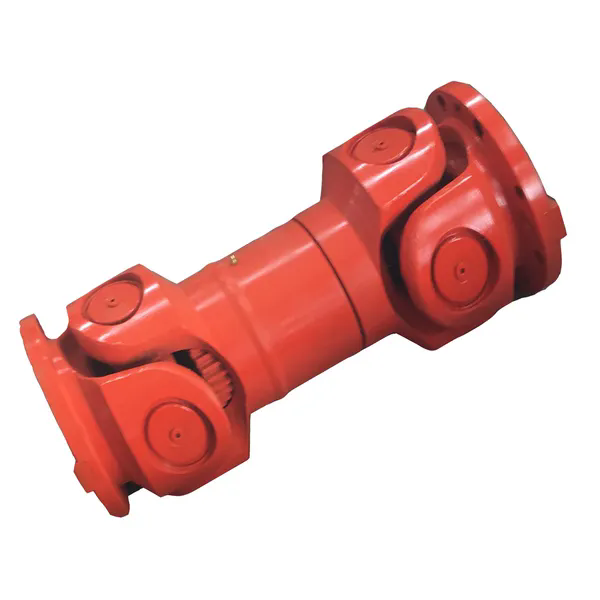
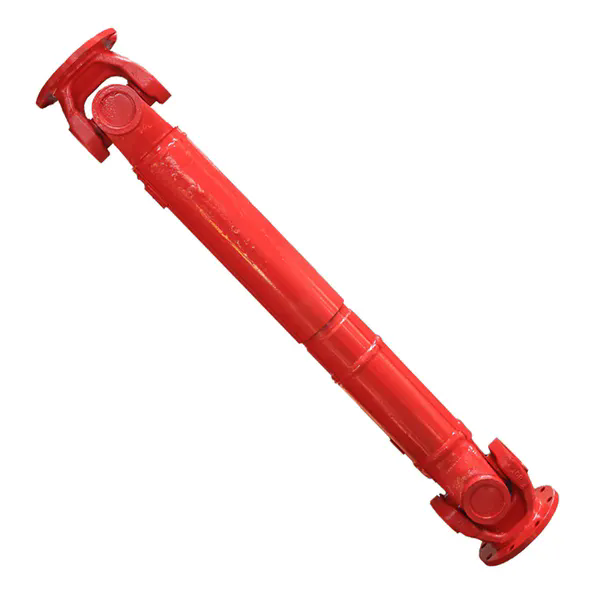
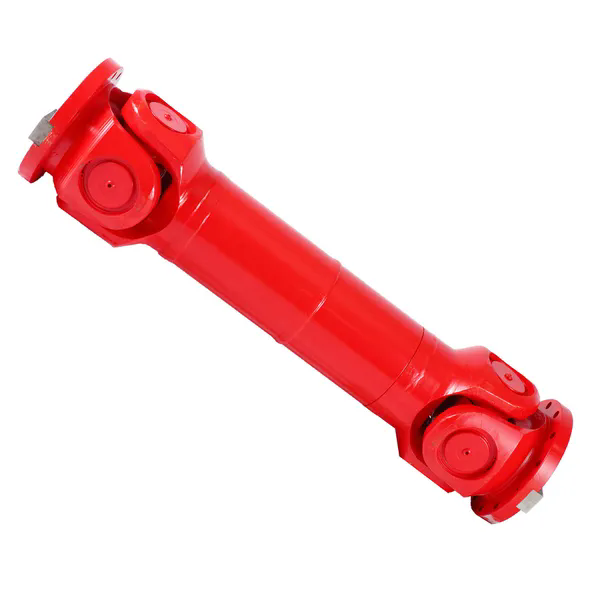
When the PTO shaft deteriorates, its bending vibration intensifies, causing driveshaft oscillation and even vehicle body oscillation, accompanied by periodic noise. This phenomenon becomes more pronounced as vehicle speed increases. While the vehicle is moving, the intense periodic vibrations generated by the drivetrain are noticeable, with variations in performance during acceleration and coasting. However, when the vehicle is stopped and the engine is running at various speeds, this vibration disappears.
We use cookies to offer you a better browsing experience, analyze site traffic and personalize content. By using this site, you agree to our use of cookies.
Privacy Policy